


Human DNA can survive for thousands of years on the walls of prehistoric caves, even where no human bones or other biological remains have been found, according to an international research project
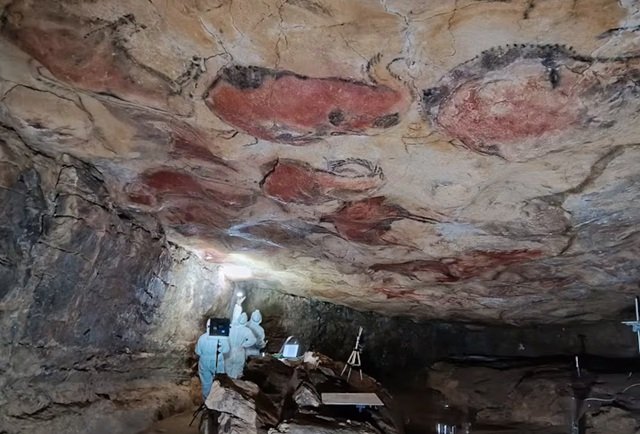
Human DNA can survive for thousands of years on the walls of prehistoric caves, even where no human bones or other biological remains have been found, according to an international research project

This interview traces Professor Jayadeva Uyangoda’s journey from JVP revolutionary to political scientist, examining his early experiences of poverty, caste and inequality, his role in the 1971 uprising, imprisonment at Welikada, and the intellectual transformation that followed. Reflecting on the
A remarkable archaeological discovery in Austria is forcing a reassessment of the scale of Iron Age iron production and trade in Central Europe. The
Millions of people are being taught to search for their “purpose” as if it were a hidden object waiting to be discovered inside themselves.

by Luxman Lixing Sun’s On the Origin of Sex sets itself an ambitious task: to explain one of evolutionary biology’s most persistent puzzles – why sexual reproduction exists at all. The question
More
Archaeologists have uncovered compelling evidence that the first humans to inhabit the High Arctic were not merely surviving at the edge of the world, but actively transforming it. Newly discovered archaeological sites
More
Imagine that you notice an unfamiliar male face out of the corner of your eye. You turn to look at it, but it turns out that you perceived a face-like visual cue—a
More The long American century is over. Across the world, affiliations and institutions staked in blood and soil, faith-based (as opposed to empirically based) ways of knowing, and personalized, autocratic power are all
More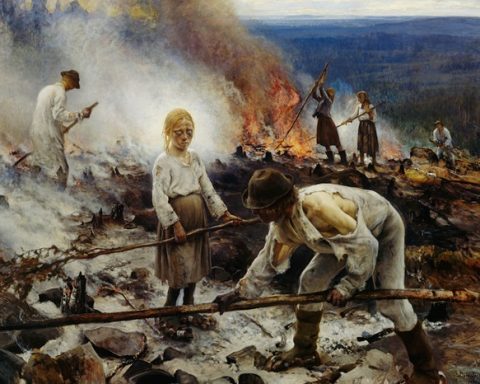
Summary: In this provocative essay, Martina Moneke argues that the scientific name Homo sapiens no longer reflects the reality of human behavior. Despite our intelligence, humanity has repeatedly demonstrated arrogance and ethical blindness—systematically misrepresenting
More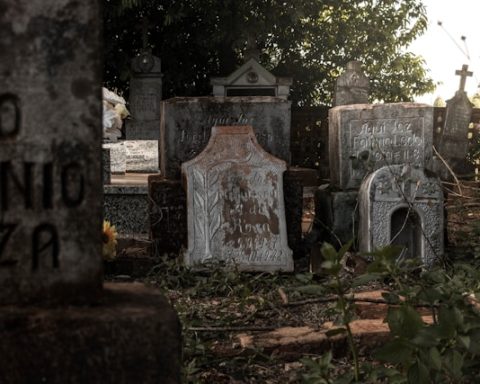
Note by Caren Martineau: Having explored the implications of America’s aging demographic in my introductory article, I wanted to follow up with a piece that continues to provide information, clarity, and encouragement in support
More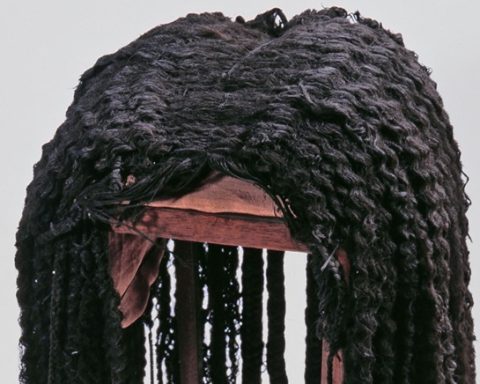
In 1906, archaeologists uncovered a remarkable wig belonging to an Egyptian woman named Merit while excavating her tomb alongside her husband, Kha, in Luxor, the ancient city of Thebes. The wig, made
More
Archaeologists in Poland have uncovered a rare iron tool used by the Celts to perform cranial surgery more than 2,300 years ago. The hand-held implement, discovered at Łysa Góra — a Celtic
More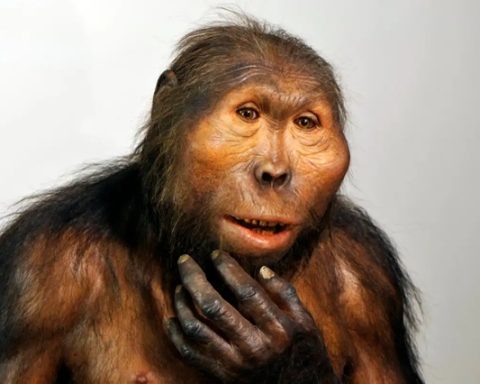
The first fossil hominins were discovered at the beginning of the 20th century in South Africa, just over half a century after the publication of Darwin’s milestone work The Origin of Species (published in 1859)
More
Summary: Widely used to describe global economic and political divides, the terms ‘Global North’ and ‘Global South’ are misleading. They are geographically inaccurate, oversimplify diverse nations, and echo colonial hierarchies. As Martina
More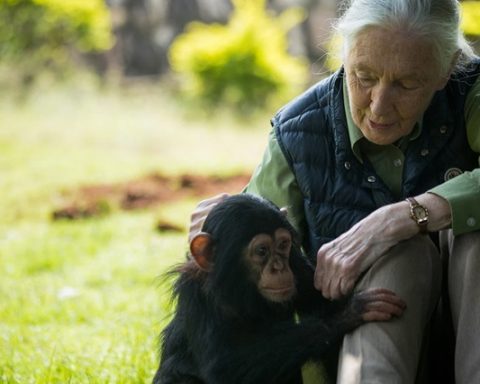
Jane Goodall, the British primatologist celebrated for her groundbreaking work with chimpanzees, passed away on Wednesday, 1 October, at the age of 91 while on a speaking tour in California. According to
More
A deeper reach into human history is now possible, thanks to a growing body of archaeological data collected using advanced technologies and patient scholarly detective work accumulated across recent decades. Research into
More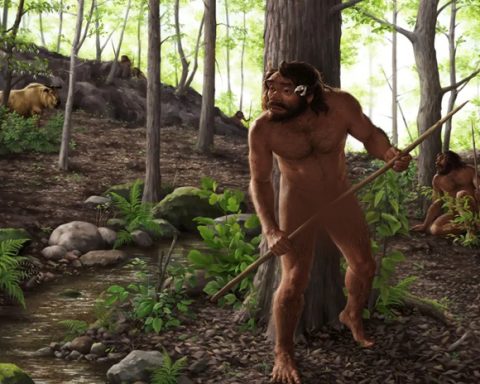
The discovery of a million-year-old skull in China has forced scientists to reconsider the origins and timeline of modern humans, Times UK reports. Known as Yunxian 2, the skull was unearthed in
More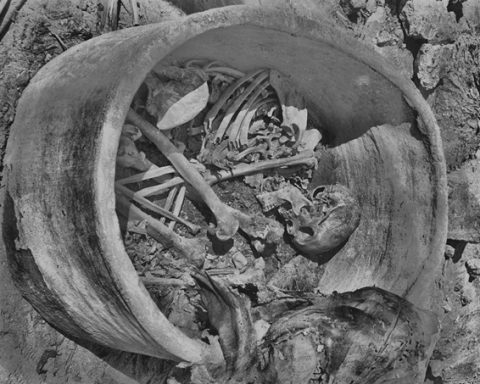
Scientists have decoded the DNA of an ancient Egyptian man who lived nearly 5,000 years ago, uncovering genetic connections that suggest early ties between two of the world’s greatest ancient civilisations. The
More
In the early 20th century, architects turned to a newly discovered past to craft novel visions of the future: the ancient history of Mesopotamia. Eva Miller traces how both the mythology of
More