Taiwan has rejected a U.S. proposal to move half of America’s semiconductor production to domestic soil, highlighting persistent tensions in trade discussions between the two sides.
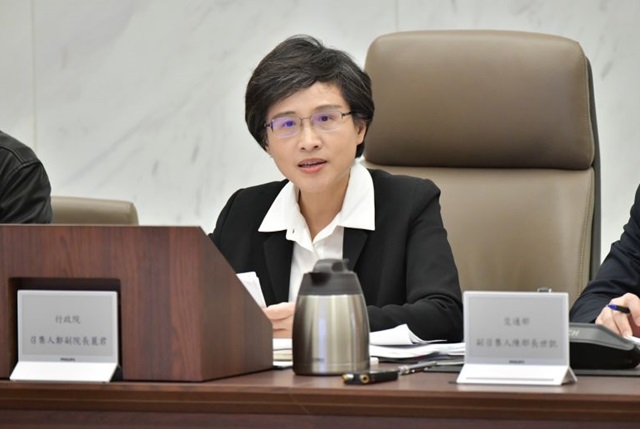
Vice Premier Cheng Li-chiun said Wednesday that the concept of the U.S. producing 50% of the chips it consumes originated in Washington, and Taiwan has never agreed to such a target. “This issue was not discussed in this round of negotiation, and we will not agree to such a condition,” Cheng said. He added that Taiwan prefers to focus on concessions linked to the Section 232 investigation, which has recently been expanded to cover more products.
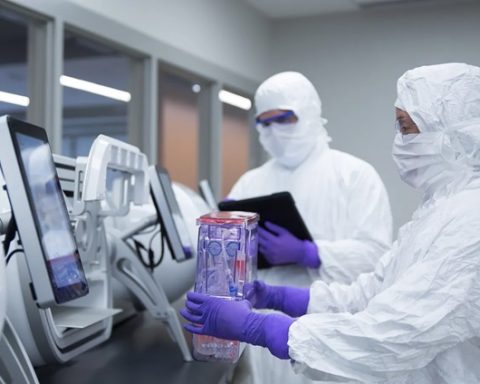
U.S. Commerce Secretary Howard Lutnick told NewsNation earlier this week that discussions with Taipei had considered the proposal as a way to reduce America’s reliance on overseas chip manufacturing. U.S. officials have long warned about the risks of over-dependence on Taiwan Semiconductor Manufacturing Co. (TSMC) and its ecosystem of suppliers, which produce most of the world’s most advanced chips—a vulnerability exposed during Covid-era shortages affecting industries from automotive to defense and AI technology.
Taiwan’s cabinet stated on Wednesday that “certain progress was made” in recent in-depth talks with Lutnick, U.S. representative Jamieson Greer, and their teams. However, it emphasized that over 70% of Taiwan’s exports to the U.S. are semiconductor-related and remain under the Section 232 review. Negotiations can only conclude once both sides agree on reciprocal tariffs, Section 232 measures, and supply chain cooperation.
The U.S. imposed a 20% reciprocal tariff on imports from Taiwan in July, a rate higher than regional competitors such as Japan and South Korea face. Semiconductor-related goods were exempted from the tariff as they continue to be reviewed under Section 232.