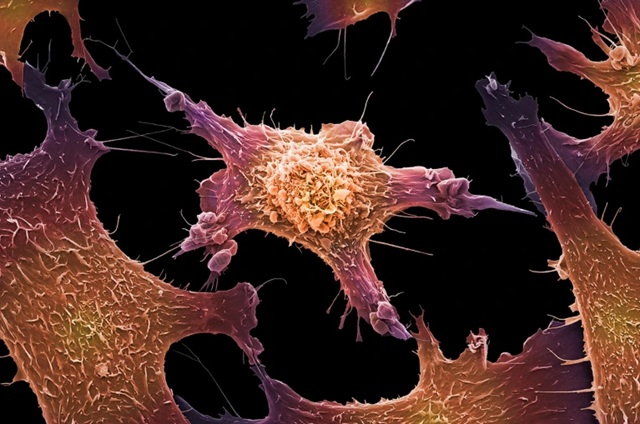
During last month’s Super Bowl, a television advertisement showcased a simple blood test called Galleri, promising to detect early signs of more than 50 types of cancer or provide reassurance with an “all-clear” result. Galleri is one of approximately 40 MCED tests currently on the market or in development. However, very few have undergone rigorous randomized controlled trials (RCTs), the gold standard for evaluating medical interventions, and none has yet received regulatory approval for widespread screening use.
Grail, the California-based biotechnology company behind Galleri, recently released preliminary results from the first RCT of an MCED test conducted in collaboration with the UK National Health Service (NHS). The study aimed to determine whether annual Galleri testing could reduce diagnoses of late-stage cancer when combined with standard screening. Early findings indicate that the test did not achieve statistical significance for this primary objective, though the company notes some secondary measures suggest potential benefits, including a reported fourfold increase in detection for certain cancers when used alongside conventional screenings. Nature emphasizes that these results remain under close scrutiny.
The underlying science of MCED tests is not new. Researchers have long known that tumors shed cells and fragments of DNA into the bloodstream, known as circulating tumor DNA (ctDNA). Liquid biopsies, which detect these fragments, are already widely used to monitor cancer progression and guide treatment decisions. Detecting early-stage cancer, however, remains challenging because ctDNA represents an extremely small fraction of total circulating DNA—sometimes as low as 0.006 percent.
To overcome this, some MCED tests analyze additional molecular markers. For instance, DNA methylation patterns, which regulate gene activity, can indicate the presence and location of tumors. Grail’s Galleri test incorporates such methylation analysis, while other tests, such as PanSeer and OverC, combine methylation profiling with assessments of physical DNA characteristics to improve accuracy. Several research groups are now experimenting with multi-modal approaches, combining genetic, epigenetic, and structural DNA data to refine detection.
Despite technological advances, MCED tests face serious limitations. Systematic reviews show that while specificity—the ability to correctly identify individuals without cancer—is high (96–99.5 percent), sensitivity varies widely, detecting only 30–80 percent of actual cancers. Trials involving asymptomatic populations further illustrate the problem: a subset analysis of CancerSEEK, a precursor to some MCED tests, identified only 26 of 96 cancers diagnosed during the study, even though it correctly ruled out disease in nearly all healthy participants. Galleri’s NHS trial reflected a similar pattern, with only 38 percent of positive results confirmed as cancer, highlighting the risk of false positives and unnecessary follow-up procedures.
Experts caution that a positive test result may not reliably indicate a life-threatening cancer, while a negative result could create false reassurance. Eric Topol of the Scripps Research Translational Institute in San Diego describes promoting MCED tests without robust data as “irresponsible.” Similarly, Julia Burnier of McGill University notes that early detection is only valuable if it leads to improved survival outcomes, a question that remains unresolved for many multi-cancer tests.
MCED proponents argue these tests could complement, rather than replace, established screening programs, especially for cancers without recommended screening options. Harpal Kumar of Grail highlights the potential to reduce stage-4 diagnoses and detect cancers missed by conventional methods. Some scientists see broader applications for liquid biopsies beyond population screening, including guiding personalized treatment and monitoring minimal residual disease after surgery or therapy. In England, the NHS has recently introduced ctDNA-based liquid biopsies to support lung and breast cancer management.
Nature underscores that while MCED tests hold transformative potential, the field is still in its infancy. Regulators, health systems, and insurers must carefully evaluate trial data, particularly regarding sensitivity, specificity, and positive predictive value, before endorsing widespread use. Experts emphasize the importance of maintaining adherence to existing screenings while integrating emerging technologies, to avoid preventable harms or missed diagnoses.
Tom Callender of the University of Cambridge, part of the UK National Screening Committee’s MCED task group, concludes that although MCED tests are promising, they are not yet ready for broad adoption. He predicts that with continued research and refinement, multi-cancer blood tests could eventually become an important component of cancer prevention and precision medicine, but caution and rigorous evaluation remain essential.