In recent years, the dominance of the US dollar as the world’s leading currency has come under scrutiny, particularly as shifts in political leadership raise questions about the stability of the global financial system. The dollar’s position as the safe haven of international trade and finance has been shaped by structural factors such as the US’s large share of world GDP and the depth and liquidity of US financial markets. However, as reported by Financial Times, it is increasingly clear that the forces of politics, rather than purely economic indicators, may shape the future of the dollar’s supremacy.
At the heart of this debate is the historical role played by influential individuals who built the institutions behind the international use of the dollar. The story of the dollar’s global rise begins with Paul Warburg, a key architect of the US Federal Reserve, who sought to secure the dollar’s place in global finance through the creation of a central bank. In 1914, Warburg’s work laid the groundwork for the expansion of dollar-denominated trade instruments, fundamentally changing the structure of international finance.
Fast forward to the post-World War II era, when Harry Dexter White, working at the US Treasury, pushed the dollar’s global role even further. As Financial Times highlights, White’s pivotal role in the Bretton Woods Conference of 1944 led to the dollar being the only fully convertible international currency tied to gold, solidifying the US dollar’s preeminent status in global trade and finance.
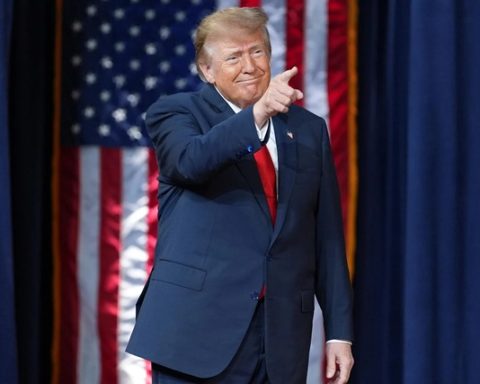
However, in recent years, the political landscape has shifted dramatically. The administration of former President Donald Trump has raised serious concerns about the long-term viability of the institutions that underpinned dollar dominance. Financial Times notes that the current political climate, particularly in the wake of the Trump administration’s isolationist policies, has undermined the relationships and reciprocity that once ensured the dollar’s strength.
The use of economic weapons, such as sanctions, and aggressive tariffs has triggered countries to reconsider their reliance on the US dollar. With the rise of competing currencies and a growing skepticism about the stability of the US economy, many nations are diversifying away from the dollar. In this context, the potential collapse of long-standing alliances and the increasing use of economic tools to force political objectives could weaken the dollar’s standing as the global currency.
Moreover, America’s fiscal challenges add to the uncertainty. As Financial Times notes, the rising US debt and concerns over the future of the Federal Reserve’s independence under Trump’s leadership could further erode confidence in the dollar’s long-term value. These developments underscore the growing risks to the dollar’s status as the currency of choice for foreign reserves, trade, and investment.
Ultimately, the future of the dollar may hinge on the ability of US leaders to navigate these political and economic challenges, uphold international commitments, and restore trust in the country’s financial institutions. As we look ahead, the fate of the dollar could depend not only on its economic strength but also on the resilience of its political alliances and the rule of law, a reminder that currencies are as much about trust and relationships as they are about raw economic power.