On 02 June, the Adani Group was also placed under American scrutiny by allegedly importing Iranian liquid petroleum Gas (LPG) – which violates American sanctions under the Iran Sanction Act. Such an unfolding inquiry not only risks the strategic positioning of India with the West but also questions the validity of state-capitalist unions with the economic vision of India’s Prime Minister Narendra Modi. Through the lens of international relations, these events exacerbate the difference between realism and liberalism and show how national interest and order to rules oppose one another. The event may redefine trust in international trade adherence and transform the Indian diplomacy stance in the context of great power competitions.
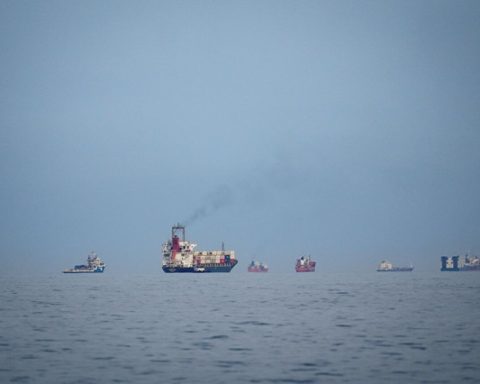
The Adani Group, a key part of Prime Minister Modi’s economic strategy, is scrutinized by US agencies for violating Iranian sanctions. Some Adani-related shipments involved importing gas from Iran to conceal its true nature, including manipulating tracking data, providing false documentation, and concealing the valid owner. This could lead to financial fines and damage India’s global economic image.
The Adani Group has been investigated because it used to bring in gas from Iran through the violation of US laws despite sanctions. Critics have raised their eyebrows over the company’s decision to hide the import intentionally. The legal and political risk has worked against the company, whereby the investors have lost confidence in the situation. Consequently, there are some adverse effects on the Adani Group’s stocks. The world is now watching the company as they navigate the complexities of US law.
The more serious impact of this scandal is India’s view of how it manages its economy in the rest of the world. If it is proven true, the Adani case would justify the findings of critics of crony capitalism, a system in which growth favors politically-friendly companies rather than actual innovation. In Q1 2024, India’s GDP increased by 7.8 percent, but events such as these jeopardize the level of trust of investors in the openness of this growth. Talking to legitimate regimes such as Iran
The Adani Group scandal could have significant economic consequences for India, affecting trust with investors and potentially causing foreign companies to review Indian conglomerates. This could also damage India’s diplomatic standing and relationship with the US, potentially complicating future trade negotiations and strategic alliances. Additionally, the scandal could increase local political opposition between the Modi regime and its corporate faithful, which has previously impacted regulatory transparency and rule-of-law standards in India.
Iran’s secretive LPG exports through Adani outlets will have temporary, strategic, and dangerous economic consequences. The transactions will enable Tehran to evade sanctions and receive income and further the American Treasury’s and its allies’ attention more closely. This would further alienate Iran in the energy sector. Additional sanctions can be experienced on intermediaries, and thus, it is challenging to open trade routes between Iran and Asian nations, and this quarantines Iran to the pariah zone of world financing.
Such trade of LPG with Iran by the Adani Group may be viewed as a calculated offense on the part of the West to sustain the tensions between Israel and Iran. Considering that sanctions on Iran are getting stiffer and that in case there will be a war on Iran, Israel is on the alert, then evading the export of Iranian energy can be viewed as an unspoken encouragement of a diligent government. This can weaken the diplomatic equilibrium India has been treading and culminate in a call to secondary sanctions or even less cooperation on the part of the West. The move brings out the debate of critically examining the alliance by the global leaders in the Middle East and Indo-Pacific.
One of the areas in which economic foreign policy has become weak is the Adani-Iran LPG scandal, a strongly divided geopolitical situation. Reputational risk is possible in India and strategically free with both the East and West. Iran is an example of a country where trade is a source of economic lifelines and stiffens the West’s will to have stricter trade control. As global frictions rise, business transactions without responsibility may be the loci of geopolitical confrontation. The mishandling of business will spread foreign policy, cause investors to grow financially, and solidify international precedents.
Views expressed are personal