


In a dramatic escalation of rhetoric over violence in Nigeria, former US President Donald Trump has threatened military action against the West African nation, citing the persecution of Christians by Islamist militants. The Times UK reports that the move follows growing pressure from Trump’s evangelical base, which has long highlighted attacks on Christian communities in Nigeria as a humanitarian and religious crisis.
The threat comes in the wake of social media posts and commentary by conservative activists, including the late Charlie Kirk, who claimed that 125,000 Christians had been killed and 19,000 churches destroyed in Nigeria over the past 15 years. While the exact figures remain unverified, they have been widely circulated within the MAGA movement.
Trump, speaking on Truth Social, declared that he had ordered the Pentagon to begin planning a military response “with guns-a-blazing” unless Nigeria takes stronger measures to protect its Christian population. He warned that US aid and support could be cut off, describing the potential intervention as “fast, vicious and sweet, just like the terrorist thugs attack our CHERISHED Christians!”
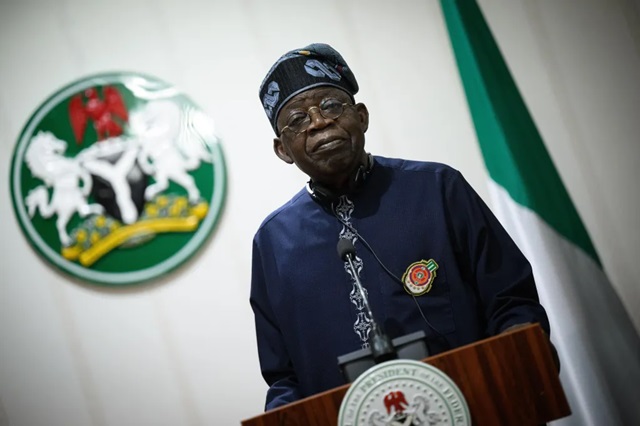
The US threat has been met with cautious diplomacy in Abuja. Nigeria’s government welcomed American support in principle but stressed that any intervention must respect the country’s territorial integrity. President Bola Ahmed Tinubu downplayed Trump’s rhetoric, noting, “We know that Donald Trump has his own style of communication,” suggesting that the posts were aimed at encouraging high-level talks rather than signaling imminent military action.
The crisis in Nigeria is complex, involving Islamist insurgencies such as Boko Haram, clashes between Christian farmers and Muslim Fulani herders, separatist movements, and ethnic rivalries. Between 2020 and September 2024, the Armed Conflict Location and Event Data Program recorded over 20,000 deaths in more than 11,800 attacks across the country, affecting both Christians and Muslims. Only a fraction of these incidents were explicitly religiously motivated, according to analysts.
Evangelical figures in the US have amplified Trump’s message. Paula White-Cain, senior adviser to the White House faith office, praised the president for his “strong stand on Christian persecution in Nigeria,” while Rev. Franklin Graham expressed gratitude for his attention to the plight of Nigerian Christians. MAGA-aligned voices like Ted Cruz and JD Vance have also highlighted the attacks on Christians as evidence of the Nigerian government’s alleged inaction.
However, some experts caution that framing the violence primarily as religious persecution risks oversimplifying the crisis. Olajumoke Ayandele, a conflict studies academic at NYU, emphasized that the violence in Nigeria affects people across religious and ethnic lines, and overemphasis on Christian victims could exacerbate tensions. Senior Church of England figures and Vatican officials have similarly described the situation as a broader social and security crisis rather than a strictly religious war.
Trump’s pledge has reignited debate over US intervention in Africa and the influence of domestic political bases on foreign policy. While evangelical supporters view it as a moral imperative, Nigerian authorities and analysts stress the need for nuanced engagement that considers local realities and the diverse victims of violence across the country.
The unfolding situation raises urgent questions about how religious narratives, political rhetoric, and international security intersect in one of Africa’s most populous and geopolitically significant nations.









