In a narrow 5-4 decision, the U.S. Supreme Court has ruled against the Trump administration, ordering the immediate release of nearly $2 billion in frozen foreign aid payments. The ruling marks yet another legal setback for Trump’s ongoing efforts to curb government spending, particularly in overseas aid.
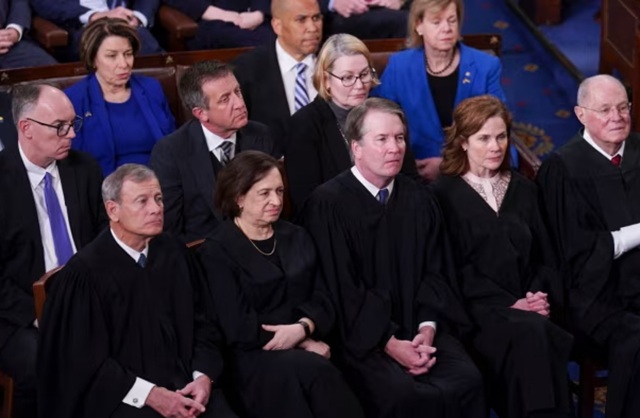
The Financial Times (FT) reports that the administration had argued a lower court judge overstepped his authority by mandating the disbursement of funds, asserting that only Congress could intervene. However, the majority of justices disagreed, with Chief Justice Roberts siding with the court’s liberal wing. Dissenting opinions came from Justices Alito, Thomas, Gorsuch, and Kavanaugh, with Alito warning that the decision amounted to a “judicial overreach” that unfairly burdened taxpayers.
The case originated from a lawsuit filed by global health and humanitarian groups challenging an executive order signed by Trump early in his presidency. The order sought to immediately halt all foreign aid, citing what Trump called “wasteful spending” in countries like Mozambique, Mali, and Uganda. The plaintiffs argued the move violated federal laws and was an unconstitutional overreach of executive power.
Despite multiple court orders, the administration repeatedly refused to release the funds, leading to Wednesday’s Supreme Court ruling. The decision is part of a broader pattern of legal pushback against Trump’s attempts to reshape government spending. Lower courts have blocked his efforts to freeze federal grants, suspend refugee programs, and fire certain government employees.
The ruling also underscores the increasing scrutiny on Trump’s handling of U.S. aid agencies. The administration has significantly weakened USAID, the primary body responsible for distributing foreign assistance, leaving many programs in limbo.
Following the decision, advocacy group Public Citizen, one of the plaintiffs in the case, declared: “Trump is not a king. He cannot ignore the law.” While some courts have upheld Trump’s executive powers in other areas, such as intelligence and data access, this latest ruling is a sharp rebuke of his attempts to unilaterally cut foreign aid spending.