


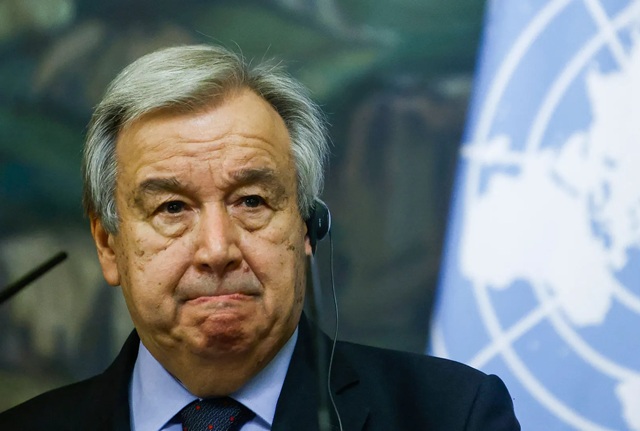
The United Nations has warned that a US-imposed energy blockade could trigger a humanitarian collapse in Cuba, as fuel shortages deepen and vital services across the island falter. Secretary General Antonio Guterres described the situation as “extremely concerning,” underscoring fears that continued disruptions to oil supplies could cripple daily life for millions of Cubans.
Cuban authorities are preparing rationing measures to manage worsening fuel scarcity after US President Donald Trump threatened tariffs against countries that ship oil to the island. President Miguel Diaz-Canel said the tightening restrictions have already caused widespread blackouts and severe interruptions to schools, hospitals, and public transportation, compounding economic stress in a country still recovering from recent natural disasters.
Speaking at a UN briefing on Thursday, spokesman Stephane Dujarric said Guterres was “extremely concerned about the humanitarian situation in Cuba, which will worsen, if not collapse, if its oil needs go unmet.” He reiterated that the UN General Assembly has repeatedly called for an end to the US embargo, which has been in place for more than six decades.
The United States has enforced trade restrictions against Cuba since 1960, escalating enforcement in recent years. In December 2025, the US Navy and Coast Guard began seizing tankers in the Caribbean accused of violating sanctions. Trump has justified the measures by accusing Havana of supporting terrorist groups and portraying Cuba’s ties with Russia, China, and Iran as a threat to US national security.
Washington has rejected claims that the blockade is responsible for the island’s shortages. On Thursday, US officials announced an additional $6 million in humanitarian aid to Cuba, largely earmarked for eastern regions devastated by Hurricane Melissa last year. Jeremy Lewin, a senior State Department official overseeing humanitarian assistance, accused the Cuban government of hoarding resources and denied that food and fuel shortages were linked to restrictions on oil shipments.
In a televised address the same day, Diaz-Canel dismissed US allegations of terrorism and security threats as unfounded. He said Cuba remained open to dialogue with Washington, but only on the basis of equality and respect for the country’s sovereignty, warning that continued pressure would deepen hardship without resolving underlying political disputes.









