India’s ongoing trade conflict with the United States has drawn fresh attention to the windfall profits enjoyed by Mukesh Ambani, Asia’s richest man, through his Reliance Industries group’s extensive imports of discounted Russian crude oil. As India’s foreign minister, S. Jaishankar, defended New Delhi’s purchases of Russian oil as a “moral duty” to secure the best deal for Indian citizens, the spotlight has turned to how Reliance, which operates the world’s largest refining complex in Jamnagar, has been a major beneficiary of the lucrative arrangement.
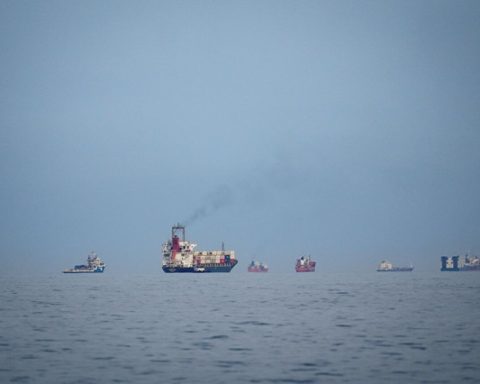
Since Russia’s full-scale invasion of Ukraine in early 2022, Reliance and other Indian refiners have imported vast quantities of Russian crude at steep discounts, creating significant profits amid soaring global energy prices. According to Amrita Sen, director of research at Energy Aspects, Indian refiners have earned an estimated $16 billion in additional profit from these imports, with Reliance capturing nearly $6 billion of that sum. This surge in profitability has coincided with a sharp escalation in US-India trade tensions, as President Donald Trump recently doubled tariffs on Indian goods to 50 percent, accusing New Delhi of indirectly funding Moscow’s war effort.
Prior to the war, India’s imports of Russian crude were minimal, but since 2022, the country has purchased nearly $140 billion worth of discounted Russian oil. Reliance, which generates around 60 percent of its revenues from refining and petrochemicals, has significantly increased its purchases, signing a 10-year contract in late 2024 to acquire nearly 500,000 barrels per day from Russia’s state-owned Rosneft, with volumes rising to about 700,000 barrels daily in 2025. Despite the scrutiny, Reliance maintains that only 30 percent of the crude it processes comes from Russia and cautions against attributing its profits solely to these imports.
The issue has become a flashpoint in broader geopolitical and trade discussions. While India insists that its purchases comply with international rules and are not subject to sanctions like those on Iran or Venezuela, the US and European Union have raised concerns over the impact of Russian oil on the global energy market and on Russia’s war financing. The EU has recently imposed new restrictions targeting refined oil products made from Russian crude, including sanctions on Indian refiner Nayara Energy, triggering protests from New Delhi.
Energy analysts warn that the trade in products refined from Russian oil represents a significant loophole in sanctions aimed at isolating Moscow. Isaac Levi, a Europe-Russia energy expert, described this trade as inadvertently funding the Kremlin’s military operations. While demand from Indian state-owned refiners has declined recently, private companies such as Reliance have remained major buyers, although there are indications that Reliance is considering scaling back purchases in response to tightening restrictions.
For India, access to discounted Russian crude has been crucial in managing the cost of fuel subsidies and maintaining refinery profitability amid volatile global prices. Despite a nearly 40 percent drop in crude oil prices in India since early 2022, retail petrol prices have fallen only marginally, highlighting the role of government price controls and subsidy policies. Indian government data shows that dividends from state-owned refiners surged almost threefold between 2022-23 and 2024-25, underscoring the financial gains tied to oil imports.
Reliance Industries has declined to provide detailed profit breakdowns but pointed to consistently strong performance across its refining and petrochemical segments. Meanwhile, the trade dispute with the US continues to raise questions about India’s balancing act between economic interests, energy security, and international diplomatic pressures—placing Mukesh Ambani and his oil empire squarely in the spotlight.