The United States has secured access to rare earth metals from Brazil through a $565 million loan to the mining company Serra Verde, ensuring that American industries—from defense to technology—can obtain the materials critical to modern manufacturing. According to the Financial Times, Conor Coleman, head of investments at the US International Development Finance Corporation (DFC), confirmed that the deal includes offtake controls guaranteeing that the metals are supplied to the United States and allied partners. The loan arrangement gives the US influence over where the rare earths are sold, tying access directly to the conditions of its financing.
Serra Verde’s Pela Ema mine is one of the few heavy rare earth producers outside China, a country that currently dominates global supply. The materials are essential for permanent magnets used in electric vehicles, wind turbines, and weapons systems, making their availability a national security priority. Brazil possesses the world’s second-largest deposits of rare earths, yet production remains limited, positioning the country as a focal point in a growing global competition for these minerals.
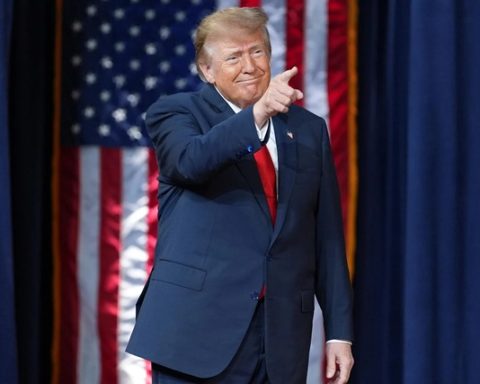
The Financial Times reports that the Trump administration has actively pursued further access to Brazil’s reserves and has proposed co-operation agreements with Brasília. Brazilian officials have indicated that technical teams from both countries are meeting regularly to discuss supply arrangements. Interest in Brazil’s rare earths extends beyond the United States, with the European Union, India, and China also exploring ways to secure supplies for their own industries.
Serra Verde is currently Brazil’s only operational rare earth producer. Several other projects are in development, but funding constraints have slowed progress. In response to global demand, Serra Verde amended certain sales agreements to redirect more production—previously earmarked for China—toward international buyers. The DFC increased its loan to the company in December from an initial commitment of $465 million, demonstrating Washington’s commitment to securing the metals. Serra Verde declined to comment on the agreement.
The DFC is also pursuing similar measures with other strategic minerals. Last week, it announced plans for a debt-for-equity swap with Australian graphite miner Syrah Resources, which would grant the US agency an ownership stake of roughly 20 percent. Conor Coleman explained that the deal aims to prevent critical assets from falling into “the wrong hands” while allowing the US to take a more active role in overseeing production. This follows a 2024 loan to Syrah and responds to oversupply pressures from Chinese graphite producers, as well as past disruptions at Syrah’s Balama Graphite Operation in Mozambique due to civil unrest.
In addition, the US Export-Import Bank intends to loan $2.7 billion to Perpetua Resources for a gold and antimony project. Antimony, like rare earths and graphite, is used in defense applications, including flame retardants and munitions. This loan remains subject to final approvals, underscoring the ongoing push by Washington to secure access to critical minerals amid a global scramble for resources.
These initiatives reflect a broader US strategy to reduce reliance on China for essential industrial inputs, especially materials vital for defense and clean energy technologies. By tying access to financing and acquiring equity stakes in key mining projects abroad, the US is seeking to exert influence over global supply chains and protect strategic interests. For American companies and the national security apparatus alike, the agreements represent a major step toward stabilizing access to the minerals that underpin 21st-century technology.