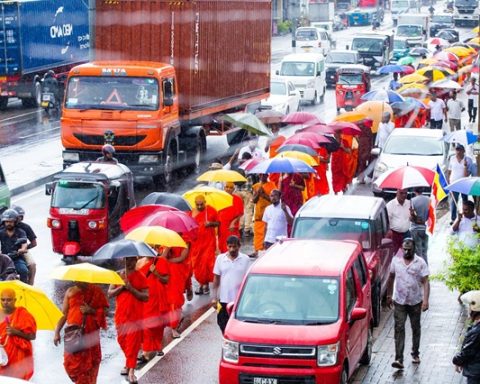
As of 2026, the world population has reached 8.3 billion, four times larger than it was a century ago. This rapid growth, unprecedented in human history, is reshaping the planet’s social, economic, and environmental landscape. Yet despite record numbers, the human population is expected to continue rising for most of the 21st century, placing increasing pressure on natural resources, infrastructure, and global sustainability.
Over the past two hundred years, population growth has accelerated dramatically. It took thousands of years for humanity to reach the first billion people in 1804. The subsequent milestones came faster and faster: two billion in 1927, four billion in 1974, and six billion by 1999. The pace of growth for each additional billion has shortened considerably, with the latest increments taking roughly twelve years each. In total, human numbers have increased five-fold since the beginning of the 20th century, reflecting advances in medicine, agriculture, and technology that have lowered mortality rates while extending life expectancy.
United Nations projections, cited by IPS News Service, indicate that the world population will continue rising, reaching approximately 10 billion by 2060. By 2084, it is expected to peak at 10.3 billion, before slightly declining to 10.2 billion by the century’s end. This demographic surge, however, is not evenly distributed across the globe. At the start of the 20th century, Africa accounted for just 8 percent of the world’s population, while Europe held 25 percent. By the close of the 21st century, Africa’s share is projected to rise to 37 percent, while Europe’s declines to 6 percent. Asia, home to 60 percent of humanity at the start of the 20th century, will account for only 45 percent by 2100. Populations in Latin America, the Caribbean, Northern America, and Oceania are expected to remain relatively stable, at roughly 8 percent, 5 percent, and 1 percent, respectively.
These shifts carry far-reaching implications. Rapid population growth in some regions coincides with low fertility rates and demographic ageing in others, producing a complex mosaic of challenges for governments, economies, and societies. Many policymakers and economists, particularly in industrialized nations, continue to advocate for population growth, arguing that larger populations boost labor supply, stimulate markets, and drive economic innovation. Meanwhile, media coverage often portrays declining populations as a crisis, framing ageing demographics and low fertility rates as threats to economic growth rather than potential relief for environmental or social pressures.
At the same time, the environmental consequences of a growing population are increasingly urgent. IPS News Service reports that humanity’s expanding footprint is driving climate change, resource scarcity, biodiversity loss, and ecological disruption. Nearly half of the world’s migratory animal species are in decline due to habitat destruction and climate-related pressures. Rising global temperatures and melting glaciers, particularly the Thwaites Glacier in Antarctica, threaten coastal cities with sea-level rises of up to two feet in the coming decades, affecting tens of millions of people worldwide.
Food security, freshwater availability, and energy systems are all under stress from growing populations. Urbanization, intensified agriculture, and industrial expansion increase demand for limited resources while generating additional environmental pressures. Many governments have yet to adequately address the interplay between demographic growth and planetary sustainability, often minimizing the risks posed by continued expansion.
Population growth also intersects with social and economic vulnerabilities. As societies age in some regions and youth bulges persist in others, disparities in health, education, and employment opportunities are likely to widen. Migration pressures, driven by conflict, climate change, and resource scarcity, could further complicate social cohesion and international stability. Experts warn that failing to account for population dynamics in planning for infrastructure, health systems, and climate adaptation strategies could exacerbate societal vulnerabilities, leaving millions exposed to preventable hardships.
Despite these challenges, the discourse around population often ignores positive aspects. Stable or slightly declining populations in some countries may ease pressures on housing, healthcare, and the environment. Improved longevity and demographic transition can allow for more sustainable economic growth and greater opportunities for women, families, and communities. Yet traditional narratives frequently prioritize expansion over balance, framing moderate growth or stability as stagnation rather than achievement.
The consequences of global population growth, projected to peak at over 10 billion, are profound and multifaceted. As IPS News Service highlights, these include resource depletion, food and water insecurity, habitat loss, increased unauthorized migration, climate change acceleration, and heightened societal vulnerabilities. At the same time, growth presents opportunities to rethink urban planning, energy systems, and social policy to support resilience, equity, and sustainability.
In essence, humanity stands at a demographic crossroads. How governments, international organizations, and civil society respond to population growth will determine whether the coming decades are defined by environmental crises and social strain, or by innovation, adaptation, and sustainable development. While much attention remains focused on low fertility rates and demographic ageing in some countries, the broader global challenge is clear: managing the growth of 8.3 billion people—and the projected 10.3 billion by 2084—will require urgent, coordinated action to safeguard the planet for future generations.