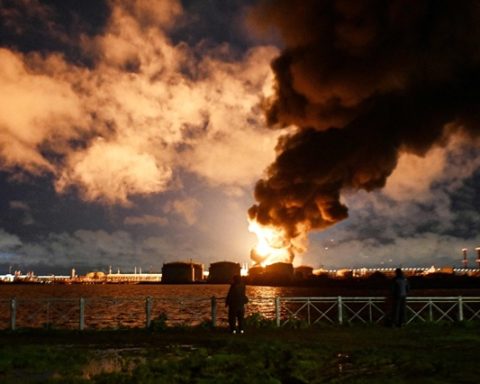
The year 2024 offered a kaleidoscope of geopolitical machinations, epitomizing the quintessential interplay of collaboration and conflict that defines the global stage. As nations pursued divergent agendas, the world bore witness to acts of commendable unity juxtaposed with instances of fragmentation and discord, the echoes of which will undoubtedly shape the trajectory of international relations for years to come.
Achievements in Multilateralism
The reaffirmation of the Paris Agreement during this period marked a cornerstone of international cooperation. The establishment of a Green Energy Coalition—a venture galvanized by the European Union and bolstered by nations from both the developed and developing world—stood as a testament to the spirit of collective resolve. This initiative, founded on principles of technology transfer and equitable resource allocation, sought to catalyze the shift toward renewable energy and foster resilience among nations most susceptible to the perils of climate change. In a parallel vein, the International Civil Aviation Organization heralded a breakthrough by instituting robust carbon emission standards, thus illustrating the potency of multilateralism in addressing systemic challenges.
Another exemplar of transnational synergy was the deployment of a satellite constellation designed to monitor and mitigate climate-related catastrophes. This ambitious project, spearheaded by an unprecedented coalition of the United States, China, and India, underscored the transcendence of political rivalries when the existential threats confronting humanity demanded unified action. Similarly, progress in global health cooperation, evidenced by equitable vaccine distribution strategies, signaled a concerted effort to leave no community behind in combating emerging variants of COVID-19.
The year 2024 was one of profound geopolitical and environmental significance, characterized by landmark events and enduring challenges that tested the resolve of the international community. Chief among these was the 29th Conference of the Parties to the United Nations Framework Convention on Climate Change (COP29), which convened in Dubai amid an escalating climate crisis. This gathering, alongside other pivotal occurrences, highlighted humanity’s dual capacity for collaboration and discord, laying bare both achievements and shortcomings.
COP29 served as a global forum for addressing the intensifying climate emergency. Delegates from 196 nations arrived with a mandate to confront rising global temperatures, dwindling biodiversity, and the persistent gap between pledges and action. Among the significant outcomes was the agreement to establish a dedicated fund for loss and damage, aimed at compensating vulnerable nations disproportionately affected by climate-induced disasters. This fund was seen as a triumph of equity, representing a long-overdue acknowledgment of the responsibilities borne by industrialized nations for historical emissions.
Moreover, COP29 witnessed commitments to phase out unabated coal power by 2035, with notable endorsements from India and China—two of the world’s largest emitters. Renewable energy alliances gained traction, bolstered by unprecedented investments in wind and solar technologies. Yet, despite these advancements, glaring deficiencies persisted. The absence of binding targets for methane reduction and the lack of consensus on ceasing fossil fuel subsidies underscored the enduring inertia of vested interests. Many developing nations decried the insufficiency of financial commitments to adaptation and mitigation, raising concerns about the equity of the global response.
Geopolitical Shifts and Multilateralism
Beyond the climate arena, 2024 was marked by significant geopolitical realignments. The continued conflict in Ukraine reached a precarious juncture, with international sanctions on Russia intensifying while diplomatic overtures failed to yield tangible progress. The war’s economic repercussions rippled globally, exacerbating inflationary pressures and disrupting critical supply chains.
In the Asia-Pacific, the Association of Southeast Asian Nations (ASEAN) played a pivotal role in mediating disputes over the South China Sea, emphasizing dialogue over militarization. However, tensions persisted, with the region remaining a flashpoint for great power rivalry. The Quad alliance—comprising the United States, India, Japan, and Australia—enhanced its strategic and economic cooperation, signaling a commitment to counterbalance China’s growing influence.
Achievements in Public Health and Technology
The global response to the lingering effects of the COVID-19 pandemic showcased commendable progress. A new vaccine—developed through mRNA technology—demonstrated efficacy against multiple variants, reaffirming the importance of scientific innovation. The World Health Organization’s pandemic preparedness framework gained traction, with nations pledging to bolster health systems and ensure equitable vaccine distribution.
Technological advancements, particularly in quantum computing and artificial intelligence, offered both promise and peril. While AI-driven solutions enhanced agricultural productivity and disaster prediction capabilities, ethical dilemmas surrounding surveillance and job displacement persisted. The need for a cohesive international framework to regulate these technologies became increasingly urgent.
Environmental and Social Challenges
The Amazon rainforest, often termed the “lungs of the Earth,” faced unprecedented deforestation rates, driven by unsustainable agricultural expansion. Despite international pledges to halt biodiversity loss, the degradation of ecosystems continued unabated. Socially, the rise of authoritarianism and democratic backsliding—evidenced by contested elections and the suppression of dissent—posed grave threats to human rights and governance.
Regional Integration: Progress and Promise
In the realm of regional integration, Africa’s strides toward economic cohesion through the African Continental Free Trade Area (AfCFTA) resonated profoundly. By dismantling barriers to intra-African trade, member states not only elevated their collective economic stature but also exemplified the possibilities inherent in regionalism. Likewise, ASEAN’s initiatives to fortify regional security and economic cooperation further cemented its position as a bastion of stability and dynamism.
Failures and Challenges
However, the year was far from devoid of ignominy. Vaccine nationalism, rearing its head once again, starkly illustrated the inequities perpetuated by states prioritizing self-interest over global welfare. Such actions eroded confidence in multilateral frameworks painstakingly built to safeguard inclusivity. The reemergence of trade wars—notably between the United States and China—over issues of technology transfer and intellectual property rights, only exacerbated existing fissures within the global economic order, precipitating disruptions across critical supply chains.
The unrelenting specter of conflict loomed large over Eastern Europe, where the situation in Ukraine deteriorated further. Russian aggression, marked by relentless offensives, met with vehement international condemnation and escalated sanctions. These measures, though indicative of global opposition to violations of sovereignty, offered scant reprieve to the millions displaced or affected by the intensifying humanitarian crisis. In the Asia-Pacific, China’s militarization of contested territories in the South China Sea underscored the fragility of international norms, emboldening regional insecurities and jeopardizing maritime stability.
Economic Dependencies and Their Costs
Economic dependencies, once touted as vehicles of interdependence, increasingly became instruments of coercion. Europe’s reliance on Russian energy underscored the vulnerabilities inherent in asymmetrical trade relationships, despite intensified efforts to diversify energy sources. China’s strategic leverage over rare earth mineral exports, weaponized to exert geopolitical pressure, further illuminated the dangers of monopolistic control over critical resources. These developments reinforced the imperative for resilience-building within global supply chains.
Environmental and Technological Tensions
The environment, as ever, remained a poignant theater of contention. Deforestation in the Amazon, driven by policies emphasizing immediate economic gratification, persisted unabated, thereby undermining global commitments to arrest climate change. Such intransigence served as a chilling reminder of the gulf between rhetoric and action, casting a pall over multilateral environmental initiatives.
Technology’s dual-edged nature was starkly evident in 2024. Cyberattacks targeting critical infrastructure proliferated, with state-sponsored actors weaponizing cyberspace to advance strategic objectives. Concurrently, the unchecked spread of surveillance technologies emboldened authoritarian regimes to suppress dissent with alarming efficiency, thereby constricting civil liberties and eroding societal trust.
Democracy Under Siege
The fabric of democracy, once considered impervious, showed signs of wear. Democratic backsliding—characterized by contested elections, the suppression of opposition, and the consolidation of autocratic power—became a disconcerting leitmotif across several nations. The erosion of democratic norms and institutions cast a shadow over the liberal international order, with ramifications that transcended borders.
My Take
Yet, amidst these adversities, 2024 offered glimpses of hope and potential redemption. The salience of multilateralism as an antidote to global crises became increasingly apparent. Calls to reform and bolster international institutions, ensuring equitable representation and adequate funding, resonated widely. The imperative to reinvigorate mechanisms such as the United Nations, World Health Organization, and World Trade Organization was acknowledged as indispensable to addressing contemporary exigencies.
Efforts to bridge global inequalities gained momentum. Debt relief initiatives for developing nations, coupled with technology transfer programs, signaled a shift toward inclusivity and shared prosperity. Investments in healthcare, education, and sustainable infrastructure reflected an emerging recognition of the interconnectedness of human security and global stability.
Environmental governance emerged as an area ripe for innovation. Proposals for binding agreements accompanied by enforceable penalties gained traction, as did investments in renewable energy and conservation initiatives. These measures underscored the transformative potential of collective action in combating environmental crises.
The challenges that loom are undeniably formidable, yet they are neither insurmountable nor inevitable. The indomitable human spirit, when harnessed through cooperation and ingenuity, possesses the capacity to navigate these turbulent waters. By embracing a future-oriented ethos—one that privileges empathy, equity, and shared purpose—humanity can transcend the limitations of its divisions, charting a course toward a horizon defined by enduring peace and prosperity.
As the world enters 2025, the imperative to strengthen multilateralism must be met with decisive action. First and foremost, nations must commit to revamping international institutions, ensuring they are adequately funded and empowered to address contemporary challenges. Structural reforms that enhance representation, particularly for developing nations, are essential to cultivating trust and inclusivity.
The world must also pivot toward creating enforceable frameworks to address climate change. Binding agreements with clear accountability mechanisms should accompany ambitious targets for carbon neutrality. Financial incentives, coupled with technology-sharing initiatives, will be indispensable in encouraging participation from both developed and developing nations. Collaborative efforts should extend to curbing deforestation, replenishing biodiversity, and managing water resources sustainably.
Economic interdependence, while fraught with risks, remains a cornerstone of global stability. To mitigate vulnerabilities, nations must prioritize resilience-building within supply chains. This involves diversifying trade relationships and investing in domestic capabilities, while avoiding the pitfalls of isolationism. Collective action to regulate the trade of critical resources, such as rare earth minerals, is imperative to prevent exploitation and ensure equitable access.
In the technological realm, a global treaty on cyber norms and digital governance could serve as a bulwark against escalating cyber threats. Such a framework must prioritize the protection of critical infrastructure while balancing national security with the preservation of individual freedoms. Simultaneously, international cooperation on artificial intelligence must establish ethical guidelines to prevent misuse and ensure equitable benefits.
Promoting democracy requires a renewed commitment to protecting civil liberties and fostering civic engagement. Multilateral efforts to counter disinformation, provide electoral assistance, and support independent media can reinvigorate democratic values. Investments in education, particularly in promoting critical thinking and digital literacy, will be vital in cultivating an informed citizenry.
Lastly, humanity must not lose sight of its shared vulnerabilities. Public health systems require robust funding and preparedness to confront emerging threats. Equitable vaccine distribution and pandemic response strategies should remain priorities, underscoring the interconnectedness of human welfare.
Ultimately, 2025 offers an opportunity for nations to transcend parochial interests and embrace a collaborative vision for the future. By prioritizing shared goals over divisive rhetoric, the world can lay the foundation for a more just, sustainable, and prosperous global order. The choices made today will reverberate across generations, challenging humanity to rise above its divisions and affirm its commitment to a collective destiny.