



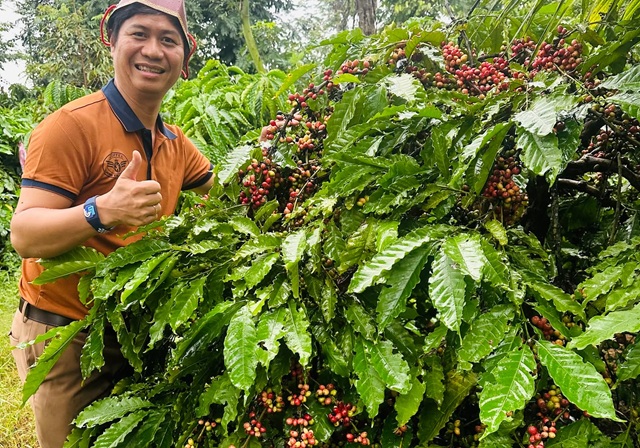
Coffee, one of the world’s most beloved beverages, has a rich history that spans centuries and continents. Originating in the highlands of Ethiopia, coffee began its global journey in the 15th century when it was cultivated in Yemen and spread through the Middle East. By the 17th century, European colonial powers introduced coffee to their overseas territories, recognising its potential as a lucrative cash crop. Vietnam’s coffee story began in the 19th century when French colonialists introduced coffee cultivation to the region, laying the foundation for what would become a cornerstone of the country’s agricultural economy.
During the colonial era, plantation systems were established across Vietnam, with coffee emerging as a significant crop. The French brought Arabica coffee plants, which thrived in Vietnam’s fertile soil and favourable climate. Over time, Robusta coffee became the dominant variety due to its resilience and higher yields. While the colonial period was marked by exploitation, Vietnam’s modern coffee industry has turned this legacy into a source of national pride and economic strength.
Today, Vietnam is the world’s second-largest coffee producer, contributing significantly to the global coffee supply. An astounding 95% of the country’s coffee is cultivated in the Central Highlands, a region blessed with ideal conditions for coffee farming. Robusta remains the predominant variety, valued for its bold flavour and high caffeine content. Major global brands, including Starbucks, source coffee from Vietnam, underscoring the country’s importance in the international market. Among Vietnam’s standout players is Vuong Thanh Cong, a brand that exemplifies innovation and excellence.
A Visit to Vuong Thanh Cong: Excellence in Coffee Production
During a recent trip to Buon Ma Thuot, the vibrant capital of Dak Lak province in the Central Highlands, I had the privilege of visiting Vuong Thanh Cong’s coffee plantations and facilities. The visit, graciously hosted by the company’s founder, Mr. Le Van Vuong, offered valuable insights into the scale and sophistication of Vietnam’s coffee industry.
Founded in 2015, Vuong Thanh Cong has rapidly become a leading name in Vietnamese coffee production. The company manages approximately 700 acres of coffee plantations, producing an impressive 2,500 tonnes of coffee annually. This operation benefits over 1,000 workers and their families, highlighting the company’s significant socio-economic impact on the region. Employing cutting-edge technology and adhering to international standards, Vuong Thanh Cong ensures that its coffee meets the highest quality benchmarks, catering primarily to the global market.
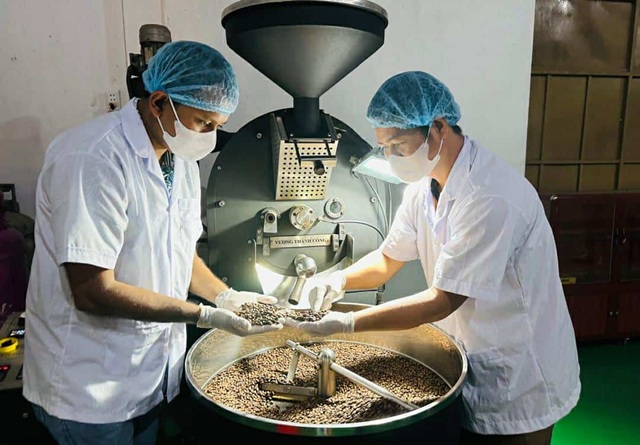
The production process at Vuong Thanh Cong is meticulously managed. Once harvested, the coffee beans are transported to state-of-the-art facilities where they are processed, graded, and prepared for packaging. Products are classified by size, grade, and flavour profile to meet diverse international demands, reflecting the company’s commitment to precision and excellence.
Global Reach and Recognition
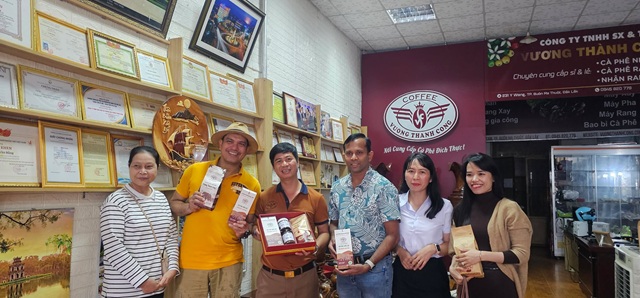
Vuong Thanh Cong’s dedication to quality has earned it numerous awards and certifications, solidifying its reputation as a leader in the industry. The company exports its products to major markets, including the United States, China, and Europe, showcasing the global appeal of Vietnamese coffee. Its ability to innovate has set it apart, with products ranging from traditional coffee blends to unique offerings such as coffee flower-based items and a special wine made from coffee—a testament to the untapped potential of value-added coffee products.
During my visit to the company’s sales centre, I was warmly welcomed and had the unique opportunity to experience its offerings firsthand. From crafting my own cup of coffee to sampling an array of blends, the experience underscored the company’s versatility and dedication to customer satisfaction. Each product tells a story of meticulous care, innovation, and a deep respect for tradition.
Lessons for Emerging Markets
Vietnam’s success in the coffee industry offers valuable lessons for other developing nations, including Sri Lanka. By focusing on value addition, adopting modern technology, and targeting global markets, countries can significantly enhance their agricultural export revenues. The journey of Vuong Thanh Cong demonstrates how strategic investments in quality and innovation can transform a local product into a globally recognised brand.
Vietnam’s coffee industry is more than just a key contributor to the global coffee market; it is a model of economic transformation and innovation. Companies like Vuong Thanh Cong exemplify the potential of leveraging local resources and expertise to achieve international success. For nations aspiring to boost their agricultural sectors, Vietnam provides a blueprint for sustainable growth and global competitiveness.











This article reflects the vital importance and opportunities countries like Sri Lanka can absorb in modernizing its agricultural sector for economic growth.