by A Special Correspondent in Colombo
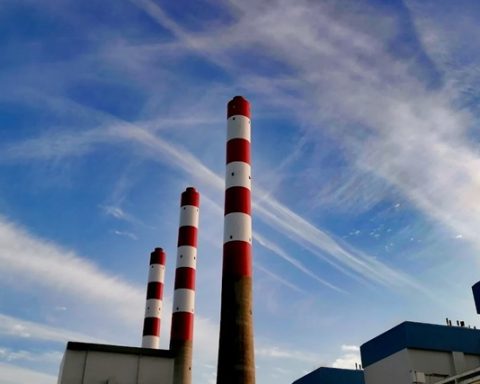
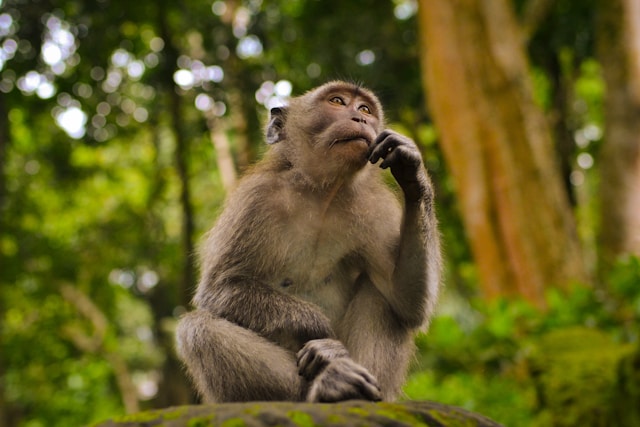
Sri Lanka plunged into total darkness yesterday, and with it, the government’s credibility dimmed even further. What started as an almost laughable explanation—that a monkey had triggered the collapse of the national power grid—quickly morphed into a more familiar script: blame the opposition. The Energy Minister first pointed fingers at an animal, then hours later, discarded that story entirely to accuse the previous government of failure. This pattern of deflection has become the hallmark of an administration that refuses to accept responsibility, instead weaving new narratives to cover its incompetence.
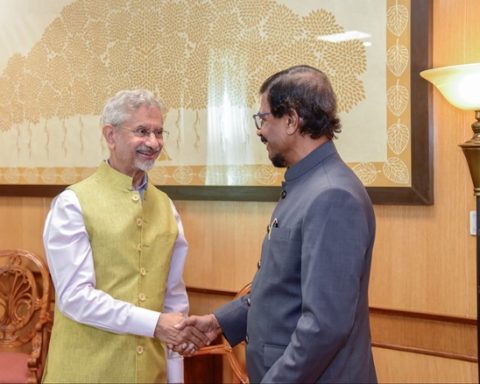
At first, Energy Minister Kumara Jayakody, who has been deeply involved in the Ceylon Electricity Board for decades, offered a bizarre justification for the power failure. “A monkey came into contact with our grid transformer, causing an imbalance in the system,” he claimed. For a moment, it seemed as though the government expected the nation to believe that an animal had single-handedly brought down the electricity supply of an entire island. But as outrage and ridicule mounted, the story changed.
By the evening, the monkey had been erased from the equation. Now, Minister Jayakody had a different explanation: “No plan has been implemented in the past to maintain the balance of the national power system… The unplanned and short-sighted policies of previous governments have led to power outages.” Just like that, the blackout was no longer the result of a clumsy animal—it was the opposition’s fault.
Meanwhile, the Ceylon Electricity Board’s Engineers’ Association provided a far more rational assessment, stating, “The primary reason for this has been identified as the low electricity demand on Sunday afternoon and the relatively low percentage of the total electricity generation generated by solar power, which is relatively unstable.” However, they also pointed out that a full investigation was needed to confirm the exact cause, making it clear that throwing blame around without evidence only adds to public confusion.
But evidence has never been a priority for this government. Whenever faced with a crisis, it instinctively searches for an external scapegoat—whether it be past administrations, foreign influences, economic conditions, or now, even wildlife. The fact remains that Sri Lanka’s power grid has been teetering on the brink of collapse for years, a result of decades of mismanagement, corruption, and failure to invest in necessary infrastructure.