Saudi Arabia has quietly released dozens of political prisoners in recent weeks, a move that has drawn attention from rights groups, as the kingdom seeks to balance its human rights record with its broader political and economic goals. As reported by the Financial Times, the releases, which include both conservative and liberal critics of the regime, come amid growing domestic and international unease over the country’s human rights situation.
Among the notable releases is Salma al-Shehab, a PhD student from the UK who was sentenced in 2022 to 34 years in prison for sharing dissidents’ social media posts on women’s rights. Another is Asaad al-Ghamdi, a 47-year-old teacher who was sentenced to 20 years in prison for similar charges. His brother, a prominent dissident cleric, has been living in exile in the UK. Activists estimate that over 100 prisoners could have been freed, although the exact number remains unclear due to the sensitivity surrounding the cases and the reluctance of families to speak publicly about their detained relatives.
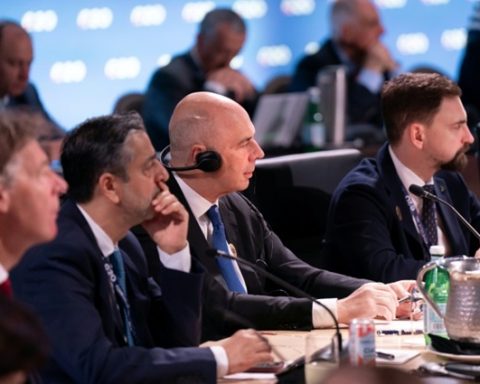
Crown Prince Mohammed bin Salman, the de facto ruler of Saudi Arabia, has been at the helm of a modernization push aimed at transforming the kingdom’s international image, highlighted by events like the recent US-Russia talks hosted in Riyadh. However, despite these ambitious goals, the prince has also overseen a brutal crackdown on dissent over the past decade, which has seen the detention of royals, businessmen, activists, academics, and bloggers critical of the government.
Joey Shea, a researcher for Human Rights Watch, commented that while international campaigns may have played a role in the releases, it is clear that “other political calculations” were also involved. She argued that such harsh sentences, like those for people imprisoned over social media posts, are increasingly seen as detrimental to the kingdom’s business interests. The Saudi government’s information office has not responded to requests for comment.
This recent move comes after Saudi authorities launched a wide-ranging crackdown in 2017, shortly after Crown Prince Mohammed consolidated his power. The purge targeted not only political opponents but also anyone perceived as standing in the way of the prince’s modernization agenda, including conservative clerics and liberal academics. The kingdom’s reputation took a major blow after the murder of journalist Jamal Khashoggi in 2018, but despite this, authorities have continued their repressive actions. Many prominent figures detained in these campaigns, including preachers Nasser al-Omar and Salman al-Ouda, remain in custody.
Crown Prince Mohammed has pushed for economic reforms and social liberalization, such as granting women the right to drive and lifting restrictions on cinemas. However, these moves have been criticized by exiled dissidents, who argue that the kingdom uses such reforms to distract from its ongoing human rights violations. Meanwhile, government supporters defend the crackdown, claiming it was essential to maintaining stability and progress.
Rights groups have expressed concern over the arbitrary nature of the releases and the opaque Saudi judicial system. Some detainees were released without a formal pardon, leading to fears of potential re-arrests. Lina Alhathloul, head of monitoring and advocacy at the human rights NGO ALQST, called the releases “very arbitrary” and highlighted the uncertainty surrounding the terms of release, including lengthy travel bans.
Alhathloul stated, “We hope for a resolution that ensures all political prisoners are freed, that restrictive conditions are lifted, and that every individual can fully participate in Saudi Arabia’s future.” The Financial Times coverage raises important questions about the motivations behind these releases and the broader implications for Saudi Arabia’s path toward reform.