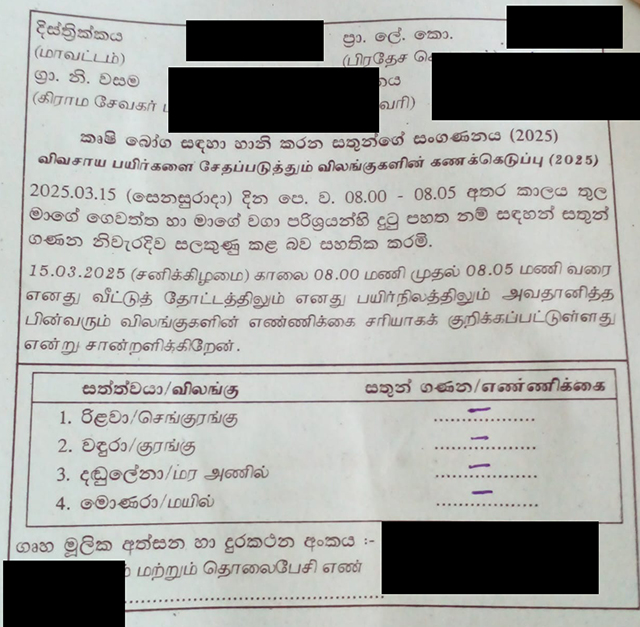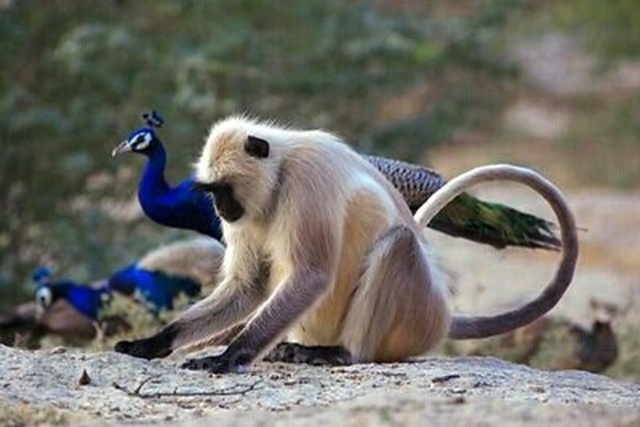
In an unprecedented move that has left citizens bewildered, the Sri Lankan government has called upon every household to partake in a nationwide wildlife census—an initiative requiring people to step outside at precisely 8:00 AM on March 15, 2025, and count the monkeys, apes, peacocks, and, oddly enough, skunks in their vicinity.
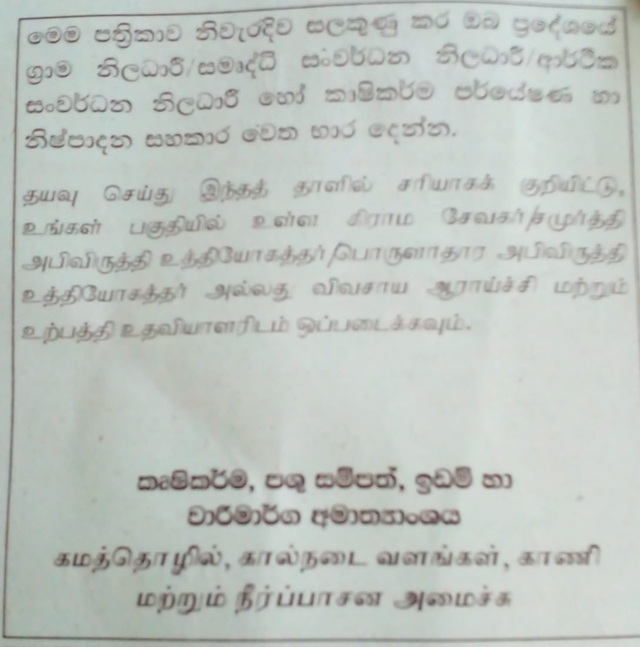
Leaflets printed in Tamil and Sinhala have been distributed to every home, urging citizens to record their findings on designated forms and submit them to their respective Village Officers. This marks the first time in Sri Lanka’s history that such an initiative has been undertaken, sparking both amusement and skepticism among the public.
The directive, which has been met with a mix of curiosity and disbelief, calls for citizens to momentarily set aside their daily routines and turn their attention to the nation’s wildlife. While conservationists argue that this initiative could provide valuable ecological data, many Sri Lankans find themselves puzzled over the government’s choice of species to be counted, especially the inclusion of skunks—a species not known to inhabit the island.
Public reaction has been swift and varied. Social media platforms have been flooded with humorous takes on the initiative, with some questioning whether Sri Lanka is on the brink of a groundbreaking zoological discovery or simply indulging in bureaucratic eccentricity. Others have pointed out the logistical challenges of ensuring accuracy in the count, especially with the unpredictable movements of monkeys and birds.
Despite the skepticism, authorities remain firm on the importance of citizen participation. Officials claim that this count will aid in formulating future conservation policies, although the exact objectives remain somewhat vague.
As the nation prepares for this peculiar census, one thing is certain—March 15 will be a day when Sri Lankans collectively turn their gaze to the treetops, fields, and streets, tallying their non-human cohabitants in an exercise that is as unique as it is unexpected. Whether it turns out to be a groundbreaking ecological effort or simply another chapter in the island’s long history of eccentric governance remains to be seen.