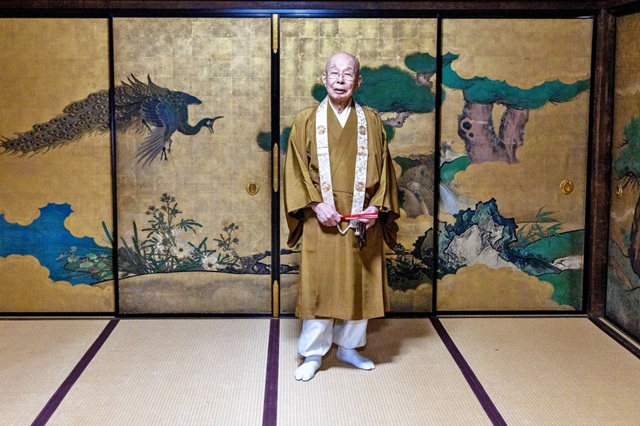
A controversial plan to extend Japan’s high-speed bullet train network beneath the historic city of Kyoto has sparked fierce opposition from the region’s Buddhist temples, who warn that the project threatens the city’s cultural heritage and natural environment. Led by the influential abbot Tainen Miyagi, monks have labeled the proposal a “blasphemy” that could irreversibly damage Kyoto’s delicate balance between tradition and nature.
The dispute centers on a proposed 40-mile tunnel that would run 130 feet underground, linking the town of Tsuruga with Osaka as part of an expansion of the shinkansen rail network. Proponents argue that the new line will strengthen Japan’s infrastructure and ensure an alternative route in case of a major earthquake along the Pacific coast. Shoji Nishida, a politician from the ruling Liberal Democratic Party (LDP) and a vocal supporter of the project, insists that the expansion is necessary to minimize economic damage when—rather than if—a catastrophic quake strikes.
However, critics, including Kyoto’s powerful Buddhist Association, which represents 1,000 temples, reject the rationale for the project. They argue that Kyoto, which is not at high risk from earthquakes, does not need another high-speed rail link, especially when local bus and subway services are already struggling under the strain of mass tourism. Moreover, the city would be expected to contribute a third of the project’s projected ¥3.9 trillion ($26 billion) cost, though some estimates put the final figure even higher.
Beyond financial concerns, opponents fear the impact on Kyoto’s famed water supply. The city’s historic industries, from kimono dyeing and tofu-making to sake brewing, all rely on pristine water sourced from underground reservoirs. Shrines and temples, too, use water for purification rituals and sacred offerings. Miyagi warns that disrupting the natural water table could permanently alter Kyoto’s spiritual and cultural landscape. “When nature is tainted by the hand of men, it is impossible to return it to its pristine state,” he said. “This plan is the greatest barbarism since Kyoto’s foundation.”
The opposition movement gained momentum last summer when the temples launched a petition against the project, aiming to collect 500,000 signatures. Kyoto’s mayor and the governor of Kyoto Prefecture have since hinted at growing skepticism over the plan, further complicating the prospects for approval.
Nishida, increasingly frustrated by the resistance, has dismissed Miyagi and his fellow monks as being driven by ideology rather than facts, even making outlandish claims that Miyagi supports Cambodia’s infamous Khmer Rouge leader, Pol Pot. The abbot, who has visited Cambodia on religious missions, laughed off the accusations, calling them signs of Nishida’s “desperation.”
The debate has caught the attention of international media, including The Times UK, which highlighted Kyoto’s dilemma: whether to embrace modernization at the risk of undermining its centuries-old cultural legacy. As the battle between tradition and progress escalates, the fate of Kyoto’s underground bullet train remains uncertain, with both sides determined to shape the future of one of Japan’s most cherished cities.