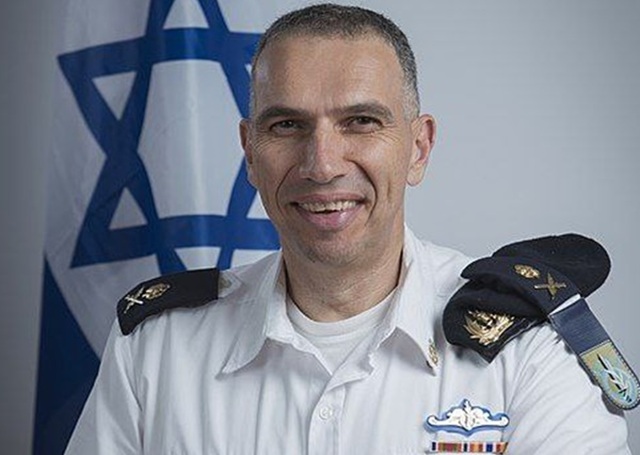
Israeli Prime Minister Benjamin Netanyahu’s controversial decision to appoint former naval commander Eli Sharvit as the next head of the Shin Bet security service has sparked intense debate, both within his coalition and the wider political sphere. According to Haaretz, Netanyahu’s selection of Sharvit is seen as an attempt to secure a figure who will not challenge his authority, particularly as he faces mounting political and legal pressure.
Sharvit’s appointment marks a departure from tradition, as he is an outsider to the Shin Bet and has a naval background rather than experience in intelligence operations. His selection comes amid increasing speculation that Netanyahu could reverse the decision due to pushback from coalition members who criticize Sharvit’s previous opposition to judicial reforms. His past stance against Netanyahu’s efforts to weaken Israel’s democratic institutions has fueled further opposition from within the government.
Sharvit, 60, is the son of Moroccan Jewish immigrants and was raised in Sde Boker, the kibbutz famously associated with Israel’s founding leader, David Ben-Gurion. After enlisting in the Israeli Navy in 1985, he rose through the ranks, eventually commanding the missile boat fleet in 2009 and later overseeing the Haifa naval base, home to Israel’s strategic submarine fleet. He was appointed head of the navy in 2016 by then-Defense Minister Avigdor Lieberman, who has since acknowledged Sharvit’s competence but noted his lack of intelligence experience.
Sharvit retired from military service in 2021 and has since managed companies in the renewable energy sector. His sudden emergence as Netanyahu’s choice follows weeks of uncertainty, with four senior Shin Bet officials previously considered the frontrunners. Netanyahu dismissed current Shin Bet chief Ronen Bar earlier this month, citing a loss of trust, although the Supreme Court is set to review legal challenges against Bar’s removal.
The appointment has been perceived by critics as part of Netanyahu’s broader effort to consolidate control over Israel’s security apparatus. The prime minister has already faced accusations of politicizing law enforcement and weakening democratic institutions, with key figures in the judiciary and intelligence services replaced by individuals seen as more compliant with his agenda. Observers note that the selection of a Shin Bet chief traditionally considers operational experience and leadership within the organization, criteria that Sharvit does not meet.
Netanyahu’s handling of the appointment has fueled broader concerns over his leadership style, particularly his reluctance to make decisive choices without extensive political calculation. His reputation for procrastination has left even his close allies uncertain about his true intentions. Reports suggest he may be attempting to shield himself and his advisers from legal scrutiny, especially as investigations into high-profile corruption cases continue.
Haaretz further highlights that the backlash against Sharvit’s appointment extends beyond the opposition, as members of Netanyahu’s own coalition question whether he is the right candidate to lead Israel’s internal security at a time of heightened tensions. Given that Sharvit previously signed a petition against Netanyahu’s judicial overhaul and has publicly criticized former U.S. President Donald Trump’s climate policies, it remains unclear whether he will align with Netanyahu’s political interests or maintain independence once in office.
As the controversy unfolds, Netanyahu faces a critical choice: proceed with Sharvit’s appointment or bow to political pressure and withdraw his nomination. The decision will have significant implications for Israel’s intelligence leadership and could further deepen the divisions within Netanyahu’s fragile coalition.