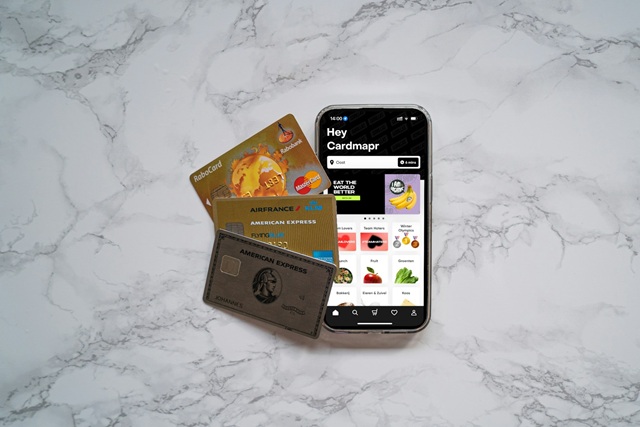
Nearly one-third of all domestic digital payments in India this year have been credit-driven, powered by credit cards and equated monthly instalments (EMIs), according to a recent survey analysing transaction data from over 20,000 merchants. The findings highlight a growing reliance on consumer credit for daily and high-value expenses, even as regulators seek to curb surging household debt.
The report, released by fintech firm Phi Commerce, sheds light on the changing dynamics of digital spending in the country. While the Unified Payments Interface (UPI) continues to dominate the digital landscape—accounting for 65% of total transaction volumes—credit-based tools are rapidly gaining ground, particularly in big-ticket categories such as education, healthcare, and auto ancillary services.
“This shift signals a broader transformation in consumer behaviour,” said Rajesh Londhe, Co-founder and Head of Payments at Phi Commerce. “India’s digital payments evolution is reshaping financial possibilities—empowering consumers to spend smarter, plan better, and dream bigger. As UPI and flexible credit options become mainstream, the future belongs to those who leverage these tools responsibly to drive inclusive growth and financial resilience.”
The report notes that seasonal trends, including festive shopping and school admissions, trigger spikes in credit usage, as more consumers lean on short-term financing during high-spend periods. Increasingly, structured credit options are being used to finance school fees, medical expenses, and large e-commerce purchases.
According to the data, credit-driven payments now represent a notable share in key sectors: 10% in education, 15% in healthcare, and 15% in auto ancillary. This indicates a shift from outright affordability to phased, manageable spending—pointing to a deeper change in how Indian households approach financial planning.
However, the surge in credit-based spending comes at a time when financial authorities are tightening regulations to rein in consumer borrowing and control household debt levels. Policymakers have voiced concerns about credit being used more for consumption than for asset creation, which could strain financial stability over time.
The report concludes that while UPI remains the default choice for everyday purchases—particularly in retail, food services, and government payments—India’s evolving digital ecosystem is increasingly shaped by a hybrid model of instant payments and strategic credit use.