Amid heightened geopolitical tensions with Pakistan, India is witnessing a sweeping wave of economic, travel, and cultural boycotts targeting not only its traditional rival but also countries seen as aligned with Islamabad — including Turkey and Azerbaijan.
The fallout comes in the wake of a violent attack in India’s Kashmir region, where 26 civilians were killed by gunmen, sparking a brief but intense military escalation between the two nuclear-armed neighbors. Although a ceasefire was reached on May 10, the diplomatic repercussions continue to unfold.
According to Bloomberg, Indian merchants, travel platforms, and even government bodies have started to disengage from business and cultural ties with Pakistan and its allies, as public sentiment hardens.
Trade Curbs Expand
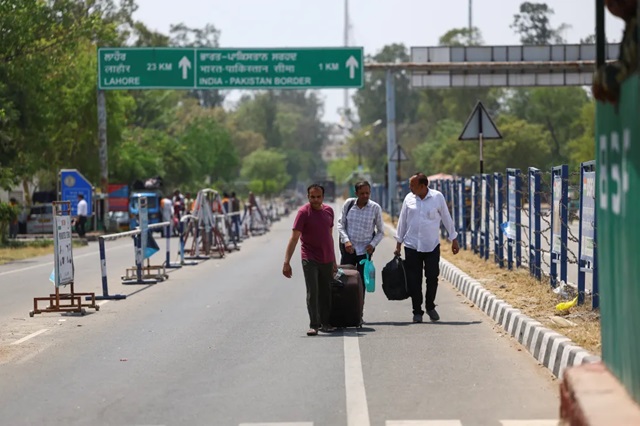
The Indian government imposed a sweeping ban on all imports from Pakistan — including goods transiting through the country — via a notification issued on May 2. This decision has been reinforced by the Confederation of All India Traders (CAIT), which announced it would halt all imports from Turkey and Azerbaijan and stop exports to those countries as well.
Bilateral trade between India and Turkey reached approximately $10.4 billion in the financial year ending March 2024. However, consumer-level boycotts are already underway. Local reports indicate Indian merchants are refusing to purchase Turkish apples and marble, and jewelers in Lucknow have stopped selling popular Turkish jewelry items.
Travel Sector Hit Hard
The backlash has extended to travel, with bookings to Turkey and Azerbaijan reportedly plummeting by 60%, while cancellations have surged 250%, according to MakeMyTrip Ltd. Travel agencies including Ixigo, Easy Trip Planners, and Cox & Kings have also suspended promotional campaigns and services related to the two countries.
“We strongly support this sentiment and advise against all non-essential travel to Azerbaijan and Turkey,” a MakeMyTrip spokesperson said.
Aviation and Airport Operations Targeted
The Indian aviation ministry has revoked the security clearance of Turkish ground-handling company Celebi Hava Servisi AS, barring it from operating at Indian airports. The company previously had contracts at major airports including New Delhi, Mumbai, and Ahmedabad. The decision was taken on national security grounds, the ministry stated without further detail.
Separately, Air India has reportedly urged the government to stop its competitor IndiGo from renewing its aircraft leasing and codeshare partnership with Turkish Airlines, as per documents cited by Reuters.
Cultural and Digital Retaliation
Indian authorities have also clamped down on cultural symbols and digital platforms associated with Pakistan. According to Bloomberg, the Central Consumer Protection Authority instructed online marketplaces such as Amazon, Flipkart, and Etsy to remove Pakistani flags and related merchandise.
Popular Pakistani actors have also been digitally erased from Indian media. In one instance, a Pakistani actress was removed from the thumbnail of a music video from a Shah Rukh Khan film on YouTube, media reports said.
On the tech front, Indian officials have blocked YouTube channels run by Pakistani cricketers, including Shoaib Akhtar, and several Pakistani news outlets. X (formerly Twitter) revealed that it received executive orders from the Indian government to block over 8,000 accounts, with non-compliance risking fines and jail time for local staff.
Local businesses with perceived links to Pakistan have come under pressure. Karachi Bakery, a well-known brand based in Hyderabad, has reportedly faced vandalism and boycotts over its name — despite having no actual connection to Pakistan.
A Rising Nationalist Tone
CAIT has gone a step further by urging Indian filmmakers and companies to refrain from shooting advertisements or films in Turkey, adding a cultural dimension to the broader boycott campaign.
The ongoing measures reflect India’s increasingly assertive posture in the region, as public and private sectors align in response to perceived threats and political statements made by rival states.