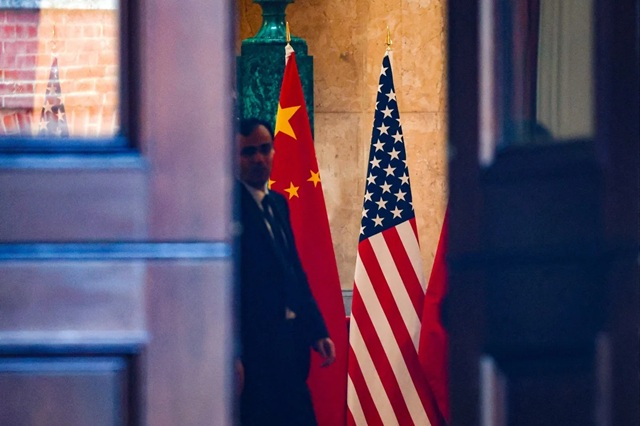
In a significant development aimed at easing long-standing trade tensions, the United States and China have reached what the President Donald Trump called a “done deal,” encompassing tariff reductions, rare earth exports, and student exchange agreements.
Trump made the announcement Wednesday on his social media platform, Truth Social, following two days of high-stakes negotiations between U.S. and Chinese delegations in London. The talks mark the latest attempt by the world’s two largest economies to stabilize relations and rebuild trust after months of mutual accusations over trade deal violations.
“Our deal with China is done, subject to final approval with President Xi and me,” Trump posted, signaling that both sides have reached a preliminary agreement that awaits formal sign-off at the highest levels.
Key elements of the agreement include a commitment by China to supply the U.S. with “full magnets, and any necessary rare earths” upfront—critical materials used in everything from electric vehicles to defense systems. In return, the U.S. has agreed to facilitate the entry of Chinese students into American colleges and universities, a move Trump described as “always good with me!”
The tariff terms, as outlined in Trump’s statement, suggest the U.S. will impose a 55% tariff rate on certain Chinese goods, while China will reciprocate with a 10% rate—though analysts noted the discrepancy could be a subject of further negotiation or political framing.
Trump’s announcement comes on the heels of a recent phone call with Chinese President Xi Jinping, which reportedly helped restore momentum ahead of the London talks. The discussions culminated in a joint declaration that both sides had agreed “in principle” to a framework that now returns to Washington and Beijing for final approval.
The proposed deal is also expected to revive the trade ceasefire signed in Geneva last month, which had shown signs of unraveling amid accusations of non-compliance and political posturing on both sides.
While many details remain to be confirmed by official channels, the announcement marks a rare moment of cooperation in a bilateral relationship often defined by economic rivalry and geopolitical tension.
Markets responded positively to the news, with shares in key technology and manufacturing sectors seeing an uptick amid renewed hopes of supply chain stability and improved U.S.–China economic relations.