A dramatic explosion rocked SpaceX’s Starbase facility in Boca Chica on Thursday night after a prototype Starship spacecraft experienced what the company called a “major anomaly” during routine test preparations. The incident sent a massive fireball sweeping across a section of the base known as Massey’s, sparking a large blaze and dealing a significant blow to the company’s ambitious spaceflight program.
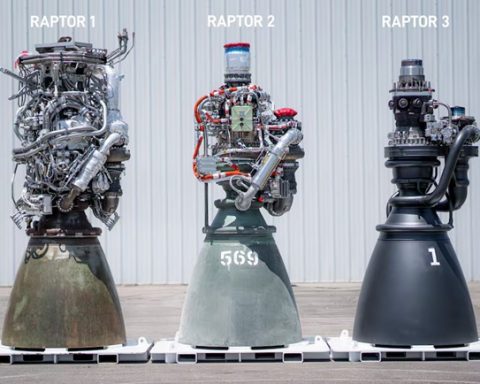
According to SpaceX, the explosion occurred shortly after 11 p.m. Central Time as teams were fueling the Starship — designated Ship 36 — with approximately 1,200 tonnes of liquid oxygen and methane in preparation for a static fire test, a key procedure used to validate engine performance and ground systems. The vehicle was about 15 minutes away from firing its six Raptor engines when the anomaly occurred.
“A safety clear area around the site was maintained throughout the operation and all personnel are safe and accounted for,” SpaceX said in a statement. “Our Starbase team is actively working to secure the test site and the immediate surrounding area in conjunction with local officials. There are no hazards to residents in surrounding communities.”
While no injuries have been reported, the explosion and subsequent fire are expected to cause extensive damage to the Starbase infrastructure. Observers have noted that recovery from the incident could take months, potentially delaying the program’s development timeline.
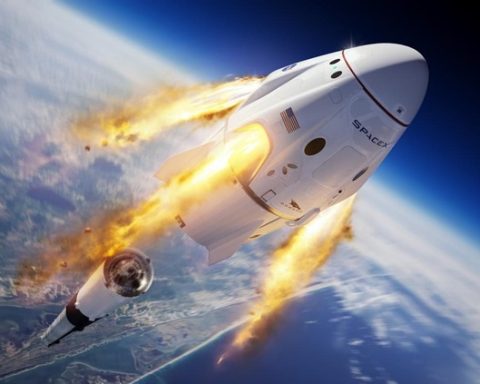
The failure marks a significant setback for SpaceX’s Starship program, a cornerstone of CEO Elon Musk’s vision to make space travel more accessible and ultimately enable human missions to the Moon and Mars. Starship is a fully reusable two-stage launch system, composed of a 50-meter spacecraft mounted atop a 71-meter Super Heavy booster.
Nasa is counting on a modified version of Starship to land astronauts on the Moon as part of its Artemis program — the first crewed lunar landing since 1972. That mission has already faced delays, with its target launch date recently pushed back from 2026 to 2027 due to issues with both NASA’s Orion capsule and Starship’s human landing system.
SpaceX’s iterative development model — which emphasizes rapid prototyping, aggressive testing, and continuous redesign — has led to at least 11 significant Starship-related failures to date. However, Thursday’s explosion is being described as one of the program’s most serious setbacks.
“This is probably the low point of the Starship program so far,” said Jack Beyer of NASASpaceflight, a popular YouTube channel dedicated to spaceflight. “We all feel dreadful for everyone at SpaceX right now and everyone that wants to get boots on the Moon … and eventually, boots on Mars.”
Ship 36 was slated for a full launch later this month. Fortunately, the spacecraft had not yet been integrated with the Super Heavy booster at the time of the incident.
SpaceX has not yet released details about the cause of the explosion or a timeline for resuming testing at Starbase. Investigations are ongoing.