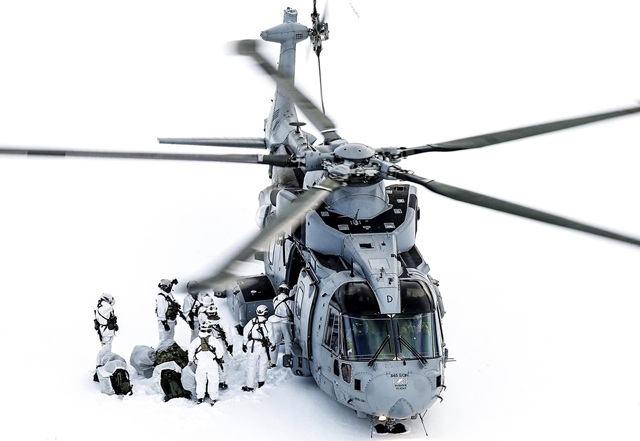
The upcoming NATO summit in The Hague on Tuesday is shaping up to be the most crucial gathering of the year for the 32 member states, especially given heightened European concerns over defence and the openly hostile stance of US President Donald Trump towards the 76-year-old military alliance. According to the Financial Times, the event also faces potential disruption from Spain, which threatens to complicate proceedings.
Optimists hope the summit will restore faith in NATO’s relevance. Dutch Prime Minister Mark Rutte, the alliance’s chair, has recently deployed skilled diplomatic efforts to improve the chances of a positive outcome. It is anticipated that the member states will agree to raise their defence spending targets significantly—from the current benchmark of 2% of GDP to 3.5%, with an additional 1.5% earmarked for infrastructure improvements.
For European nations, the challenge will be convincing domestic electorates to accept such substantial increases in defence budgets amid economic pressures.
Following the NATO talks, many of the European leaders (with the UK notably absent) will convene in Brussels for an EU summit largely dedicated to reflecting on the defence discussions. Should the NATO meeting fail to produce consensus, these countries may be forced to reconsider their strategic approaches to security and defence cooperation.
Meanwhile, the EU-Canada trade summit will take place in Brussels, a development made more relevant by President Trump’s disruption of global trade alliances. While the summit is not expected to yield groundbreaking outcomes, it is notable that the two sides plan to sign an agreement to participate in the “re-arm Europe” defence procurement initiative.
Amid these high-profile gatherings, ongoing conflicts around the world continue to dominate global headlines, though they remain unpredictable. Financial Times subscribers are invited to join a webinar on Wednesday titled, The Israel-Iran war: how far will it go?, featuring FT journalists and expert guests discussing the unfolding crisis.
This week also marks the 80th anniversary of the Korean War, a conflict that technically remains unresolved, serving as a sobering reminder of long-standing geopolitical tensions.
On the economic front, central bankers will be prominent speakers throughout the week, with economic data releases limited. Among these, the purchasing managers’ index (PMI) reports comparing major economies will attract close attention.
Earnings season is winding down but still features major reports from global brands like Nike and H&M. However, headlines may be driven by developments beyond financial filings. For example, Tesla CEO Elon Musk announced on 10 June via X (formerly Twitter) that the company plans to deliver a vehicle directly from its Austin, Texas factory to a customer’s home—a milestone coinciding with Musk’s 54th birthday.