Hong Kong tycoon Li Ka-shing’s CK Hutchison Holdings is facing mounting legal and geopolitical pressure as the Panamanian government moves to challenge the legitimacy of its long-standing ports contract, prompting concerns over the future of the conglomerate’s global port divestment deal valued at US$23 billion.
According to reporting by the South China Morning Post, Panama’s president Jose Raul Mulino has publicly floated the possibility of transitioning the ports under CK Hutchison’s control to state-linked partnerships, pending a Supreme Court ruling on the legality of the contract renewal. The announcement has reignited tensions in a deal already entangled in U.S.-China rivalry and prompted warnings from legal experts of potential “significant financial, operational and reputational losses” for the Hong Kong-based conglomerate.
Legal Battle Over the Canal
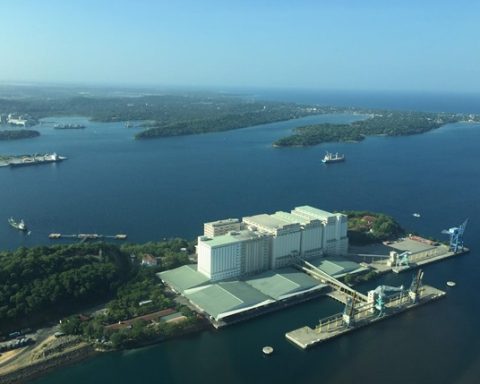
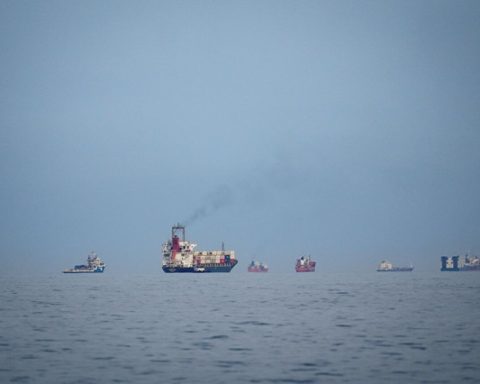
At the center of the dispute is CK Hutchison’s 90% stake in the Panama Ports Company (PPC), which operates the Balboa and Cristobal ports at either end of the Panama Canal. The company’s original 25-year concession was renewed in 2021, but the renewal process is now under legal challenge by Panama’s comptroller general, who filed two lawsuits this week alleging procedural violations.
President Mulino, while calling the nationalization plan “a draft,” has made clear that he no longer sees the continuation of the current contract as viable. “We will wait for the verdict,” he said Thursday, adding that a state-partnership model could extend to other strategic resources, such as mining.
In response, PPC issued a statement Friday stressing the importance of legal integrity: “We firmly believe that respect for legal protection and the rule of law are essential in order to provide businesses and investors with the certainty that Panama is a safe country to invest in.”
The company reiterated its commitment to “respectful coordination and constructive consultations” with Panamanian authorities, affirming that it aims to work closely with the government to determine a path forward for PPC and its role in supporting Panama’s development.
Rising Stakes in a Geopolitical Chess Game
The port dispute has escalated against the backdrop of intensifying competition between Washington and Beijing. Hui Ching, research director of the Hong Kong Zhi Ming Institute, told the South China Morning Post that the timing of Panama’s legal action appeared favorable to U.S. interests, raising the possibility that if the contract is annulled, a U.S. or allied firm could acquire the operations through a retendered process.
Panama, once an ally of Taiwan, established diplomatic relations with Beijing in 2017 and joined China’s Belt and Road Initiative the same year. However, earlier this year, Mulino announced Panama’s withdrawal from the BRI following a high-profile visit by U.S. Secretary of State Marco Rubio.
Analysts say this political pivot raises questions over whether Panama is re-aligning itself with Washington amid concerns over Chinese influence at a vital global trade chokepoint.
Lau Siu-kai, a consultant at the Chinese Association of Hong Kong and Macau Studies, argued that Beijing’s main interest is not in holding port assets but in ensuring fair access for Chinese shipping companies. “If the Panama authorities assure Beijing that the Panama Canal will remain politically neutral and Chinese companies will not be discriminated against, that will be sufficient to ease concerns in Beijing,” he said.
Financial Implications and Legal Paths
The risks to CK Hutchison are extensive. Shanghai-based legal experts told the South China Morning Post that the company could face nearly US$1 billion in asset impairments and reputational damage if the contract is voided.
Qi Pengshuai, a partner at Tsinglaw Partners, warned that shifting port operations to public-private partnerships in Panama would require a public tender and potentially 12 to 18 months for legislative financing approval. Xiang Fangliang of the Shanghai BeautyValley Law Firm added that the company could also face litigation or breach-of-contract claims tied to the disruption of the sale.
Despite differing views on the merits of Panama’s legal challenge, both Qi and Xiang agreed that CK Hutchison still has legal avenues if the ruling goes against it, including domestic appeals and international arbitration.
The company, which is selling its stakes in 43 ports globally, had been in advanced negotiations with BlackRock and shipping giant MSC to finalize the deal by July 27. However, the Panama controversy now casts uncertainty over the timeline.
Beijing has voiced strong opposition to the sale, citing national security concerns. China’s antitrust regulator recently announced a review of the deal, saying it must “protect fair competition” and safeguard public interests.
In a bid to ease political sensitivities, CK Hutchison recently stated it was in talks to include a “major strategic investor” from mainland China in the acquisition consortium.
Looking Ahead
As the legal and diplomatic standoff intensifies, the outcome of the Panamanian Supreme Court’s decision may have far-reaching implications—not only for CK Hutchison’s global divestment strategy but also for the broader contest for influence over critical infrastructure along the Panama Canal.
While CK Hutchison insists on the importance of rule of law and constructive dialogue, it now finds itself navigating one of the most politically sensitive flashpoints in the global logistics landscape—where legal judgments, national interests, and global rivalries collide.