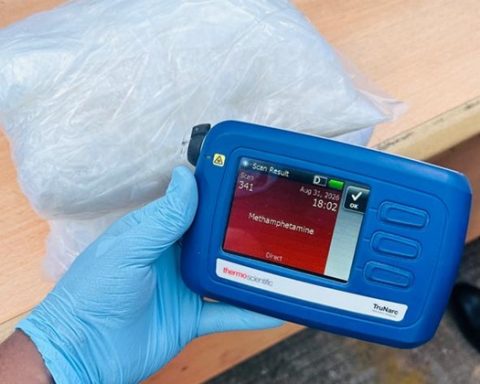
Latin America is witnessing an unprecedented surge in organized crime as drug cartels expand their operations and diversify into a range of illicit activities, according to reporting by the Financial Times. Once confined to the cocaine-producing nations of Colombia, Peru, and Mexico, the influence of these criminal networks now stretches across the continent, reshaping economies, governance, and public safety.
In the remote reaches of the Brazilian Amazon, the Ticuna tribe has long defended its territory against loggers and illegal miners. But recent activity by drug traffickers has introduced a new and more sophisticated threat. Major Jonatas Soares, regional military police commander, recounts how drones were used to monitor cocaine storage in the village of Ourique, west of Manaus. “Traffickers were stopping off there, storing their cocaine and then putting drones up to check what was going on before continuing their journey,” Soares said.
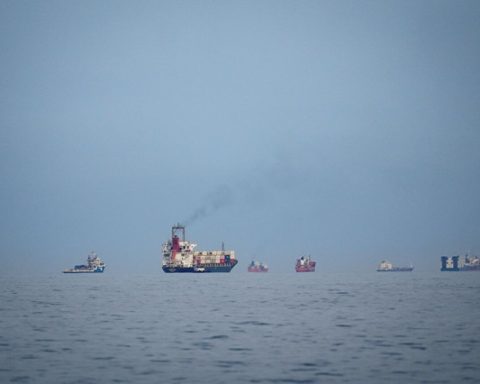
The upper Amazon has effectively become a superhighway for cocaine exports to Europe—the world’s fastest-growing cocaine market. Brazilian authorities report that every week, tonnes of the drug flow from clandestine labs in Peru and Colombia down the Amazon to Manaus and Belém, then onward to Europe and Africa. Traffickers employ everything from small motorboats to semi-submersible “narco-subs,” capable of carrying several tonnes of cocaine.
“The global cocaine business is booming like never before,” Soares said. “Imagine buying directly from the coca producers for $300 a kilo and then selling a refined kilo for €60,000 in Europe. That changes the life of the guy who’s trying his luck bringing it.”
The financial clout of Latin America’s cartels is now fueling diversification into other criminal markets, including gold smuggling, human trafficking, and weapons. Jeremy McDermott, co-founder of Insight Crime, described 2024 as the most lucrative year for organized crime in the region, with cocaine, gold, and human trafficking driving unprecedented profits.
Violence once concentrated in drug-producing nations has spread continent-wide. Costa Rica, Uruguay, and other historically peaceful nations are now contending with gang wars, shootouts, and turf battles fueled by the cocaine trade. In Uruguay’s capital, Montevideo, violent conflicts over cocaine storage and transit have escalated, producing the most violent five-year period in the country’s history.
Brazil’s homegrown cartels, notably the Primeiro Comando da Capital (PCC) and Comando Vermelho (CV), have grown in both scale and international reach. Analysts warn that their integration into legitimate businesses and municipal governance could make Brazil vulnerable to a “narco-state” scenario if authorities fail to act decisively.
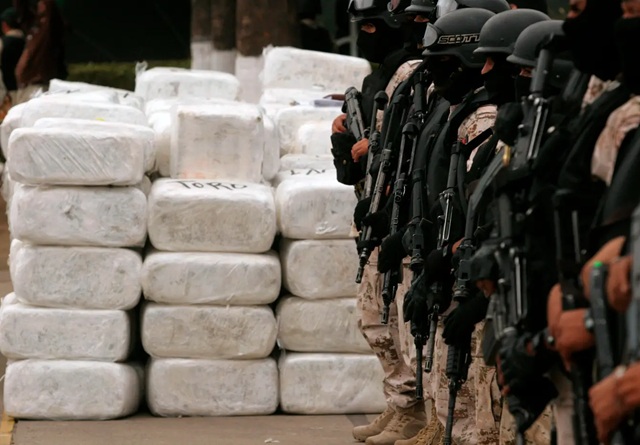
Meanwhile, Mexico’s Sinaloa cartel and Jalisco New Generation cartel continue to wield deadly power, with annual deaths reaching tens of thousands, often linked to control of ports critical for the cocaine and fentanyl trade.
US responses have included unilateral military measures and designations of Latin American cartels as foreign terrorist organizations, creating tensions with governments concerned about sovereignty. While the Trump administration has intensified operations against traffickers, experts caution that regional cooperation remains essential to combating the continent-wide threat.
Former Costa Rican President Laura Chinchilla described organized crime as “the main threat to the institutional stability of our nations,” stressing that no country in Latin America can escape its influence. Analysts suggest that long-term solutions will require balancing law enforcement with sustainable, institutional frameworks rather than relying solely on repression.
As the region grapples with the escalating power of organized crime, the stakes for governments, citizens, and international partners have never been higher. The Financial Times series on this issue underscores the growing sophistication, violence, and economic impact of Latin America’s drug cartels, highlighting a crisis that is as complex as it is urgent.