A notorious group of Russian-speaking hackers known as Qilin has claimed responsibility for a ransomware attack that brought Asahi Group Holdings Ltd., Japan’s largest beer maker, to its knees for more than a week. The cyber gang alleged on its website that it had stolen around 27 gigabytes of data, including financial records, internal contracts, development forecasts, and employee information. Bloomberg, which reported the incident, said it could not independently verify the authenticity of the hackers’ claims.
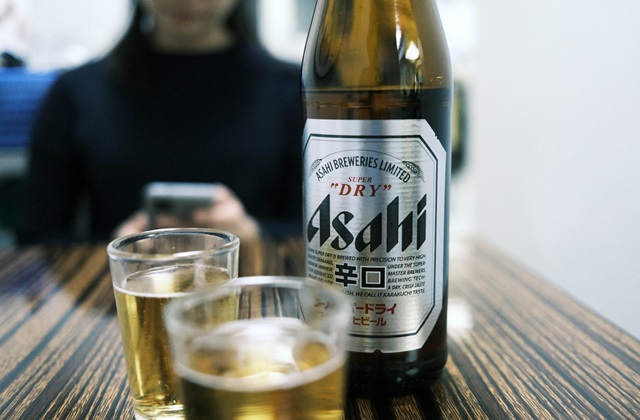
Asahi, the maker of the popular Asahi Super Dry, confirmed it is investigating the breach but declined to provide further details. The company’s operations were severely disrupted, forcing a temporary shutdown of most of its 30 factories across Japan and paralyzing its distribution network. Asahi has since managed to restart at least six plants, but the timeline for a full system recovery remains uncertain. Employees have resorted to processing orders manually, over the phone, as digital systems remain compromised.
The attack highlights Japan’s growing vulnerability to cyber threats, where disruptions to a single major company can reverberate through the nation’s tightly interconnected supply chains. The Asahi breach follows a global surge in ransomware incidents affecting industries ranging from healthcare to automotive manufacturing. Such attacks often leave companies weighing the heavy costs of ransom payments against the potential exposure of sensitive data.
Qilin, which has been active since mid-2022, has claimed responsibility for targeting over a hundred companies across more than a dozen countries. The group gained international notoriety after a $50 million ransomware assault on the UK’s Synnovis hospital lab network in 2024, which resulted in hundreds of canceled medical operations. The hackers typically employ a “double extortion” tactic — encrypting victims’ files to block access while simultaneously threatening to publish stolen data if ransom demands are not met.
It remains unclear whether Asahi refused to pay Qilin’s ransom demands. The hackers’ online post included screenshots allegedly showing stolen files, suggesting negotiations may have failed. As cyberattacks continue to evolve, the Asahi incident serves as a stark reminder of the escalating digital risks confronting even the most established global brands.