Social media platforms including Facebook, X (formerly Twitter), and TikTok have been accused of exploiting users’ anger and outrage to boost engagement, according to whistleblowers and a BBC investigation highlighted by Times UK. Former employees say that algorithms prioritise content likely to provoke strong reactions, often at the expense of user safety and public well-being, creating a “rage-based business model” that spreads harmful material.
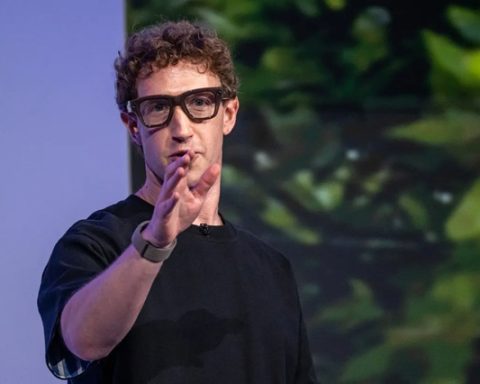
Matt Motyl, a former senior researcher at Facebook and Meta, described how executives, including Mark Zuckerberg, rushed to develop Reels to compete with TikTok, even though the video format produced significantly higher levels of bullying, hate speech, and violent content than users’ normal feeds. Internal teams focused on protecting users faced resistance from product managers incentivised to maintain engagement. “The political content that gets the most engagement is typically misinformation… it’s typically very toxic,” Motyl said, noting that Meta’s priority was keeping users on the platform to maximise ad revenue.
Former Twitter employees raised similar concerns. Lisa Jennings Young, head of design, trust, and safety at Twitter from 2019 to 2022, described the platform as a “rage-based business model,” while Marc Burrows, formerly on Twitter’s curation team, said Elon Musk removed safeguards designed to limit the spread of unverified or harmful content. Burrows highlighted the Southport riots, where unverified posts about the attacker circulated widely, contributing to public unrest. He said Musk’s control over the algorithm allowed selective amplification of content, calling it “complete gaming of freedom of speech.”
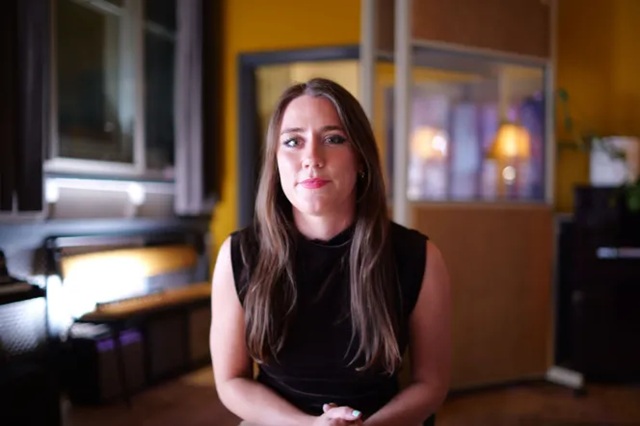
The BBC’s social media investigations correspondent Marianna Spring reported on the issue in a documentary, interviewing former employees and engineers at TikTok, Meta, and X. One anonymous TikTok trust-and-safety worker described being instructed to allow borderline harmful content to appear for engagement purposes, including posts linked to terrorism, sexual violence, abuse, and trafficking. Ruofan Ding, a former machine learning engineer at TikTok, said that subtle conspiracy theories and problematic content became more visible as the platform’s recommendation algorithms evolved, particularly after extended browsing sessions.
Spring’s reporting also highlighted how Meta’s internal documents revealed the company measured success by outrage, showing that posts generating negative comments were more likely to get traffic. An anonymous Meta engineer said the pressure to compete with TikTok caused paranoia and reactive decision-making, leading to an incremental allowance of risky content. Motyl emphasised that algorithms were designed to prioritise posts that kept users engaged, which often included toxic or polarising material, creating a feedback loop that benefited ad revenue over user safety.
Social media platforms defended their actions. TikTok said user safety is “our most important work,” noting it removed almost 90 million underage accounts and implemented automatic protections for teens. X said it had open-sourced its algorithm to promote healthy conversation, while Meta stated it had strict policies and safety measures, including monitoring millions of Reels globally for violations.
Times UK reports that the whistleblower revelations, combined with Spring’s BBC documentary, underscore the societal impact of engagement-driven algorithms. Teenagers and other vulnerable users can be exposed to harmful content for hours, despite reporting it or trying to block it. One whistleblower warned parents to keep children away from the apps whenever possible, arguing that the platforms are deliberately designed to be addictive.