War reached the heart of Beirut before dawn, shattering any illusion that the conflict would remain confined to border areas. At 5.30am, residents were jolted awake by the roar of Israeli jets followed by a devastating explosion that brought down a ten-storey building near parliament. According to reporting cited by Times UK, this marked a significant escalation, as strikes hit central districts rather than the usual areas in the capital’s southern suburbs or the south.
The attack was part of an intensifying campaign that has killed hundreds across Lebanon in recent weeks, including senior figures linked to Hezbollah’s media operations. Entire apartment blocks have been reduced to rubble, and the war has displaced around a million people, forcing families to flee from the south and the capital alike. Israel’s military push, including a ground incursion near the border, has deepened the humanitarian crisis while expanding the scale of destruction.
Yet the reaction inside Lebanon is far from unified. While anger toward Israel’s bombardment is widespread, there is also growing resentment toward Hezbollah, the Iranian-backed paramilitary group whose rocket fire into Israel helped trigger the escalation. Many Lebanese now find themselves caught between condemnation of external aggression and frustration at a domestic actor they accuse of dragging the country into another devastating conflict.
This tension reflects a broader shift in attitudes. Hezbollah, once widely seen by its supporters as a resistance force, is facing increasing criticism from political figures and segments of the public. Some lawmakers argue that its actions have provided Israel with justification for a large-scale assault, worsening an already fragile national situation. Calls are growing for the Lebanese state to assert greater control, including dismantling Hezbollah’s military capabilities and financial networks.
Hezbollah leaders reject such accusations, insisting that their actions are defensive and necessary in the face of continued Israeli violations. They point to previous ceasefire breaches and ongoing strikes as evidence that restraint was no longer possible. On the ground, the group continues to present itself as a vital emergency force, deploying ambulances and aid teams to areas hit by bombings, even as Israel accuses it of using civilian infrastructure for military purposes.
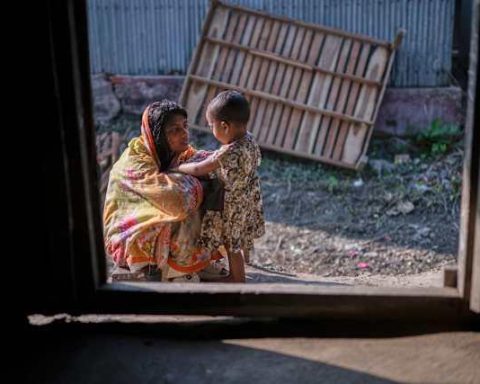
The humanitarian toll is mounting rapidly. Hospitals in southern Lebanon are overwhelmed with casualties, treating hundreds of wounded civilians as fears grow that medical facilities themselves could become targets. Emergency workers describe a war far more intense than previous conflicts, with little hope of immediate de-escalation. Civilians, including migrant workers and families living in makeshift housing, have been among the hardest hit, often with no clear explanation as to why their homes were targeted.
Stories of loss are becoming tragically common. In the Bekaa Valley, a family of agricultural workers saw their shelter destroyed by a missile strike, killing multiple relatives and leaving survivors struggling to understand why they were targeted. Analysts suggest that advanced surveillance and data tracking may play a role in identifying targets, raising concerns about the accuracy and consequences of such methods in densely populated areas.
As the war drags on, its social impact is becoming increasingly visible. Sectarian tensions are rising, particularly as displaced communities seek refuge in other parts of the country. Some reports indicate that residents are reluctant to host those fleeing conflict areas for fear they may be linked to Hezbollah and therefore attract further strikes. This growing mistrust threatens to deepen divisions within an already fragile society.
Meanwhile, the broader geopolitical context looms large. Analysts suggest that Hezbollah’s involvement is closely tied to Iran’s regional strategy, particularly at a time when Tehran faces mounting pressure. This perception has further complicated public sentiment inside Lebanon, where many fear that their country is once again being used as a battleground for wider conflicts beyond its control.
Despite the devastation in the south and parts of Beirut, life continues in other areas of the country, creating a stark contrast between war and relative normalcy. In northern regions, daily routines persist even as smoke rises on the horizon. Yet for those directly affected, any sense of security has been shattered. Many who fled violence in one area now find themselves under threat once again, as the conflict expands unpredictably.
For many Lebanese, the central question is no longer just how the war will end, but whether the country can recover from yet another cycle of destruction. With anger directed at both Israel’s military campaign and Hezbollah’s role in provoking it, the conflict is reshaping public opinion in ways that could have lasting political consequences. As one displaced resident put it, the war is no longer something happening elsewhere—it is following them wherever they go.