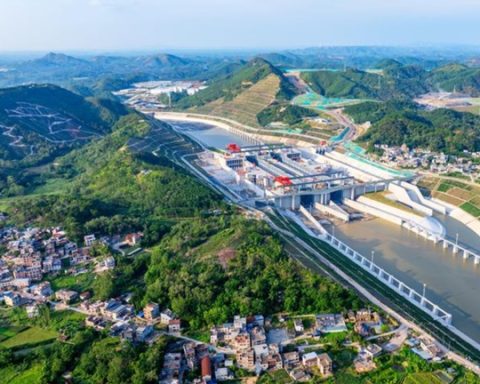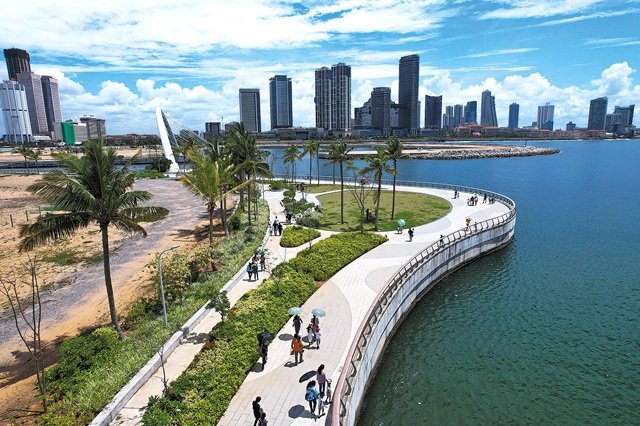
China began establishing Special Economic Zones (SEZs) in foreign countries as part of its Belt and Road Initiative. When China launched these zones across Asia, Western media warned host countries that the special exemptions and privileges granted to these SEZs could eventually turn them into Chinese enclaves or place them under the control of Chinese mafia networks. Similar concerns were raised when Sri Lanka’s Port City project was launched. The United States also warned successive Sri Lankan governments that the relaxed regulations and special legal framework governing the Port City could make it a haven for money laundering and other illicit activities. However, neither the Rajapaksa administration that initiated the project, nor the Sirisena-Wickremesinghe government that opposed it, nor the current Anura administration has paid much attention to those warnings.
When China built the Sihanoukville Special Economic Zone in Cambodia, the country’s opposition warned that it would become a hub for transnational organised crime. The Cambodian government dismissed those allegations, assuring the public that the Chinese-funded SEZ would transform Cambodia into a prosperous nation.
It did not take long for those fears to materialise. Sihanoukville became an operational base for Chinese mafia groups, with cybercrime emerging as the most significant activity. Human trafficking and money laundering also became widespread. Over time, the area came to be known as “Chinatown”, effectively turning into a stronghold for Chinese nationals who entered the country on visas and violated their visa conditions.
China also established a Special Economic Zone in Myanmar under its Belt and Road Initiative, known as the Kyaukpyu Economic Zone. The Golden Triangle Special Economic Zone in Laos was developed with Chinese support under the same initiative. Today, these SEZs have become major challenges for their host countries, with cybercrime, drug trafficking, and illegal gambling flourishing within them. Chinese criminal syndicates are known to use these zones as bases for large-scale cyber scam operations.
In recent years, Sri Lanka deported around 1,000 Chinese nationals allegedly involved in cyber scam operations. Last week, the alleged leader of a Chinese mafia group operating in the Port City was reported to have been killed. Information has already emerged linking him to cyber scam activities. According to reports, Sri Lankan police intelligence has already warned the government that the activities of Chinese mafia groups in the Port City have become a serious security concern. However, it remains unclear what action the Sri Lankan government intends to take in response.