Countries have restored 124.3 million hectares of degraded land under United Nations-backed efforts, an area roughly twice the size of France, but the figure represents only 10.4% of their collective national restoration pledges, according to a study published on Friday by the International Union for Conservation of Nature.
The findings highlight a substantial gap between international commitments and progress in restoring land damaged by environmental pressures including wildfires and drought. Scientists say human-induced climate change has made such events more likely, increasing pressure on ecosystems already facing degradation.
The report was released as representatives gather in Ulaanbaatar, Mongolia, for a meeting running until August 28 to discuss land restoration as part of a series of United Nations meetings aimed at combating drought and desertification.
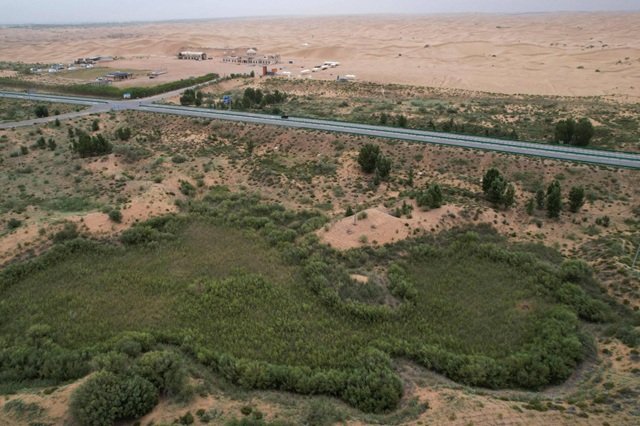
The scale of the challenge is considerable. United Nations estimates show that up to 40% of the world’s land is degraded, with consequences extending beyond ecosystems to food production, water availability and jobs. The deterioration of land therefore poses economic and social risks as well as environmental ones.
The situation is particularly severe in Mongolia, where nearly 77% of land is degraded. Overgrazing has exacerbated the problem, adding to increased desertification linked to climate change.
Countries have collectively pledged to restore 1.2 billion hectares under four different United Nations frameworks. The commitments involve different timelines, but most converge around 2030, according to the IUCN.
The current level of restoration suggests that countries face a significant challenge in meeting those commitments. With only 10.4% of the pledged area reported as rehabilitated, the pace of progress will need to increase substantially if the targets are to be achieved within the timelines set under the various international frameworks.
The issue is not confined to environmental protection. The IUCN said investment in restoring degraded land could also generate economic benefits while addressing biodiversity loss. Restored land can play a role in supporting ecosystems and the resources on which communities and economies depend.
IUCN Director General Grethel Aguilar said restoration should be viewed not simply as an environmental obligation but as an investment with wider economic significance.
“Restoration isn’t just an environmental fix, it’s one of the smartest investments we can make,” Aguilar said.
The figures place renewed focus on the gap between global pledges and implementation as governments meet to address drought, desertification and land degradation. While more than 124 million hectares have been restored, the scale of the remaining commitment is far larger.
With most restoration targets converging around 2030, the assessment underscores the urgency facing countries seeking to reverse land degradation. The challenge is increasingly shaped by the combined effects of human activity and climate-related pressures, while the consequences extend from biodiversity and ecosystems to food, water and employment.