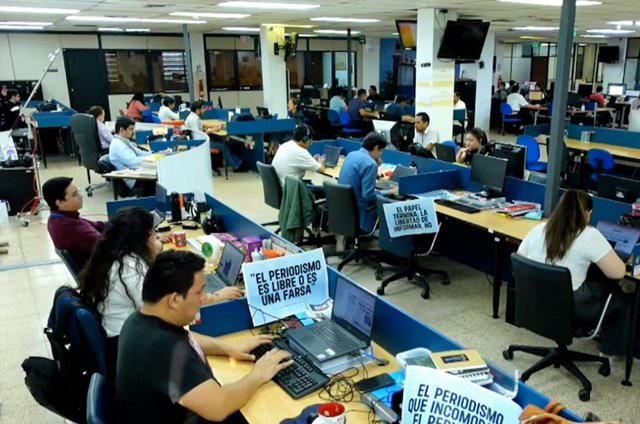
Ecuadorian newspaper Expreso has ended its print edition after 53 years, with its publisher blaming months of alleged government pressure for a financial crisis that has threatened the survival of the publication. The newspaper will continue digitally, but its future staffing levels and organisational structure remain uncertain.
Granasa, the company that publishes Expreso, says pressure involving tax authorities, administrative procedures and financial oversight intensified after the newspaper published investigations into economic interests surrounding Ecuador’s social security healthcare crisis. Its executive president, Galo Martínez Leisker, said the resulting loss of advertising and commercial printing business had made the print edition unsustainable.
The conflict escalated after Expreso published a series of reports in August 2025 titled Los dueños de la salud (The Owners of Health). The investigation examined business interests connected to hospitals and healthcare service providers as patients reported shortages of medicines and difficulties accessing treatment.
A month later, Granasa and its distributors received their first tax-related warnings. The newspaper alleged that reports from the Internal Revenue Service had reached other media organisations before the publisher itself and questioned errors in the documents. The dispute subsequently led the Prosecutor’s Office to open an investigation into alleged money laundering, an accusation Granasa has rejected.
In February 2026, the Superintendence of Companies intervened in Granasa at the request of Inmobiliar, a state-owned company attached to the presidency. Inmobiliar claims rights over a 2.56% stake in the publisher previously belonging to the Isaías group and seized by the state in 2008 under former president Rafael Correa.
The government justified the intervention by citing Inmobiliar’s rights as a shareholder to access financial information and supervise the company’s economic situation. Martínez disputes the legality of that position. He said the appointed administrator costs Granasa $1,500 a month and must be pursued to sign six cheques each month.
The intervention coincided with a sharp decline in the newspaper’s commercial income. Granasa says it lost nearly 70% of its advertising during the dispute, while customers also withdrew from its commercial printing business. Martínez alleged that some advertisers had been threatened with scrutiny by the Internal Revenue Service or the Financial and Economic Analysis Unit, known as UAFE, if they continued working with Expreso.
Columnist Martín Pallares told broadcaster Ecuavisa that the newspaper had received a message suggesting the pressure would stop if it removed three people: journalist Roberto Aguilar, lawyer Eduardo Carmigniani and Pallares himself. The newspaper’s management decided to retain all three.
Ecuador’s government had not responded to a request for information from EL PAÍS. Press freedom organisations Fundamedios and the Foundation Journalists Without Chains criticised the intervention, warning that administrative mechanisms could be used to pressure a publication with a critical editorial line. The Inter American Press Association also called for state harassment to cease. In its 2025 annual report, the Inter-American Commission on Human Rights’ Special Rapporteurship for Freedom of Expression warned of the recurring use of administrative, tax and legal proceedings against communicators in Ecuador.
Despite the financial difficulties, Expreso continued reporting on the Progen case, concerning the multimillion-dollar purchase of electricity generators during an energy emergency that brought daily power cuts of up to 14 hours. The governing bloc in the legislature blocked efforts to establish political responsibility among ministers involved in the process, while judicial investigations had not produced accountability that resolved the questions surrounding the case.
Expreso editor Alfonso Albán defended the newspaper’s approach, saying that criticism of the government did not make a publication an opposition party. “That is our job, to be critical,” he said.
Granasa is due to hold a general shareholders’ meeting on 13 October to determine the newsroom’s future. The company is seeking to sell properties to obtain cash to meet employment obligations for workers who may leave, pay suppliers and contribute to its employer pension fund. Martínez said buyers had been found for two plots of land, but the sales depended on approval from the appointed administrator.