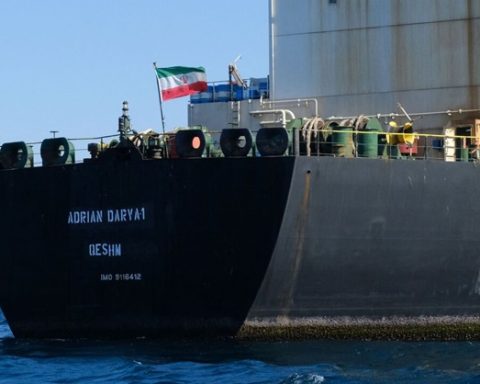
The European Union’s foreign policy chief, Kaja Kallas, has warned that ageing oil tankers used to transport Russian petroleum could cause a major environmental disaster along European coastlines, describing the vessels as “ecological time bombs”. Her warning came as she disclosed the first results of an expanded EU naval operation targeting Russia’s shadow fleet, including six inspections conducted in recent months.
Three months after the EU expanded its Operation Irini to include efforts against the Russian shadow fleet, Kallas said the inspections had been carried out in full compliance with international law. In an interview with RedaktionsNetzwerk Deutschland, she said the operations were imposing additional costs and delays on Russia.
“Each inspection costs Russia time and money,” Kallas said, while emphasising that direct interventions at sea were only one part of the EU’s approach.
“Boarding operations by special forces make headlines, but the greatest pressure comes from diplomatic measures,” she added.
According to Kallas, diplomatic engagement has persuaded African countries to remove hundreds of vessels from their shipping registers. Losing a registered flag can make a tanker more vulnerable to inspections and detention, while discouraging commercial partners from dealing with it.
“The loss of the flag makes a tanker more susceptible to inspections and detentions and leads authorities, insurers, banks and traders to hesitate to do business with it,” she said.
The EU’s approach therefore combines maritime inspections with measures intended to restrict the ability of vessels associated with Russia’s oil trade to operate through established shipping and financial networks. Kallas presented the diplomatic effort as a significant source of pressure, alongside the more visible operations conducted at sea.
Her warning also focused on the environmental risks posed by the vessels. She said Russia’s shadow fleet not only helps finance the war against Ukraine but also presents a growing danger because its tankers are frequently old, poorly maintained and inadequately insured.
“The probability is high that the next major oil disaster on our coasts will originate from the shadow fleet,” Kallas said.
The shadow fleet consists of ageing tankers that transport Russian crude oil or petroleum products derived from Russian crude. Russia uses the vessels to circumvent sanctions imposed on the country, allowing oil exports to continue and generating revenue that helps finance its war against Ukraine.
The fleet is estimated to account for about 17 per cent of all oil tankers worldwide, according to the source report. Its scale has made the vessels a central focus of efforts to restrict Russia’s oil trade and enforce sanctions.
Kallas’s comments highlight two principal concerns surrounding the fleet: its role in sustaining Russian oil revenues despite international restrictions, and the potential consequences of an accident involving tankers that may lack adequate maintenance and insurance. Her account of the EU operation indicates that the bloc is pursuing both direct inspections and diplomatic efforts to reduce the number of vessels able to operate under national flags.
The six inspections disclosed by Kallas were conducted under EU maritime operations in recent months, she said, with each carried out in accordance with international law.