The Irish government has reached a draft pay agreement with public sector trade unions offering average cumulative salary increases of 10.75% through early 2029, in a move intended to end industrial action following a breakdown in negotiations over public sector wages.
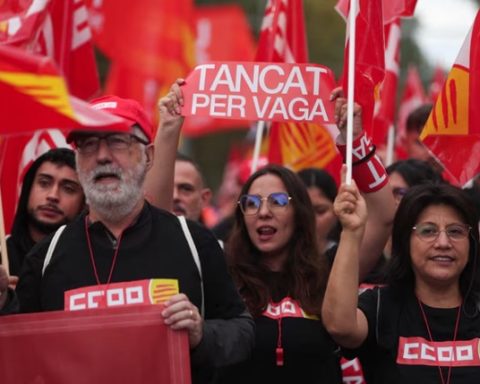
The agreement, announced on Wednesday, follows the expiry of the previous public sector pay deal in June and a nationwide strike last month, the first involving Irish public sector workers since the height of the financial crisis in 2009. A second planned strike, scheduled for Thursday, has been suspended pending the outcome of the new agreement.
The proposed deal will be backdated to July 2026 and run until the end of March 2029, with a total cost of €5.2 billion, according to a statement from the Department of Public Expenditure. The expenditure will be distributed across five government budgets.
The agreement places particular emphasis on improving the earnings of lower-paid public servants, who will receive increases of up to 18.3% over the period. The income threshold for eligibility under the lower-pay provisions will also be raised from €50,000 to €60,000.
Under the proposed arrangements, starting salaries for cleaners in the public sector would increase by 18.3%, while police officers would receive a 14.6% increase and primary school teachers a 13.1% rise, according to the government.
The proposed increases are cumulative and will be implemented over the duration of the agreement rather than paid as a single adjustment.
The deal also includes a provision allowing either the government or trade unions to trigger a review if assumptions concerning inflation or other economic parameters change significantly during the agreement’s lifetime. The mechanism is intended to allow the parties to reconsider the arrangements if economic conditions shift substantially.
The negotiations followed growing industrial unrest after the previous agreement expired in June without a replacement. The resulting deadlock led to last month’s widespread strike, disrupting public services and marking the first such industrial action since 2009.
The suspension of Thursday’s planned strike followed progress in negotiations, although the proposed agreement has not yet received final approval from workers.
Public sector trade unions and associations will now conduct ballots among their members to determine whether the draft settlement is accepted. Its implementation will depend on ratification by the respective union memberships.