British pharmaceutical giant AstraZeneca is under fire from human rights groups, political figures, and ethics experts for continuing to invest heavily in China despite the unexplained detention of one of its most senior former executives in the country.
As reported by The Times UK, critics accuse the Cambridge-based drugmaker of prioritizing “profits before people” while Leon Wang — its former head of international operations and president for China — remains in Chinese custody, eight months after his arrest in Shenzhen.
Wang, once a rising star in AstraZeneca who climbed from being a tour guide to a top executive, was placed on “extended leave” last year. Though rumours persist that he may have been granted medical leave by Chinese authorities, AstraZeneca is believed to have no confirmation and suspects his detention relates to investigations into the alleged import of unapproved medicines. Wang’s arrest coincided with a broader crackdown by Beijing, including the sentencing of around 100 pharma employees over medical insurance fraud.
In December, AstraZeneca appointed Iskra Reic as Wang’s replacement. Yet the company has said little publicly about his status. Speaking in February, CEO Sir Pascal Soriot stated: “We all think about Leon and miss him, and we wish him the best, but the reality is we are not able to talk to him. We are not allowed. That’s how the system works.”
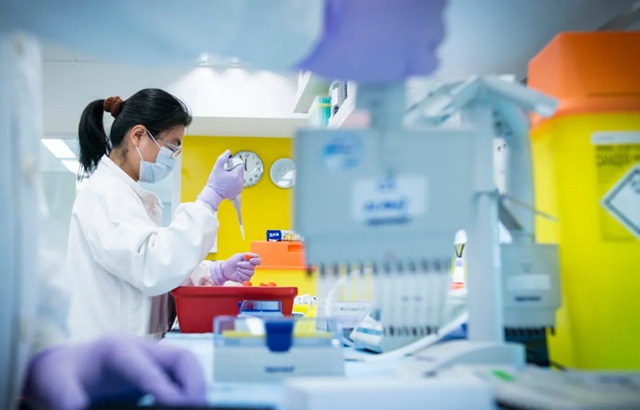
Despite Wang’s detention and the legal turbulence in China’s pharmaceutical sector, AstraZeneca announced a $2.5 billion investment in Beijing just a month later, including plans to establish a new strategic R&D centre — its sixth globally and a signal, critics argue, that the company is confident it will escape harsh penalties from the Chinese government.
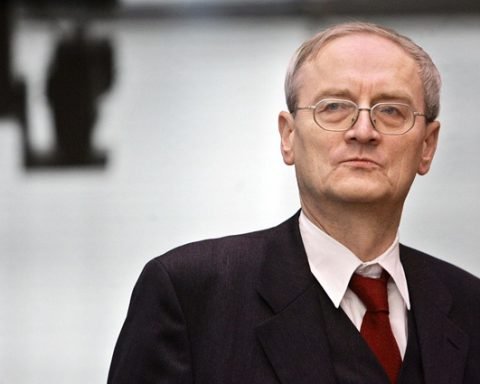
The decision has drawn harsh criticism. Former Conservative Party leader Sir Iain Duncan Smith, who is sanctioned by Beijing, condemned AstraZeneca for its “rapacious greed” and accused the company of entering “full project kowtow mode to China.” “Profits come before people in AstraZeneca. That’s clear. They’ve made no efforts to get him released, as I can see,” he told The Times UK.
Amnesty International UK echoed these concerns. CEO Sacha Deshmukh said Wang’s “prolonged incommunicado detention” raises “serious concerns” and casts a shadow over AstraZeneca’s ethical stance. “If a company’s senior executive can be taken into custody apparently without explanation, it highlights the severe risks to anyone operating under China’s system that disregards basic rights and legal norms,” Deshmukh said.
He added that the company’s expansion efforts raise “difficult ethical questions,” arguing that multinational corporations must uphold human rights not only in their supply chains but also in how they protect their employees abroad.
Others in the global business ethics community have voiced similar apprehensions. Alicia Hennig, an academic at Dresden University of Technology and a former business ethics professor in China, suggested that AstraZeneca’s commercial success in the Chinese market may have led it to “ignore the fact that the company operates in an undemocratic regime.”
Peter Humphrey, a former corporate investigator imprisoned in China during the 2014 GSK bribery scandal, also questioned AstraZeneca’s silence. “I have the impression that AstraZeneca is not doing much to help him [Wang],” he told The Times UK.
AstraZeneca, now the UK’s most valuable public company, was approached for comment by The Times UK but has not responded publicly to the criticisms.
As the pharmaceutical giant deepens its footprint in one of its most lucrative markets, the fate of Leon Wang — and the company’s handling of his detention — is raising uncomfortable questions about the ethical price of global expansion.