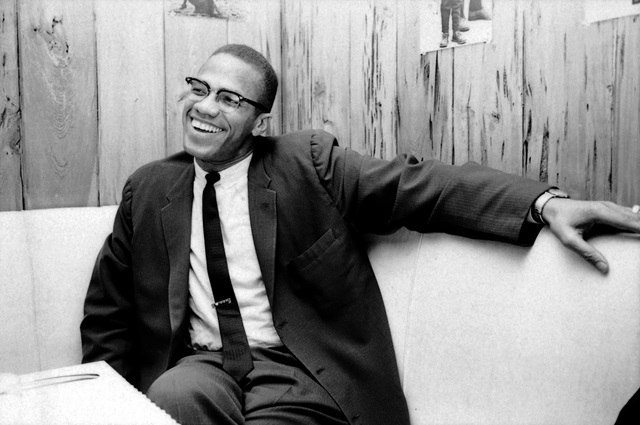
Civil rights attorney Ben Crump is calling on the Trump administration to declassify FBI and CIA files related to the assassination of Malcolm X. This plea comes as the nation marks the 60th anniversary of Malcolm X’s death and follows President Trump’s previous orders to release documents tied to the assassinations of President John F. Kennedy and Dr. Martin Luther King Jr., Axios reports.
The declassification of these documents could shed light on one of the most controversial and mysterious chapters in American history. Advocates believe these files could provide vital insights into the true circumstances surrounding Malcolm X’s assassination and the potential involvement of government agencies.
Crump, known for representing families of Black victims in high-profile police shootings, is expected to make his demand public on Friday at the former Audubon Ballroom in New York City—where Malcolm X, also known as el-Hajj Malik el-Shabazz, was fatally shot on February 21, 1965. Members of Malcolm X’s family will join Crump in this call for justice.
The White House has not yet responded to requests for comment.
Malcolm X, a towering figure in the civil rights movement, was assassinated at the age of 39 in front of his wife and daughters. He was shot 21 times by multiple assailants. While three men were later convicted of his murder, many scholars and activists have long believed those individuals were wrongfully convicted.
Suspicion has lingered over the possible involvement of the FBI and the New York Police Department. In 2021, Malcolm X’s family revealed a letter allegedly written by a now-deceased police officer that implicated both agencies in the assassination plot. In 2022, New York City agreed to a $26 million settlement for two men exonerated in connection with the killing.
Historians suggest that the files could reveal critical details about the tensions between Malcolm X and the Nation of Islam following his split from the group. There is also speculation that the CIA monitored Malcolm X during his travels abroad, including visits to Mecca and London.
In a 2000 interview on 60 Minutes, Nation of Islam leader Louis Farrakhan expressed regret that his past rhetoric may have contributed to the atmosphere leading to Malcolm X’s assassination—though he denied any direct involvement.
The FBI and CIA extensively surveilled Malcolm X, concerned that his influence could spark the rise of a unifying Black leader—or, as the FBI feared, a so-called “Black messiah.” Other civil rights leaders, including Martin Luther King Jr., were also under constant government scrutiny.
While President Trump’s earlier order to release files on Martin Luther King Jr.’s assassination was seen as a step toward transparency, King’s family expressed concern that the documents could revive attempts to tarnish his legacy. Axios sources noted that the King family had requested early access to the files—a request that was denied by the Trump administration.