


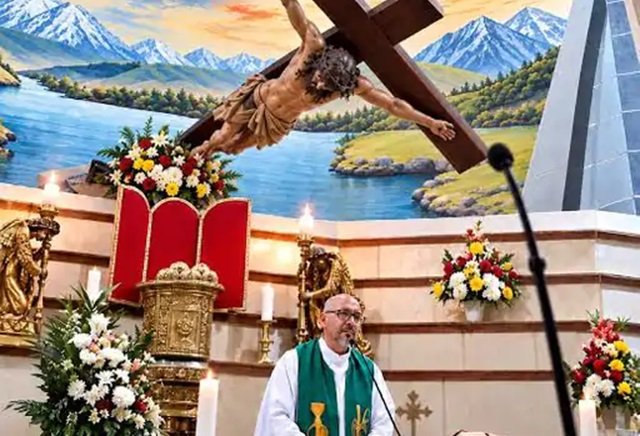
Ecuadorian Catholic priest Patricio Alfredo Sánchez Molinari was killed when a heavy crucifix and a statue of Jesus Christ fell from the wall behind the altar during a livestreamed Mass at the

Lionel Bopage was an Editorial Adviser of Sri Lanka Guardian from 2010-2019. He is a passionate and independent activist, who has advocated and struggled for social justice, a fair-go and equity of opportunity for the oppressed in the world, where absolute uniformism, consumerism and maximisation of profit have become the predominant social values of humanity. Lionel was formerly a General Secretary of the Janatha Vimukthi Peramuna (JVP – Peoples’ Liberation Front) in Sri Lanka, and he now lives in exile in Australia.
Ecuadorian Catholic priest Patricio Alfredo Sánchez Molinari was killed when a heavy crucifix and a statue of Jesus Christ fell from the wall behind the altar during a livestreamed Mass at the
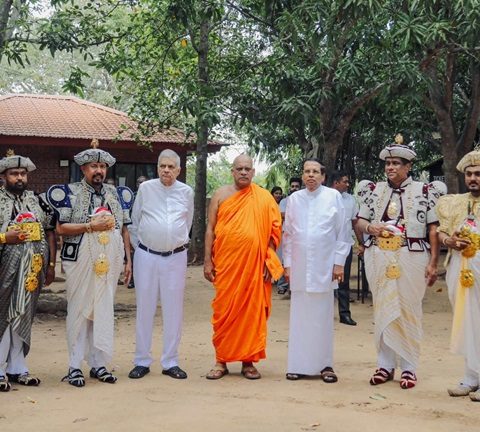
Former Sri Lankan president Maithripala Sirisena has acknowledged a procedural error in the granting of a presidential pardon to Galagoda Aththe Gnanasara Thero, saying the relevant documents were not submitted to the Ministry of Justice and Prisons for approval before
Former president Ranil Wickremesinghe has called for stronger cooperation among Theravada Buddhist nations, declaring Anuradhapura a sacred centre for Buddhists across Asia. Highlighting centuries
Brazilian President Luiz Inacio Lula da Silva and right-wing Senator Flavio Bolsonaro traded accusations of lying and corruption in their first presidential run-off debate
Candidates experienced in what? The former president, Mr Ranil Wickremesinghe has asked the voters to elect members with experience back to the parliament at the Nov 14 election. He alleges that those
More
Labour legislation (Continued) The public appears to be pleased with most of the measures the President and the interim Cabinet have taken in this regard. Yet there is much more to be
More
Repercussions The interim NPP government wants to make negotiated changes to the IMF conditionalities already agreed upon by the previous regime. If that is not feasible, the NPP will have to move
More
Introduction The victory of National People’s Power (Jathika Jana Balawegaya – NPP) at the recent presidential election in Sri Lanka has changed the political landscape of the country. It has given rise
More
Introduction Universal suffrage is crucial in shaping a nation’s political landscape. Decisions made at the ballot box lie at the core of democratic societies, guiding the policies that shape our lives and
More
Comrade Dr. Vickramabahu Karunaratne’s legacy deserves recognition through thoughtful analysis. In response to my recent article titled “41 Years to Black July – Our Voices Towards Meaningful Reconciliation,” I propose addressing a
More
In Sri Lanka, fear is pervasive. Suppression of media and fundamental rights of people and repression of human rights defenders foster a climate of fear, silencing victims, and inhibiting reconciliation. Political and
More
I was extremely sad to hear the news of Dr A T Ariyaratne’s passing at the ripe old age of 93. He was the founder and President Emeritus of the Sarvodaya Shramadana
More
It has been 53 years since the April 1971 uprising. Over time, many of the comrades who participated have aged, fallen ill, or passed away. Yet, the collective aspiration that drove them,
More
I will start with citing a brief speech I made as an associate of FabLanka Foundation in welcoming Professor Dr Siegfried Zuern to FabLab and Sri Lanka today. As an associate of
More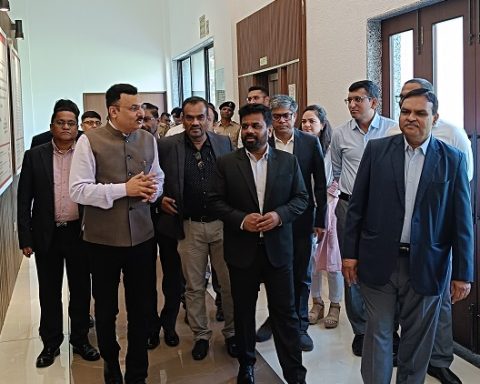
A National Peoples Power (NPP) delegation led by its leader comrade Anura Kumara Dissanayake was invited to India for talks with India’s External Affairs Minister Dr S. Jaishankar, the National Security Adviser
More Let me begin by acknowledging the traditional custodians of the land, the Wurundjeri People of the Kulin Nation, paying our deepest respects to their Elders past, present and emerging. I would like
More It has been 34 years since comrade Rohana Wijeweera was assassinated in November 1989. Following his death, the vacuum left by his absence prompted state terror squads, led by Janaka Perera, to
More
Link to Part 6 Reforms Whenever the class nature of the state is threatened, its first line of defense will be the police force. We have repeatedly witnessed this phenomenon in Sri
More
Link to Part 5 Global experiences International experience shows that devolution of power to the periphery has successfully curtailed demands for secession in a number of countries. Yet, many chauvinist political parties,
More