


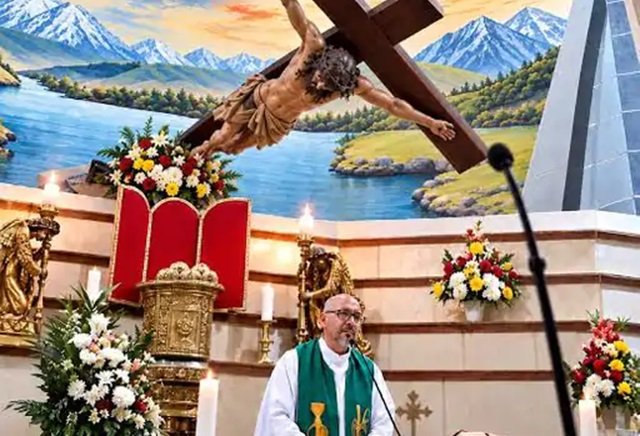
Ecuadorian Catholic priest Patricio Alfredo Sánchez Molinari was killed when a heavy crucifix and a statue of Jesus Christ fell from the wall behind the altar during a livestreamed Mass at the

Martina Moneke writes about art, fashion, culture, and politics. In 2022, she received the Los Angeles Press Club’s First Place Award for Election Editorials at the 65th Annual Southern California Journalism Awards. She is based in Los Angeles and New York.
Ecuadorian Catholic priest Patricio Alfredo Sánchez Molinari was killed when a heavy crucifix and a statue of Jesus Christ fell from the wall behind the altar during a livestreamed Mass at the
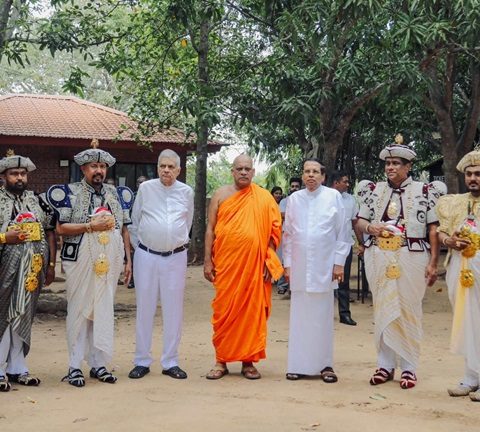
Former Sri Lankan president Maithripala Sirisena has acknowledged a procedural error in the granting of a presidential pardon to Galagoda Aththe Gnanasara Thero, saying the relevant documents were not submitted to the Ministry of Justice and Prisons for approval before
Former president Ranil Wickremesinghe has called for stronger cooperation among Theravada Buddhist nations, declaring Anuradhapura a sacred centre for Buddhists across Asia. Highlighting centuries
Brazilian President Luiz Inacio Lula da Silva and right-wing Senator Flavio Bolsonaro traded accusations of lying and corruption in their first presidential run-off debate
In this cultural and philosophical essay, Martina Moneke begins with The Economist’s reflection on AI-planned travel and follows its implications beyond tourism. She argues that personalized systems do more than help people
More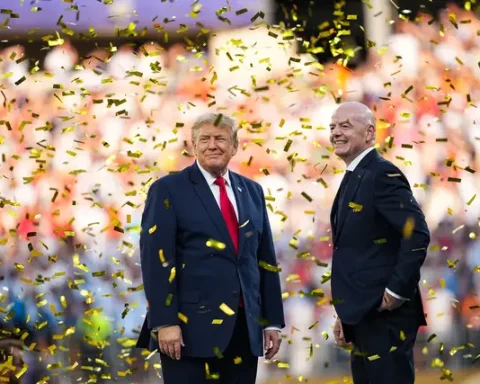
Summary: Why do billions of people care so deeply about games whose outcomes have no direct effect on their lives? Beginning with the tension of watching a World Cup Final, Martina Moneke argues
More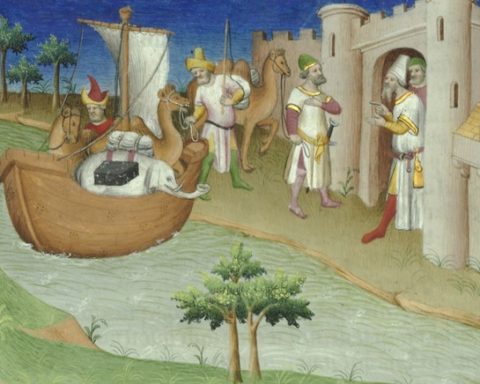
To speak of the Strait of Hormuz today is already to enter a language of reduction. In policy briefings and military analyses, it appears as a “chokepoint,” a narrow passage through which
More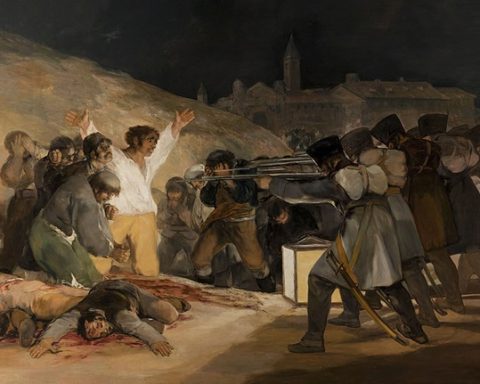
A word keeps appearing across political commentary and media critique, as if it might contain the problem: childish. It surfaces with remarkable consistency—leaders described as immature, as adolescent, as performing power rather
More
The idea of war carries a strange rhythm. For long stretches, it moves slowly, almost invisibly, as tensions accumulate beneath the surface of ordinary life. Then, at moments that appear sudden and
More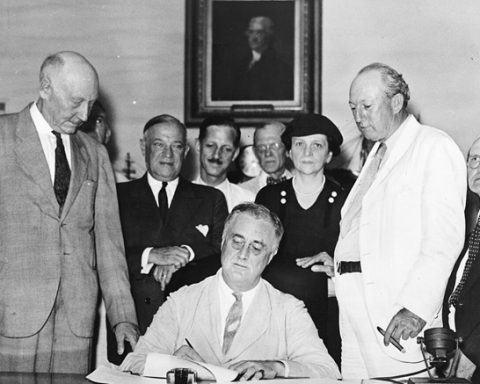
The current liberal surge feels real, a swell in public sentiment that suggests energy and possibility. Polling numbers rise, and political commentators point to renewed enthusiasm for Democrats, but beneath the surface,
More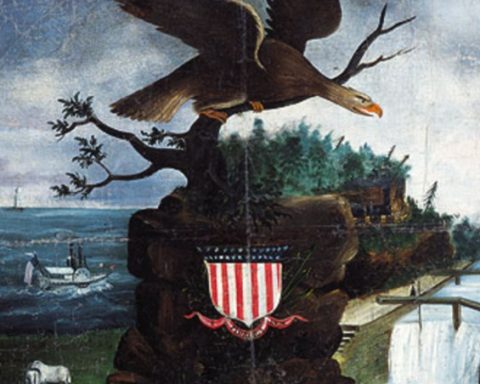
Summary: In this satirical and philosophical essay, Martina Moneke imagines “resurrecting” the 19th-century Whig Party as a model for today’s fractured American politics. She opens with a critique of the nation’s obsession with
More
May I never not be frisky,May I never not be risqué.May my ashes, when you have them, friend,and give them to the ocean,leap in the froth of the waves,still loving movement,still ready,
More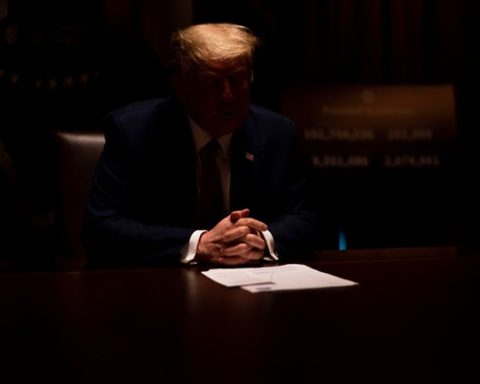
Summary: Martina Moneke examines Donald Trump as America’s auditor, a figure whose presidency functions less as conventional leadership and more as an erratic and often chaotic diagnostic probe into the nation’s democratic structures.
More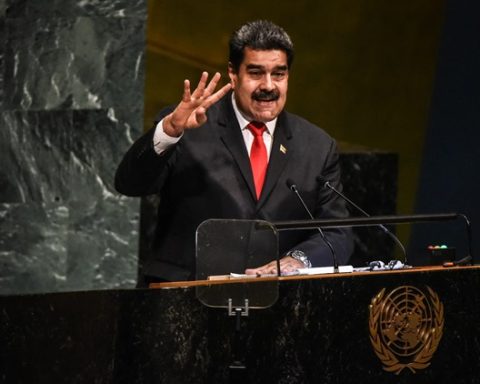
Summary: In this essay, Martina Moneke exposes how states wield claims of sovereignty and international law not as binding principles, but as tools to justify power. From Russia’s invasion of Ukraine to Kremlin
More
Summary: In this essay, Martina Moneke traces the ethical lineage of Christmas beyond Christianity, grounding it in pre-Christian solstice traditions and shared Abrahamic moral principles such as charity, hospitality, humility, and civic responsibility.
More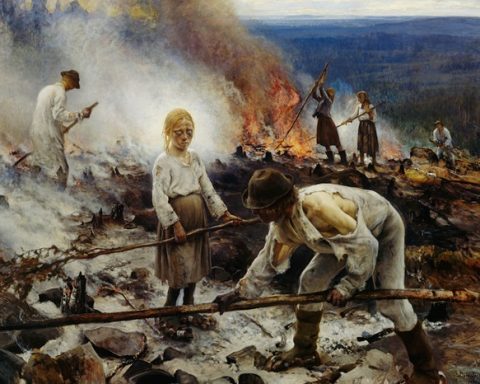
Summary: In this provocative essay, Martina Moneke argues that the scientific name Homo sapiens no longer reflects the reality of human behavior. Despite our intelligence, humanity has repeatedly demonstrated arrogance and ethical blindness—systematically misrepresenting
More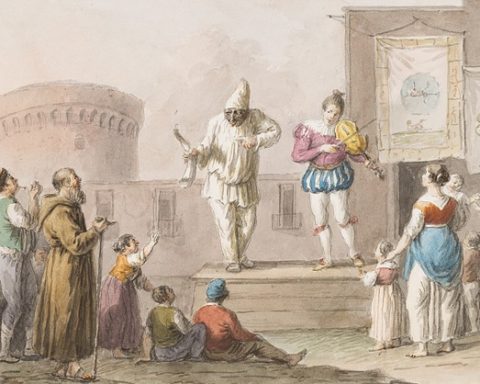
Summary: Comedy thrives on irreverence, vulnerability, and the refusal to accept a society’s official story at face value. As political and cultural pressures narrow the bounds of acceptable speech, comedians occupy a uniquely
More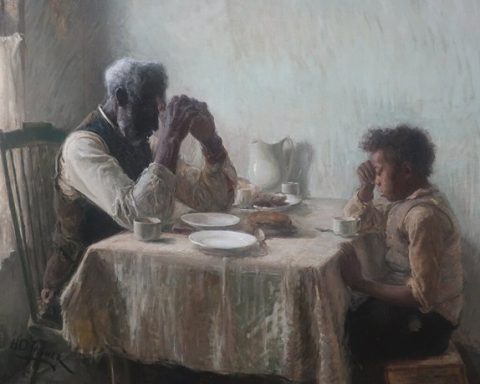
Summary: Gratitude is often hailed as a path to happiness—but its darker consequences are rarely discussed. Social pressures to express thanks can generate guilt, anxiety, and performative compliance while masking systemic injustices and
More
Summary: Martina Moneke examines how patriotism—once a unifying expression of national pride—has been politicized in the United States, particularly by the MAGA movement. Flags, anthems, and public celebrations increasingly signal ideological loyalty rather
More