


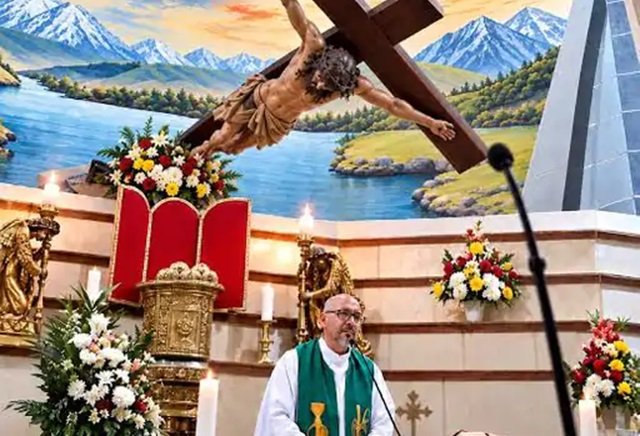
Ecuadorian Catholic priest Patricio Alfredo Sánchez Molinari was killed when a heavy crucifix and a statue of Jesus Christ fell from the wall behind the altar during a livestreamed Mass at the

Martina Moneke writes about art, fashion, culture, and politics. In 2022, she received the Los Angeles Press Club’s First Place Award for Election Editorials at the 65th Annual Southern California Journalism Awards. She is based in Los Angeles and New York.
Ecuadorian Catholic priest Patricio Alfredo Sánchez Molinari was killed when a heavy crucifix and a statue of Jesus Christ fell from the wall behind the altar during a livestreamed Mass at the

Former Sri Lankan president Maithripala Sirisena has acknowledged a procedural error in the granting of a presidential pardon to Galagoda Aththe Gnanasara Thero, saying the relevant documents were not submitted to the Ministry of Justice and Prisons for approval before
Former president Ranil Wickremesinghe has called for stronger cooperation among Theravada Buddhist nations, declaring Anuradhapura a sacred centre for Buddhists across Asia. Highlighting centuries
Brazilian President Luiz Inacio Lula da Silva and right-wing Senator Flavio Bolsonaro traded accusations of lying and corruption in their first presidential run-off debate

Summary: In “To Be a Safe Space: The Art of Emotional Self-Regulation and the Practice of Hosting Others,” Martina Moneke argues that true safe spaces are not external structures but embodied practices rooted
More
Summary: In “The Happiness Trap,” Martina Moneke challenges society’s obsession with happiness, showing how its pursuit often isolates, disappoints, and destabilizes the self. She contrasts fleeting, reactive happiness with steadier contentment, rooted
More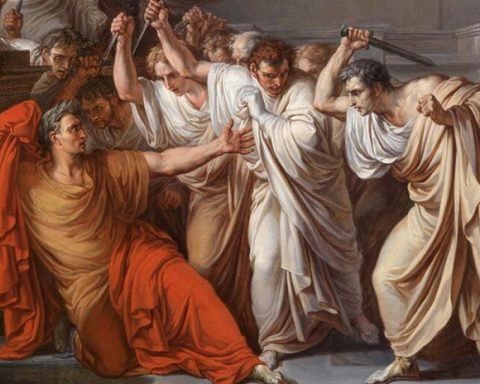
Summary: In this essay, Martina Moneke explores what America can learn from the decline of the Roman Republic. She examines how inequality, political factionalism, and unchecked ambition eroded civic trust and institutional stability
More
Martina Moneke explores a novel framework for civic resilience: the “fourth branch” of government, a decentralized network of moral and civic actors who protect the Republic when formal institutions fail. Lower courts,
More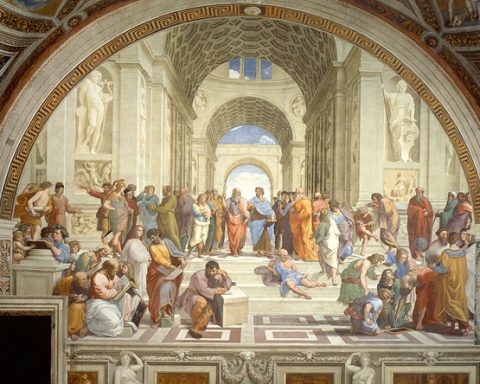
Summary: In the age of AI-assisted writing, traditional essays no longer guarantee genuine learning. Martina Moneke argues that students should engage in one-hour, one-on-one conversations with instructors about major course topics, ideally
More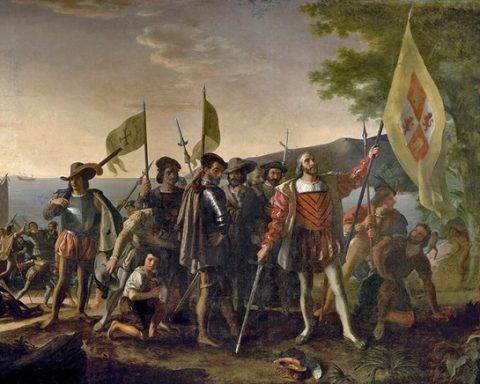
Summary: Widely used to describe global economic and political divides, the terms ‘Global North’ and ‘Global South’ are misleading. They are geographically inaccurate, oversimplify diverse nations, and echo colonial hierarchies. As Martina
More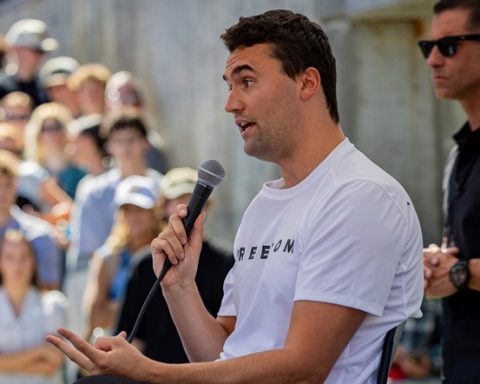
Summary: In the wake of Charlie Kirk’s assassination, America faces a crisis unlike any in its history—more precarious than the Civil War, World War II, Vietnam, the civil rights movement, or 9/11.
More
In the cultural psyche of 21st-century America, Donald J. Trump occupies a symbolic role that far surpasses his actual political achievements or capacities. For many liberals—particularly those embedded in the media, academia,
More