Documents expose UK’s close ties with Azerbaijan amid crackdown on dissent and Nagorno-Karabakh conflict
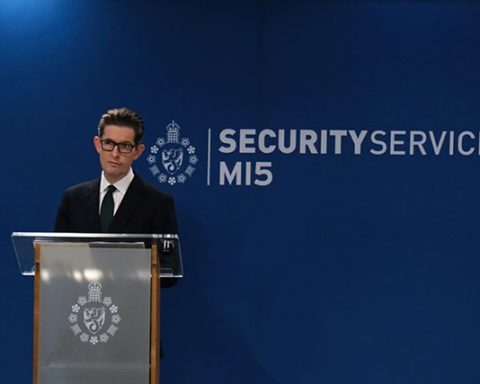
Newly declassified British government files have revealed that the UK’s Metropolitan Police delivered counter-terrorism training to officers in Azerbaijan’s Ministry of National Security—the successor to the Soviet-era KGB—shortly after a landmark oil deal was signed by BP and Azerbaijani authorities in 1994.
The training began in October 1994, just days after a BP-led consortium secured a major contract to develop Azerbaijan’s vast oil reserves, often referred to as “the deal of the century.” This support occurred despite a UK arms embargo against Azerbaijan and neighboring Armenia amid ongoing hostilities in the disputed Nagorno-Karabakh region.
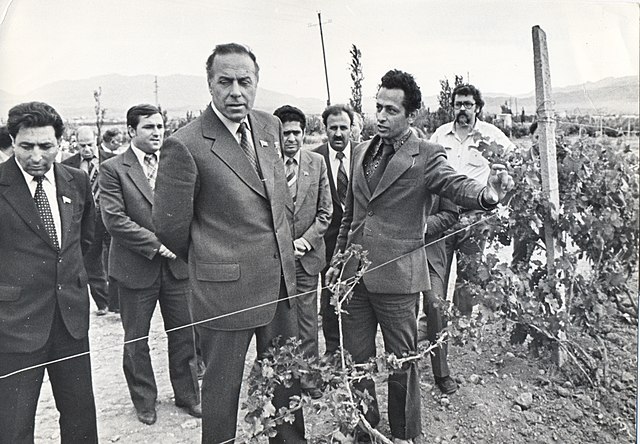
The files show that this cooperation took place less than a year after Azerbaijan’s former KGB chief, Heydar Aliyev, seized power in a coup, overthrowing the democratically elected president. Following Aliyev’s takeover, the country was placed under a state of emergency, with a crackdown on free speech that included raids on opposition newspapers and political groups, actions carried out by the very security forces benefiting from British training.
London’s Metropolitan Police declined to comment on the revelations.
Strategic Interests Tied to Oil and Diplomacy
The documents, released under the UK’s “30-year rule,” shed light on the deep interconnection between the British government, BP, and the Azerbaijani leadership during the negotiations and aftermath of the oil deal.
Declassified files describe coordinated visits between President Aliyev and British officials, including the then-energy minister Tim Eggar. BP exerted significant influence over Foreign Office activities, arranging diplomatic events and pushing the UK to back Azerbaijan’s position at the United Nations regarding the Nagorno-Karabakh conflict—an area where the UK officially maintained neutrality.
Despite official claims of impartiality, internal memos reveal British diplomats’ awareness that supporting Azerbaijan’s sovereignty claims over Nagorno-Karabakh was integral to securing the oil deal, even as the region remained controlled by Armenian forces allied with local populations.
Counter-Terrorism Training Amid Conflict
The files confirm that soon after the BP deal was signed, two Azerbaijani colonels from the Ministry of National Security attended UK-based courses in “bomb detection” and “counterterrorism,” training designed to combat threats mainly attributed to Armenian separatists seeking independence for Nagorno-Karabakh.
Further courses were offered but records do not confirm if these were undertaken. The training came at a time when the UK was officially neutral in the Nagorno-Karabakh war, raising questions about the true nature of Britain’s involvement.
Expert Reactions and Concerns
Armenian journalist Tatev Hovhannisyan criticized the UK’s stance:
“The files suggest Britain’s neutrality was, at best, inconsistent. Strategic and energy interests clearly took precedence over a balanced approach to the conflict, effectively supporting Azerbaijan’s position while turning a blind eye to repression and the rights of Nagorno-Karabakh’s Armenian population.”
James Marriott, co-author of The Oil Road, added:
“BP’s interests dominated British policy in the Caucasus. The British state was willing to train security forces implicated in repression to create a stable environment favorable to BP. This wasn’t about helping the general population but securing corporate gains.”
Marriott warned that the ongoing tensions and renewed hostilities in Nagorno-Karabakh may stem partly from these historical alignments, suggesting that Britain’s involvement was not merely historical but possibly a prelude to future geopolitical and commercial maneuvers.
Background: Oil and Geopolitical Chessboard
Following Azerbaijan’s independence from the Soviet Union in 1991, Western powers eyed its oil reserves and strategic position with keen interest. BP secured a dominant role early on, with direct intervention from British political figures, including former Prime Minister Margaret Thatcher.
The files also reference allegations—some denied by BP—of lavish spending on entertainment to curry favor with Azerbaijani officials during deal negotiations.
The disputed Nagorno-Karabakh region, inhabited predominantly by ethnic Armenians, remains a flashpoint decades after the USSR’s collapse. Its complex history and unresolved status have fueled cycles of violence, with the British government’s official neutrality challenged by the extent of its cooperation with Azerbaijani authorities.