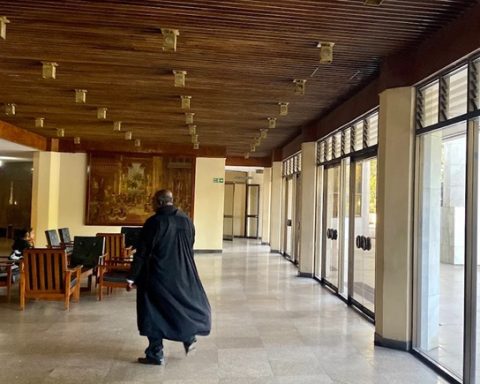
The centuries-old tradition of British barristers wearing tightly curled horsehair wigs in criminal courts is facing a subtle but significant shift. Updated guidelines issued by the Bar Council now allow barristers in England and Wales to forgo wigs if they can demonstrate that the headpieces are “uncomfortable or impractical,” marking a growing acknowledgment that not every hairstyle fits neatly under Georgian-era fashion.
The new criminal-court dress rules, updated in July but only recently gaining wide attention, specifically accommodate barristers with Afros, dreadlocks, or other culturally significant hairstyles. The exceptions do not require prior approval, and some lawyers have already begun appearing in court wigless. The traditional robes and white wing collars, however, remain mandatory.
Other groups, including pregnant women, barristers going through menopause, and those with physical disabilities, can also request exemptions, though these require advance written permission. Practical considerations, such as interference with bone-anchored hearing aids, were cited as reasons for the adjustments. The changes were prompted by a lawyer who highlighted the difficulty of fitting a traditional wig over his Afro.
Advocates hailed the revisions as a step toward inclusivity. Leslie Thomas, a veteran London barrister, described the previous rules as “culturally insensitive” and emphasized that courtroom dignity does not depend on horsehair or 17th-century fashion. While some lawyers call for the complete abolition of wigs and robes, the Bar Council plans to evaluate the impact of the new guidelines over a three-year trial period.
The updates are not Britain’s first break with tradition. Sikhs and Muslims have long been permitted to wear turbans or headscarves instead of wigs, and family courts abandoned formal attire in 2008. Yet criminal courts, long bastions of solemnity and formality, have been slower to adapt. Judicial wigs, dating back to King Charles II in the 17th century, are symbols of decorum and anonymity, giving lawyers a sense of authority and security.
Supporters of the wig tradition argue that the headpieces act as “great levelers,” making barristers appear uniform regardless of seniority. Former justice secretary Robert Buckland described them as a symbolic “helmet” for courtroom battles. Handmade from horsehair, wigs can cost upwards of $800 and take weeks to craft, a legacy of European fashion intended to signify social status and cover hair loss.
Despite the historical weight, many lawyers now view wigs as impractical and exclusionary. Samuel March, a 33-year-old barrister, wears a hemp wig for comfort and ethical reasons, while noting that traditional garb can deter women and racial minorities from pursuing the profession.
Ultimately, the decision to wear a wig rests with the judge, leaving the final word on courtroom attire in the hands of the bench. While the new guidelines signal a move toward modernization, the debate over balancing tradition, practicality, and inclusivity is far from settled.