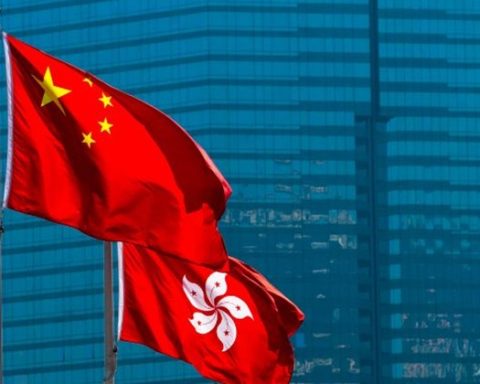
Despite years of international discussions and white papers on AI governance, there has been no globally agreed framework to manage the risks and benefits of AI. As reported in Nature, China is proposing the creation of the World Artificial Intelligence Cooperation Organization (WAICO) to address this leadership gap and facilitate global coordination. Experts say such a move could benefit all countries and encourage wider engagement in establishing safe AI practices.
AI models have remarkable capabilities that could advance science and boost economic growth. Yet their limitations and unpredictable behavior pose potential harms, including the spread of misinformation, exacerbation of inequality, and facilitation of criminal activity. Some researchers warn that superintelligent AI could even threaten humanity. Despite these risks, the United States currently has no national AI regulations, leaving companies to self-regulate in a highly competitive environment. The Future of Life Institute’s AI Safety Index, published in December, rated U.S. AI firms no higher than C+, underscoring gaps in corporate safety practices.
In the European Union, the AI Act introduced last year mandates stronger threat analyses for advanced AI systems, though implementation is still in early stages and enforcement remains uncertain. Meanwhile, China has pursued a dual strategy of widespread AI adoption alongside tighter regulatory oversight. Since 2022, Chinese authorities have implemented laws and technical standards requiring pre-deployment safety assessments for generative AI models and visible watermarks on AI-generated content to prevent fraud and misinformation. Regulatory activity accelerated in the first half of 2025, matching the pace of the previous three years combined, according to Concordia AI, a Beijing-based consultancy.
China’s approach balances political stability with economic growth, emphasizing accountability while promoting AI innovation. Researchers note that Chinese open-access AI models are increasingly integrated into global services, making understanding China’s regulatory standards important for international stakeholders. Experts suggest that a globally coordinated body like WAICO could draw lessons from the International Atomic Energy Agency’s nuclear oversight model, which relies on agreed limits and facility inspections to ensure compliance.
Nature emphasizes that effective AI governance requires multilateral engagement. Countries must collaborate to define safe practices and harness AI responsibly, rather than pursuing a competitive arms race. China’s initiative represents a significant step toward global coordination, and scientists and policymakers are urged to participate in shaping realistic and enforceable standards.