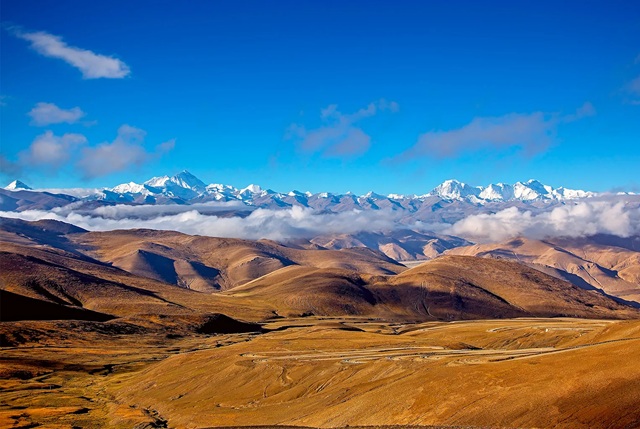
The world faces an urgent water crisis as climate change and geopolitical tensions threaten the stability of river systems that sustain hundreds of millions of people across South Asia. According to recent analyses highlighted in Nature, the rapid melting of glaciers on the Tibetan Plateau is reducing seasonal flows into major rivers, including the Indus, Ganges, and Brahmaputra, while monsoon patterns are becoming increasingly unpredictable. At the same time, geopolitical disputes are undermining longstanding water-sharing agreements: India suspended the 1960 Indus Waters Treaty with Pakistan in 2025, tensions are rising over Afghanistan’s proposed reservoir on the Kunar River, and the 1996 Ganges Water-sharing Treaty between India and Bangladesh is set to expire this December, affecting some 630 million people.
The experience of the Indus Waters Treaty, which survived wars, military operations, and a 13 percent loss of glacier mass between 2000 and 2021, demonstrates that resilient water agreements are possible. Its durability, as Nature reports, stems from three key features: the presence of a neutral mediator in the World Bank, a permanent technical commission of specialists from both India and Pakistan able to resolve disputes without political renegotiation, and a shared investment system initially funded with £320 million (around US$900 million in 1960). Experts argue that these principles could form the blueprint for modernized water treaties capable of responding to climate change and regional tensions.
One proposed reform is to convert treaty commissions from reactive adjudicating bodies into proactive, data-driven basin management authorities. By treating river networks as integrated ecosystems and using real-time satellite monitoring and predictive climate modeling, water managers could adjust allocations dynamically rather than relying on rigid, historical norms. Digital twin simulations, similar to those used for the Yangtze River basin, can forecast sediment loads, salinity, and seasonal water availability, enabling technical solutions to replace political disputes.
A second measure is the creation of permanent, cross-border data centers operated by international secretariats. These centers would enable adaptive management through shared climate-impact modeling and continuous hydrological monitoring. By grounding decisions in technical data, disputes over water allocations could be resolved before escalating into political crises. The Indus treaty’s Permanent Indus Commission already performs this function, demonstrating the value of technical expertise and collaboration across borders.
A third critical step involves establishing dedicated regional or global funds to finance climate-resilient water infrastructure. Existing mechanisms like the Green Climate Fund or the World Bank’s Global Facility for Disaster Reduction tend to prioritize national projects or disaster response rather than cross-border prevention. The annual financing gap for climate-resilient water systems exceeds $130 billion, yet models like the Global Fund for health initiatives suggest that basin-level matching grants for monitoring, infrastructure, and dispute resolution could be mobilized. Such investments could support early warning systems for glacial lake outburst floods, automated hydrological monitoring networks, climate-resilient reservoir rules, groundwater-surface water management, and cross-border sediment programs.
Climate change is accelerating the transformation of river systems, while geopolitical fragmentation is narrowing the window for cooperative solutions. Nature emphasizes that adapting treaties to these challenges is not merely technical but essential for human security. By modernizing institutions, relying on shared data, and securing multilateral investment, the international community can protect the water resources that underpin agriculture, energy, and livelihoods for millions.
The lesson of the Indus treaty is clear: resilience comes from robust institutions, neutral mediation, and investment in adaptive management. Applying these principles across climate-stressed regions could prevent disaster and ensure that rivers remain lifelines rather than points of conflict. With glaciers shrinking and tensions rising, the time to act is now.