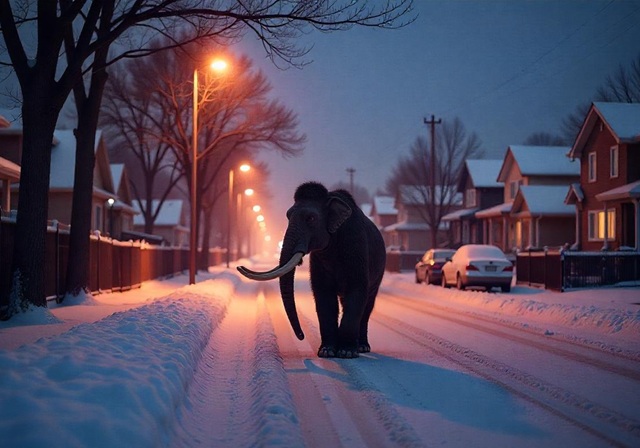
Colossal Biosciences, the Texas startup aiming to resurrect the woolly mammoth, is also seeking to own it—legally. As reported by MIT Technology Review, the company has filed a sweeping patent application that would grant it exclusive rights to create and sell genetically engineered elephants containing DNA from extinct mammoths.
Dubbed “the de-extinction company,” Colossal plans to edit elephant genomes to resemble their Ice Age cousins and release them in Siberian preserves, claiming their trampling could help preserve permafrost and combat climate change. CEO Ben Lamm said in a statement that such patents would offer “control over how these technologies are implemented,” especially during the animals’ reintroduction phase.
But the patent application goes beyond technical methods. It seeks ownership over mammoth-specific gene variants and even animals carrying those traits—essentially any creature with modified mammoth DNA. Legal experts told MIT Technology Review this could set a precedent for intellectual property over revived species, blurring the line between scientific innovation and ownership of nature itself.
Colossal has already made headlines with similar moves, including genetically modifying gray wolves with DNA from the extinct dire wolf, a feat the company touted as the first true case of de-extinction—despite widespread skepticism from scientists. It has also filed trademarks on mammoth-themed merchandise, like “Mammouse” and “Woolly Mouse,” even as it denies plans to sell plush toys.
While the U.S. patent system allows patents on engineered organisms, the idea of owning a species revived from extinction raises ethical and legal concerns. Organizations like Revive & Restore say de-extinct animals should be protected like any other wildlife, not commercialized. Still, Colossal’s push for intellectual property appears tied to its broader business strategy—including potential revenue from carbon credits and tourism.
As one investor put it to MIT Technology Review, the patent bid may simply be a calculated bet on the future. If mammoths—or at least their engineered stand-ins—become important players in climate mitigation or biotechnology, Colossal wants to make sure it owns the rights.