In a groundbreaking advancement toward de-extinction, scientists at Colossal Biosciences have successfully created genetically modified mice with mammoth-like features, marking a crucial step in their ambitious plan to bring back the woolly mammoth. This development was first reported by MIT Technology Review and represents a significant milestone in genetic engineering and conservation biology.
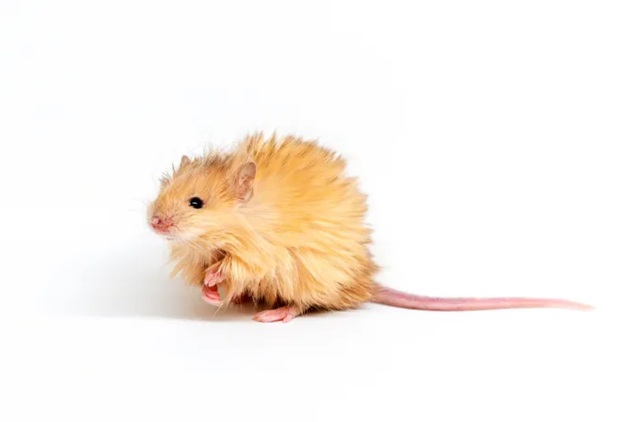
Dubbed “woolly mice,” these rodents exhibit fluffy coats and curly whiskers, attributes linked to the woolly mammoth. The modifications were achieved through a series of gene edits targeting traits associated with the extinct ice-age giants. According to Beth Shapiro, chief science officer at Colossal Biosciences, the achievement is a major breakthrough that demonstrates the team’s ability to produce healthy, genetically modified animals that exhibit desired physical traits.
“The Colossal woolly mouse marks a watershed moment in our de-extinction mission,” said Ben Lamm, cofounder of Colossal Biosciences. “This success brings us a step closer to our goal of bringing back the woolly mammoth.”
Colossal’s approach to de-extinction is not aimed at creating a perfect replica of the woolly mammoth but rather a mammoth-like elephant that can survive in Arctic conditions and contribute to ecosystem restoration. Scientists theorize that these animals could play a role in mitigating climate change by helping to maintain tundra ecosystems. However, some experts remain skeptical about the ecological impact of reintroducing such an animal, citing the unpredictability of how it would interact with its environment.
Before attempting to genetically modify elephants, the team opted to test their gene-editing techniques on mice, which have a much shorter gestation period than elephants. Shapiro explained that these trials allow researchers to refine their methods more efficiently before working with endangered Asian elephants, which share genetic similarities with woolly mammoths.
The team identified ten key genes that influence fur texture, coloration, and lipid metabolism—traits believed to have helped woolly mammoths thrive in cold climates. Using CRISPR and other genetic engineering techniques, the scientists edited mouse embryos and successfully bred 34 genetically modified offspring with varying degrees of mammoth-like characteristics. While all the mice appear healthy, researchers are now conducting further tests to determine if the gene edits provide physiological benefits beyond their appearance.
Colossal Biosciences has set a target of 2027 or 2028 to create a living woolly mammoth-like elephant, but experts suggest this timeline may be optimistic. The company is currently refining a list of 85 genes of interest for their future elephant genome-editing efforts. Given the 22-month gestation period of elephants, the first embryo transfer would need to happen within the next year to meet their ambitious deadline.
Despite the excitement surrounding de-extinction, concerns remain about the potential ecological and ethical implications. Some scientists warn that resurrecting a species that has been extinct for thousands of years could have unforeseen consequences, and others question whether such efforts might divert resources from protecting currently endangered species.
Beyond the woolly mammoth, Colossal is also working on reviving the dodo and the thylacine while using its biotechnology to support conservation efforts for species currently at risk of extinction. By studying DNA from museum specimens, researchers hope to reintroduce lost genetic diversity into dwindling populations, such as the pink pigeon and Hawaiian honeycreeper, which are struggling to survive due to disease and habitat loss.
Whether or not Colossal Biosciences successfully resurrects the woolly mammoth, their gene-editing work represents a significant leap forward in genetic conservation and biotechnology. As scientists continue to explore the possibilities of de-extinction, the world watches with anticipation—and caution—to see how these technological advancements will shape the future of wildlife preservation.