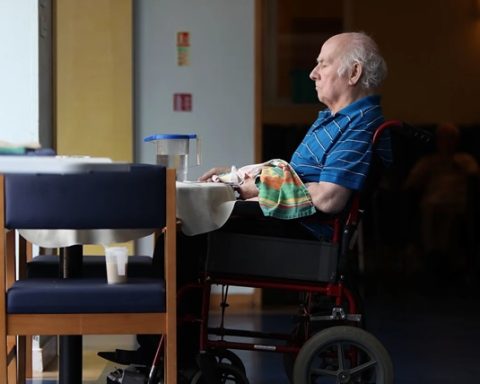
According to Die Zeit, Germany will lose its most significant residential treatment facility for young people with drug addiction as the Dietrich-Bonhoeffer-Klinik in Ahlhorn, Lower Saxony, is set to close at the end of June. Operator Leinerstift announced the decision after financial pressures, warning of a “structural system failure” leaving vulnerable adolescents without adequate care. The clinic, founded in 1984, is the country’s largest rehabilitation centre for children and teenagers aged twelve to twenty, offering long-term residential treatment and schooling. It provides around 60 of Germany’s 101 specialist rehabilitation places for under-18s, meaning closure removes more than half of national capacity. In just over two months, patients, doctors, therapists and educators will relocate, raising concerns about continuity of care and limited alternative placements. Local authorities and health experts warn that rebuilding equivalent capacity could take years, as training specialised staff and securing funding streams is complex and slow.
One of the clinic’s patients, nineteen-year-old Pascal, told Die Zeit his life has been shaped by early addiction, growing up with an alcoholic single mother and using cannabis at fourteen before progressing to cocaine, amphetamines and heroin in his mid-teens. Periods of homelessness followed, including stays in youth care homes and a hotel for rough sleepers. He now describes five months of sobriety inside the clinic, crediting therapeutic support for his progress. Pascal says he cannot imagine where he would be without the facility and believes he might not have survived. He also speaks about internal cravings that have become more manageable, though uncertainty about closure leaves him anxious about relapse and housing.
The broader context is a growing youth drug crisis in Germany. According to data cited by Die Zeit, around 69,000 adolescents aged between twelve and seventeen had already experimented with illegal substances other than alcohol or cannabis in 2024. Authorities have also recorded a sharp rise in drug-related deaths among young people under thirty, increasing by around 14 per cent to approximately 500 fatalities in the same year. The Federal Government’s drugs commissioner has warned that synthetic opioids are increasingly being ordered online, making access to dangerous substances easier and more visible. Clinicians argue that the loss of specialist rehabilitation beds will exacerbate these trends, particularly for teenagers with complex mental health conditions. Doctors at the clinic report treating patients with severe trauma, depression and psychotic symptoms, where withdrawal can involve extreme distress and self-harm risk. Experts also warn that losing specialist inpatient places may increase pressure on emergency psychiatric services, which are not designed for long-term rehabilitation, and could lead to more repeated crises among teenagers who fall through gaps between child and adult care systems.
Financial pressures drive the closure. The operator Leinerstift says it receives about 320 euros per patient per day from the pension insurance system, which it considers insufficient for the required multidisciplinary care. It argues a sustainable rate would be closer to 520 euros, given staffing and supervision needs. The organisation expects a deficit of 1.4 million euros this year, potentially rising to three million if operations continue. A reform of reimbursement due in 2027 may reduce funding further. Occupancy has averaged 56 per cent, partly due to relapse-related dropouts, though the clinic says this reflects addiction complexity rather than lack of demand. This structural mismatch between complex clinical needs and standardised payment models is central to the dispute between providers and insurers, with each side attributing responsibility differently across the sector in Germany today.