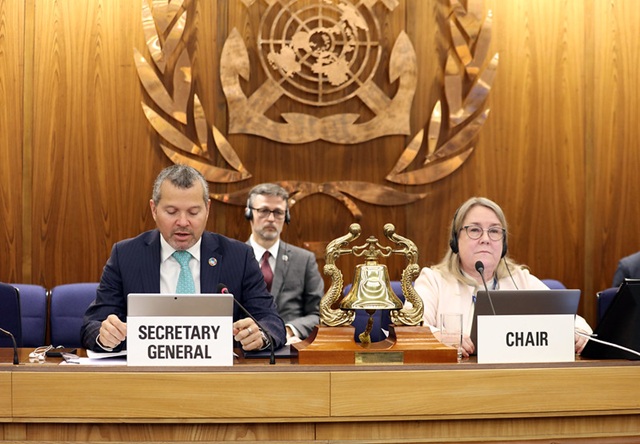
The International Maritime Organization (IMO) has taken a significant step in the fight against marine plastic pollution with the approval of a draft 2025 Action Plan to Address Marine Plastic Litter from Ships. This plan, developed by the IMO’s Sub-Committee on Pollution Prevention and Response (PPR), is now set to be reviewed for final approval at the Marine Environment Protection Committee (MEPC 83) session, scheduled for April 7-11, 2025. The revised plan builds upon the 2018 Action Plan, incorporating completed initiatives and setting new targets to be achieved by 2030.
The 2025 Action Plan aims to reduce the contribution of the shipping industry to marine plastic litter through improved regulations, better waste management systems, and enhanced public awareness. It outlines measures to minimize plastic waste from both fishing vessels and commercial ships, improve port reception facilities, and enhance international cooperation in tackling the issue. A key component of the updated strategy is the categorization of actions into short-, mid-, and long-term goals to ensure a phased and effective implementation.
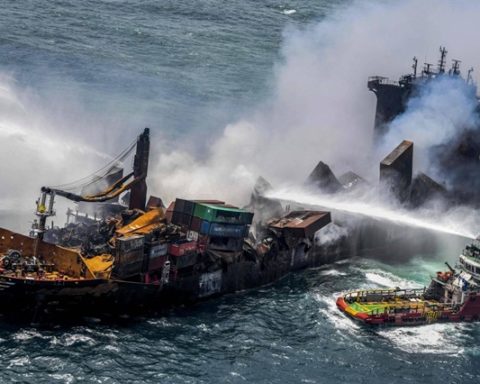
One of the most notable additions to the new plan is a dedicated measure addressing the environmental risks of plastic pellets transported in freight containers. These small plastic particles, widely used in manufacturing, have been identified as a growing pollution threat when spilled into the ocean. To inform future regulatory decisions, the Sub-Committee has developed a framework analyzing various legal approaches to preventing and mitigating pellet spills.
The IMO is also advancing efforts to tackle lost and discarded fishing gear, a major contributor to plastic pollution. During the session, the Sub-Committee endorsed the development of an IMO-hosted database that will allow for the reporting of abandoned or lost fishing gear. The system would collect data such as vessel details, the location and time of gear loss, and the type of fishing equipment involved. Member States and international organizations have been invited to provide further input on the specifics of this reporting framework.
In addition to addressing plastic pollution, the Sub-Committee also finalized guidance on in-water cleaning of biofouling, which occurs when marine organisms accumulate on a ship’s hull. This guidance is intended to prevent the spread of invasive aquatic species and aligns with the 2023 Biofouling Guidelines, ensuring that cleaning operations are conducted safely while minimizing environmental risks.
The session also focused on Black Carbon emissions in the Arctic, with discussions centered on defining “polar fuels” that could help mitigate environmental risks in these fragile ecosystems. The Sub-Committee invited Member States and international organizations to propose alternative fuel solutions designed to reduce the impact of emissions in Arctic waters.
Further regulatory developments were also discussed, including the revision of guidelines for Selective Catalytic Reduction (SCR) systems aimed at reducing nitrogen oxide (NOx) emissions, new regulations on exhaust gas cleaning system (EGCS) discharges, and interim guidance on the transport of biofuel blends under MARPOL Annex I. Additionally, the IMO is working on revising MARPOL Annex IV to enhance the performance of sewage treatment systems on ships, reinforcing efforts to improve overall water quality and sanitation standards at sea.
With the draft 2025 Action Plan now awaiting final approval at MEPC 83, the IMO continues to push for stricter environmental regulations in the maritime industry. If adopted, the plan will serve as a global framework to significantly reduce marine plastic pollution from shipping activities while reinforcing international cooperation on sustainability and environmental protection. These developments reflect the growing commitment within the shipping sector to minimize its ecological footprint and address the pressing challenges of marine pollution in the years ahead.