India is exploring the possibility of strengthening trade relations with China as a strategic counterbalance to impending tariffs from the United States, according to a report by the Indian Express. The move comes after US President Donald Trump imposed tariffs on all Indian exports, set to take effect on April 2.
Sources indicate that India is reassessing its trade and investment policies, with a focus on easing restrictions on Chinese imports and investments. These restrictions were initially put in place following the 2020 border clashes between the two countries, which resulted in casualties on both sides and heightened diplomatic tensions.
However, after multiple rounds of military and diplomatic discussions, New Delhi and Beijing reached an agreement in October last year to disengage from friction points along the border and work toward normalizing ties. This diplomatic progress has paved the way for renewed trade discussions, fueled by demands from Indian industries.
Key proposals under consideration include:
- Easing visa restrictions for Chinese nationals
- Reducing tariffs and non-tariff barriers on select imports
- Lifting bans on Chinese apps such as TikTok
- Resuming direct flights between India and China
- Reinstating visas for Chinese scholars
- Lifting restrictions on Chinese consignments at Indian ports
According to industry sources, India’s Finance Ministry has made a case for these trade relaxations, arguing that they align with the broader objective of maintaining economic stability amid shifting global trade policies.
“Since we’re already being forced to lower tariffs to accommodate the Trump administration, it makes sense to ease tariff and non-tariff barriers, particularly for inputs and products not manufactured at scale in India,” a government source was quoted as saying.
China has once again emerged as India’s top trading partner, surpassing the US in fiscal year 2023-24. Bilateral trade between India and China reached $118.40 billion in the fiscal year ending March 2024, according to data from the Global Trade Research Initiative.
The proposed trade relaxations reflect a growing sentiment within India that closer economic engagement with China could serve as a hedge against unpredictable US trade policies. The demand for removing trade barriers is particularly strong among small and medium enterprises (SMEs), which rely on Chinese imports for essential components.
Notably, Chinese fashion giant Shein re-entered the Indian market in February through a partnership with Reliance Industries, signaling a potential thaw in economic relations between the two nations.
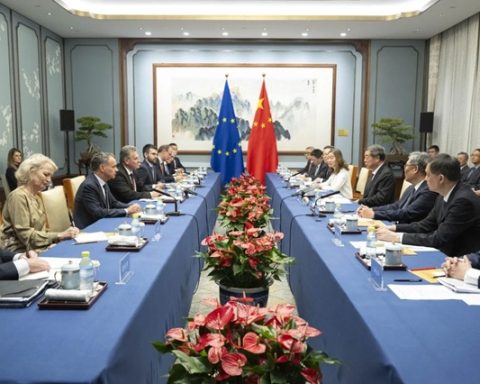
Chinese Foreign Minister Wang Yi has also urged both countries to rebuild trust and work toward implementing the de-escalation measures agreed upon last year. With economic ties gradually warming, the coming weeks could see further policy shifts aimed at facilitating trade and investment between Asia’s two largest economies.