Another round of anticipated U.S.–Iran nuclear talks in Islamabad was abruptly canceled over the weekend, underscoring the fragility of diplomatic efforts to end a widening confrontation between Washington and Tehran. The failure to proceed with negotiations reflects a deeper strategic stalemate in which both sides are attempting to extract concessions while avoiding a full return to open conflict. According to analysis consistent with reporting from The Soufan Center, the breakdown highlights competing assumptions about economic pressure, military escalation, and political endurance on both sides.
The canceled meeting was intended to continue discussions initiated during earlier wartime-level talks in April, which marked the highest diplomatic engagement between the two countries since the 1979 Islamic Revolution. Those initial discussions, involving senior political figures from both sides, had been viewed as a rare opening for progress on Iran’s nuclear program and U.S. sanctions relief. However, the subsequent downgrade in diplomatic representation and repeated cancellations have signaled a deterioration in momentum, even as officials insist that backchannel negotiations remain active.
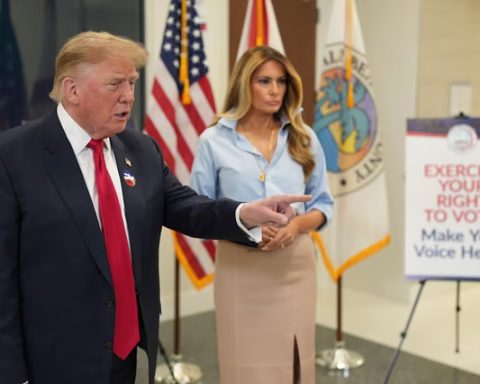
The most recent attempt was reportedly set to involve U.S. negotiators Jared Kushner and Steve Witkoff traveling to Islamabad to meet Iranian Foreign Minister Abbas Araghchi. The talks collapsed before departure after Tehran either withdrew or introduced new conditions. Iranian officials, meanwhile, denied initiating the meeting, reflecting internal political pressure from hardline factions that oppose any perception of concession. President Donald Trump later confirmed the cancellation, stating that U.S. officials would not travel for what he described as unproductive discussions.
At the center of the dispute is a widening economic confrontation. The United States has maintained a naval blockade targeting Iranian maritime access, particularly through key export routes. Washington’s strategy is based on the assumption that sustained pressure will force Tehran to accept strict limits on uranium enrichment and nuclear development. The Trump administration has argued that tightening restrictions on Iran’s oil exports will eventually compel political compromise, a position reinforced by continued sanctions enforcement and maritime interdictions.
Iran, however, has adopted a strategy of endurance, betting that it can withstand prolonged economic strain while maintaining internal cohesion. Iranian leaders have pointed to significant oil reserves already positioned in international waters, estimated at more than 160 million barrels, which they believe can sustain export revenues for months despite restrictions. This stockpile, largely located near Asian shipping routes, provides Tehran with a temporary financial buffer even as new exports are disrupted.
The dispute has also extended into control of maritime chokepoints. Iran has repeatedly asserted its willingness to challenge restrictions in the Strait of Hormuz, a critical global energy corridor, while the United States and its allies have rejected any Iranian claims to impose tolls or conditions on passage. Iranian forces have continued to interfere with commercial shipping in the region, heightening tensions and raising concerns about broader disruption to global energy markets.
Despite the escalating pressure, both sides appear reluctant to escalate into full-scale military conflict. The U.S. has maintained its blockade while avoiding direct combat operations, while Iran has limited its responses to targeted maritime actions and strategic signaling. Analysts note that this mutual caution reflects a shared interest in avoiding a broader regional war, even as diplomatic channels remain unstable.
The economic consequences of the standoff are already significant. Iran’s reliance on maritime trade through the Strait of Hormuz means that a large portion of its export revenue is vulnerable to disruption. U.S. naval enforcement has reportedly turned back multiple vessels linked to Iranian trade and seized several ships suspected of carrying oil and industrial goods. These actions have tightened pressure on Iran’s export economy, though officials in Tehran argue that the impact remains manageable in the short term.
At the same time, global energy markets are increasingly sensitive to the crisis. Rising oil prices and concerns over supply disruptions have added pressure on Washington to consider a negotiated settlement rather than prolonged confrontation. Iranian officials have attempted to leverage this dynamic, suggesting that global economic instability could eventually force the United States to moderate its demands.
Diplomatic positions remain far apart on the core issue of uranium enrichment. Iran continues to insist on its right to maintain a civilian nuclear program under international law, referencing the framework of the 2015 Joint Comprehensive Plan of Action, which allowed limited enrichment in exchange for sanctions relief. The United States, by contrast, has pushed for long-term or permanent restrictions on enrichment capabilities, arguing that Iran’s current trajectory poses unacceptable proliferation risks.
According to assessments aligned with The Soufan Center’s analysis, there is still theoretical space for compromise on technical aspects of the nuclear program, including the duration of enrichment limits and verification mechanisms. However, political distrust and competing domestic pressures on both governments have made agreement increasingly difficult.
Within Iran, economic hardship is becoming more visible. Energy shortages, inflationary pressures, and disruptions to trade have prompted warnings from civilian officials about the risk of broader instability. Some economic policymakers have reportedly urged leadership to consider restoring diplomatic channels and easing restrictions to prevent deeper crisis. However, hardline factions, many of whom hold significant influence over strategic decision-making, remain resistant to concessions and emphasize resilience in the face of external pressure.
This internal divide reflects a broader historical narrative within Iran’s leadership, particularly among figures associated with the Islamic Revolutionary Guard Corps, many of whom draw legitimacy from their experiences during the Iran–Iraq War. Their strategic outlook prioritizes endurance under sanctions and military pressure, reinforcing skepticism toward negotiated compromise perceived as externally imposed.
Despite these tensions, Iran has attempted to mitigate immediate economic damage through alternative trade mechanisms and offshore oil storage. Large volumes of crude oil already exported or stored on tankers continue to generate revenue through delayed deliveries, particularly to Asian markets. However, analysts warn that this buffer is temporary and may diminish if enforcement of maritime restrictions expands further.
The United States, meanwhile, continues to escalate financial pressure through sanctions targeting shipping networks, financial intermediaries, and associated trade infrastructure. Additional measures, including asset freezes and secondary sanctions on third-country entities, have further tightened Iran’s access to global markets. Yet despite this pressure, there is still no clear indication that Tehran is prepared to accept terms described by Washington as necessary for a comprehensive agreement.
As diplomatic efforts stall and economic pressure intensifies, both sides appear locked in a strategy of mutual coercion without clear exit pathways. The breakdown of talks in Islamabad reflects not only a procedural failure but also a deeper strategic impasse, in which each side believes time and pressure will eventually force the other to concede. For now, the prospect of renewed diplomacy remains uncertain, while the risk of escalation continues to shape one of the most consequential geopolitical confrontations of the moment.