The Israeli military has confirmed that about 70,000 Gazans have been killed since the start of the war on October 7, 2023, aligning for the first time with figures long reported by Hamas and Gaza’s health authorities. The acknowledgement marks Israel’s first official confirmation of a death toll in nearly 18 months and a significant shift from its earlier dismissal of the figures as unreliable.
The Israel Defence Forces said the estimate matched its own internal assessments but stressed that it had not yet completed an analysis of how many of those killed were civilians and how many were combatants. Officials said the number was expected to rise as assessments continue and as bodies are recovered from areas of intense destruction.
Until now, Israel had consistently challenged the figures released by the Hamas-run Gaza Health Ministry, describing them as propaganda. Despite this, the data have been widely used by international humanitarian agencies and cited by the United Nations and the World Health Organisation. Hamas said on Wednesday that 71,667 Palestinians had been killed and more than 171,000 injured since the start of the war.
The Gaza Health Ministry has provided identification details for more than 90 per cent of those reported killed but does not distinguish between civilians and fighters. Its figures also exclude people believed to have died from starvation or untreated disease during the conflict. Israel has repeatedly denied claims that starvation has caused civilian deaths, insisting no healthy person has died from lack of food.
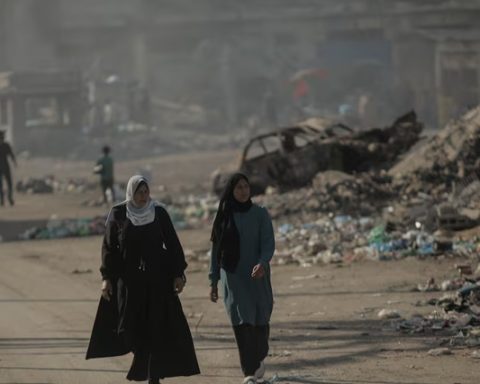
The overall toll continues to climb despite a US-led ceasefire agreed in October. Near-daily incidents have been reported around the so-called yellow line separating Hamas-controlled areas from Israeli-run territory. On Thursday, two Palestinians were killed in a drone strike on a refugee camp and a third was shot dead in southern Gaza. Israel said the individual shot posed an imminent threat to its troops. Hamas has claimed that 492 Palestinians have been killed since the ceasefire was announced, while many more bodies are believed to remain buried beneath rubble.
Israel last released casualty data in July 2024, when it said 14,000 militants had been killed or detained. However, the former IDF chief of staff Herzi Halevi said in September that more than 200,000 Palestinians had been killed or injured during the war. He told border communities near Gaza that more than 10 per cent of the enclave’s 2.2 million population had been killed or wounded, while insisting Israel had operated within the bounds of international humanitarian law.
Halevi also supported the findings of a classified intelligence document suggesting that five out of every six Palestinians killed were civilians. He said military operations had not been restrained by legal advice at any point during the conflict, a claim that has fuelled criticism from human rights groups.
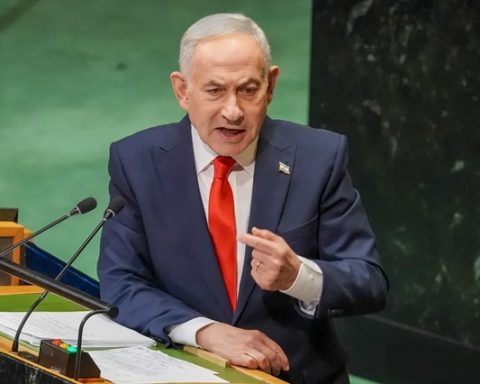
Several legal scholars and international organisations have accused Israel of committing genocide, alleging the use of starvation and mass civilian casualties as tools of war. The International Criminal Court has issued arrest warrants for Prime Minister Binyamin Netanyahu and other Israeli leaders, though Israel and its allies have questioned the legitimacy and timing of the move. An Israeli appeal to overturn the warrants was rejected last month.
Humanitarian efforts have continued under the ceasefire. The Red Cross said on Thursday it had facilitated the return of 15 Palestinian bodies to Gaza after Israel buried the remains of the last recovered Israeli hostage, police officer Ran Gvili. During the first phase of the ceasefire, 20 living Israeli hostages were freed in exchange for 1,808 Palestinians held in Israeli prisons, while later exchanges involved the transfer of dozens of deceased hostages and hundreds of Palestinian bodies.
International organisations have urged that the ceasefire move into a second phase, which is expected to establish technocratic governance under international oversight and an executive committee led by President Trump. A volunteer-based international stabilisation force is planned to monitor the ceasefire, while donors seek funding to rebuild Gaza’s devastated infrastructure.
As part of the next phase, Israel has said it will reopen the Rafah border crossing with Egypt, closed since May 2024. Rafah had been the primary exit point for Palestinians from Gaza, which has been under land and sea blockade since Hamas seized control in 2007. While no reopening date has been announced, many Gazans hope it will allow more aid to enter and enable thousands of wounded civilians to seek medical treatment abroad.
Israel said that once Rafah reopens, about 150 Gazans will be allowed to return each day, while a larger number will be permitted to leave. On Thursday, Israeli authorities criticised aid groups that described conditions in Gaza as dire, arguing that Israel had supplied more than four times the food required. Cogat, the Israeli military body overseeing civilian affairs in Palestinian territories, accused the United Nations of contradicting its own data for political and fundraising purposes.