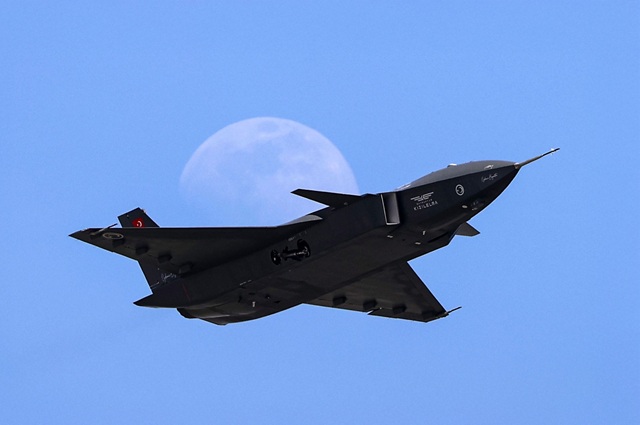
Italian defense giant Leonardo is on the verge of finalizing a production partnership with Turkish drone manufacturer Baykar, a move that could significantly enhance Europe’s drone production capabilities. The two companies are expected to sign a memorandum of understanding as early as next week, according to sources familiar with the discussions.
Baykar, co-owned by Selçuk Bayraktar, the son-in-law of Turkish President Recep Tayyip Erdoğan, is a global leader in AI-enabled drone manufacturing. The company’s flagship Bayraktar TB2 drone has been widely used by Turkish defense forces, with exports accounting for 90% of its revenue. In 2023 alone, Baykar generated $1.8 billion from sales to 35 countries.
The partnership could pave the way for the development of a high-tech drone designed to integrate with the sixth-generation Global Combat Air Programme (GCAP), an initiative led by Leonardo, Britain’s BAE Systems, and Japan’s JAIEC. In October, BAE and Mitsubishi showcased models of unmanned aerial vehicles that could complement the GCAP project, indicating the growing role of drones in modern warfare.
The potential joint venture also represents a strategic opportunity for Baykar to gain a stronger foothold in the European defense market. Last month, the Turkish company acquired the aerospace division of Italy’s Piaggio, a move seen as a means to bypass European import restrictions on Turkish defense products. Baykar has since announced plans to expand operations and employment at Piaggio’s Italian facilities.
According to a Financial Times report, discussions between Leonardo and Baykar intensified after the Piaggio deal was nearly finalized. Sources say Leonardo’s CEO, Roberto Cingolani, and the Bayraktar brothers have been in regular contact, exchanging visits over the past month. While Leonardo declined to comment, Baykar has not yet responded to requests for clarification.
This potential partnership underscores Europe’s increasing focus on bolstering its drone capabilities amid rising global security challenges. If successful, it could lead to the creation of advanced unmanned systems capable of shaping the future of aerial combat.